Skip to content
  • Home
  • About
    • Contact
    • Privacy Policy
    • Terms and Conditions
  • History
    • Origins of the Pennsylvania Dutch
    • Origins of Kutztown
    • Modern Kutztown History
  • Public Resources
    • Politics & Law
      • Kutztown Political Representatives
      • Kutztown Crime Visualizer
    • Public Transportation
      • Kutztown-Reading Trip Planner: BARTA Route 22
      • Kutztown/Trexlertown-Allentown-Easton Trip Planner: Blue Line
    • Public Finance
      • Kutztown Municipal Budget Visualizer
      • KASD Budget Visualizer
      • Kutztown Property Assessment Map
  • Wäga vum Sehne
  • Home
  • About
    • Contact
    • Privacy Policy
    • Terms and Conditions
  • History
    • Origins of the Pennsylvania Dutch
    • Origins of Kutztown
    • Modern Kutztown History
  • Public Resources
    • Politics & Law
      • Kutztown Political Representatives
      • Kutztown Crime Visualizer
    • Public Transportation
      • Kutztown-Reading Trip Planner: BARTA Route 22
      • Kutztown/Trexlertown-Allentown-Easton Trip Planner: Blue Line
    • Public Finance
      • Kutztown Municipal Budget Visualizer
      • KASD Budget Visualizer
      • Kutztown Property Assessment Map
  • Wäga vum Sehne
Facebook-f Instagram

Category: History of Kutztown and PA Dutch

Martin Luther: The Seeds of Reformation (c. 1505 – 1550s)
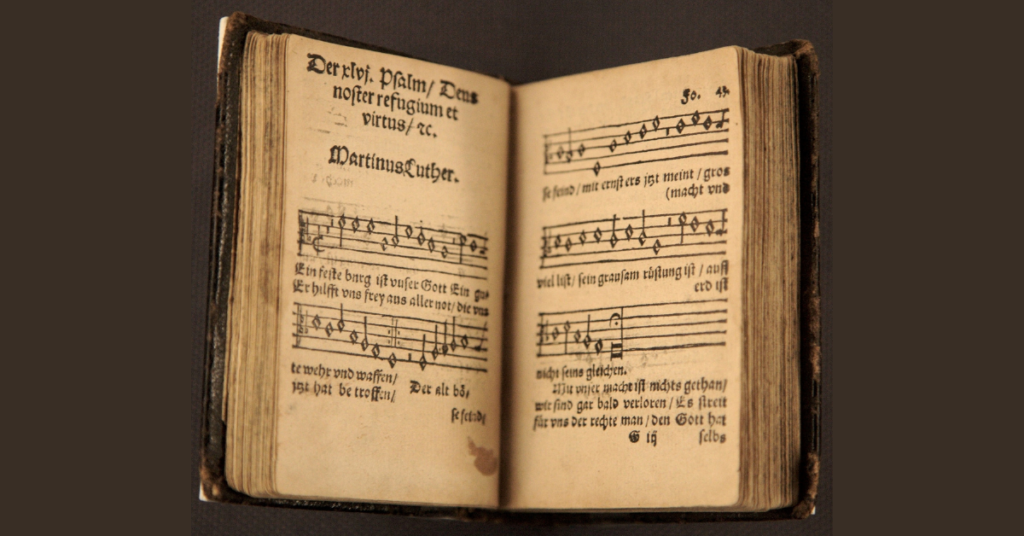
An early printing of Luther's hymn "Ein feste Burg ist unser Gott"

Martin Luther’s Reformation reshaped religion across the German lands. Learn how these changes shaped the roots of the PA Dutch.

The Wittelsbach Palatinate (c. 1214 – 1450 CE)
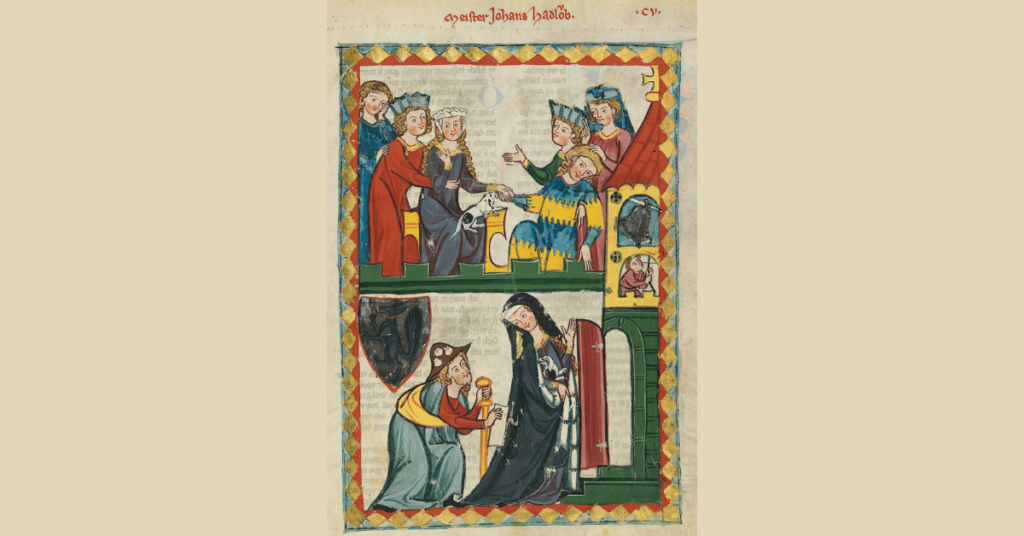
Codex Manesse, Folio 371r, Johannes Hadlaub, 1304

Wittelsbach rule made the Palatinate a powerful electorate at the heart of the empire. Learn how this era shaped the roots of the PA Dutch.

From Hohenstaufen to Wittelsbach: Dynasties of the Palatinate (c. 1125 – 1214 CE)
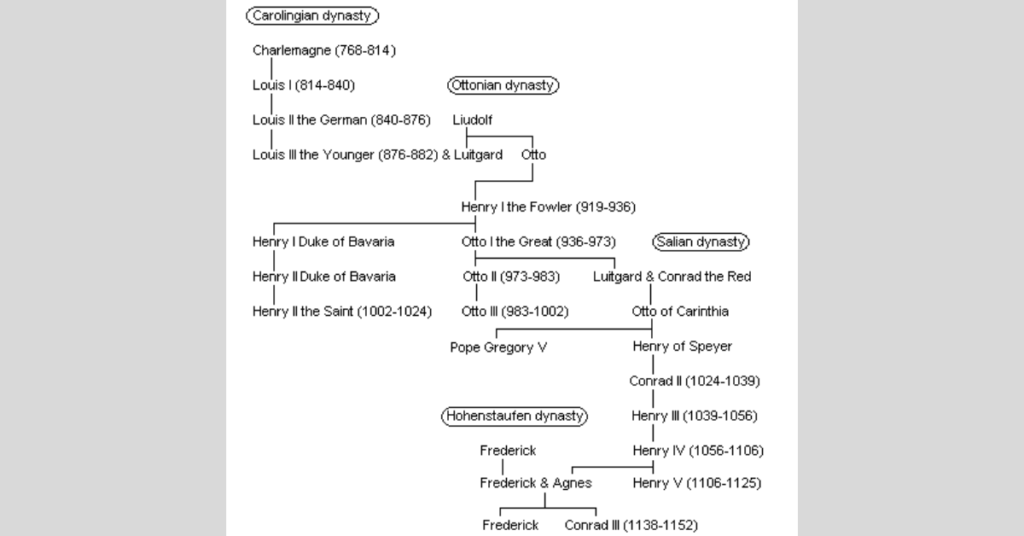
The family tree of the early imperial dynasties of the Holy Roman Empire: Carolingians, Ottonians, Salians and Hohenstaufen

Rival dynasties turned the Palatinate into a powerful hereditary state in the empire. Learn how this shift shaped the roots of the PA Dutch.

From Otto to the Salians (c. 962 – 1214 CE)
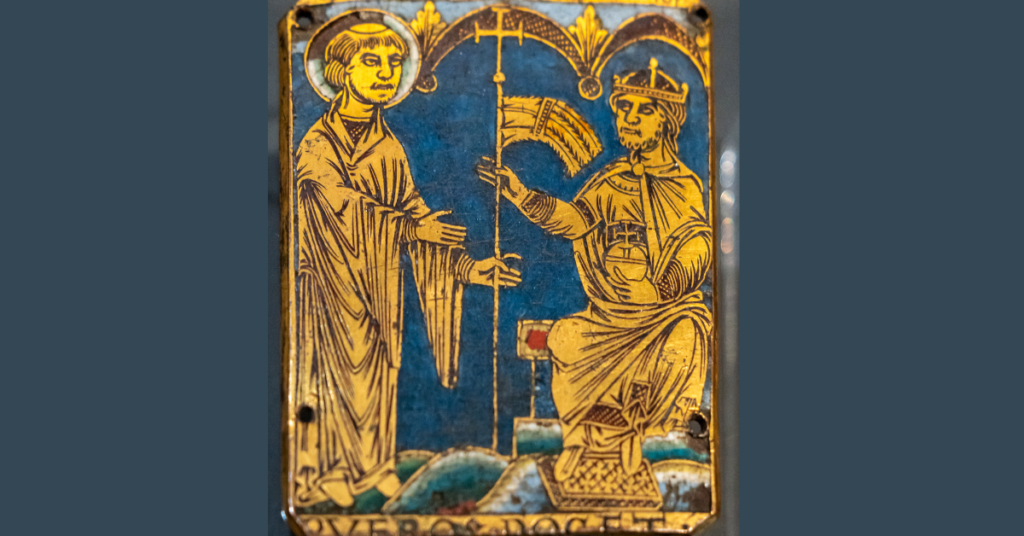
Enamel panel from Cologne figuring the investiture of a bishop (c. 1160–70), Museum für Kunst und Gewerbe Hamburg, Germany

Holy Roman rule along the Rhine shaped the Palatinate’s identity and regional power. Learn how this formed the roots of the PA Dutch.

East Francia and the Rise of The Holy Roman Empire (c. 900 CE – 962 CE)
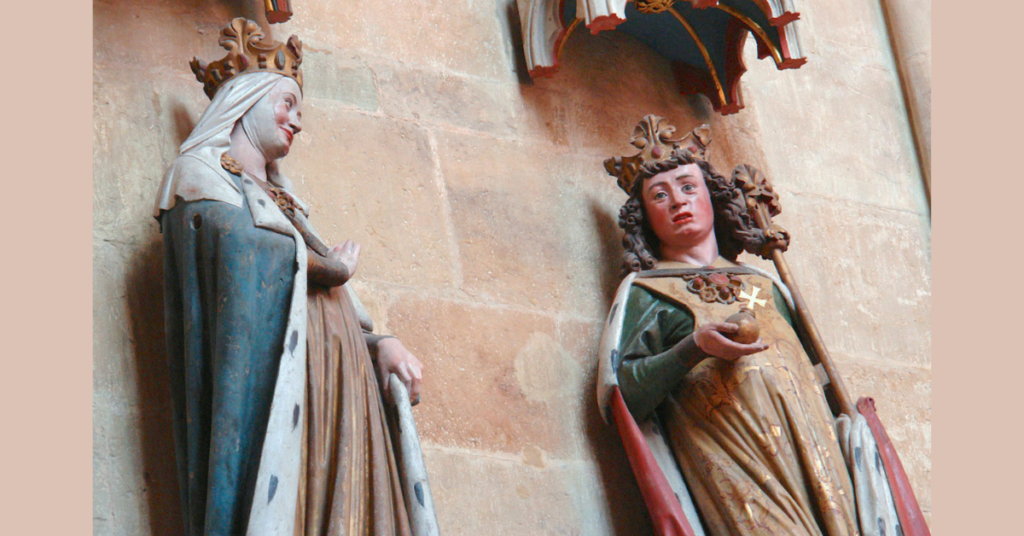
Empress Adelaide and King Otto I

East Francia and the Holy Roman Empire anchored the Palatinate in a German political world. Learn how this shaped the roots of the PA Dutch.

The Fall of Middle Francia (c. 843 CE – 950 CE)
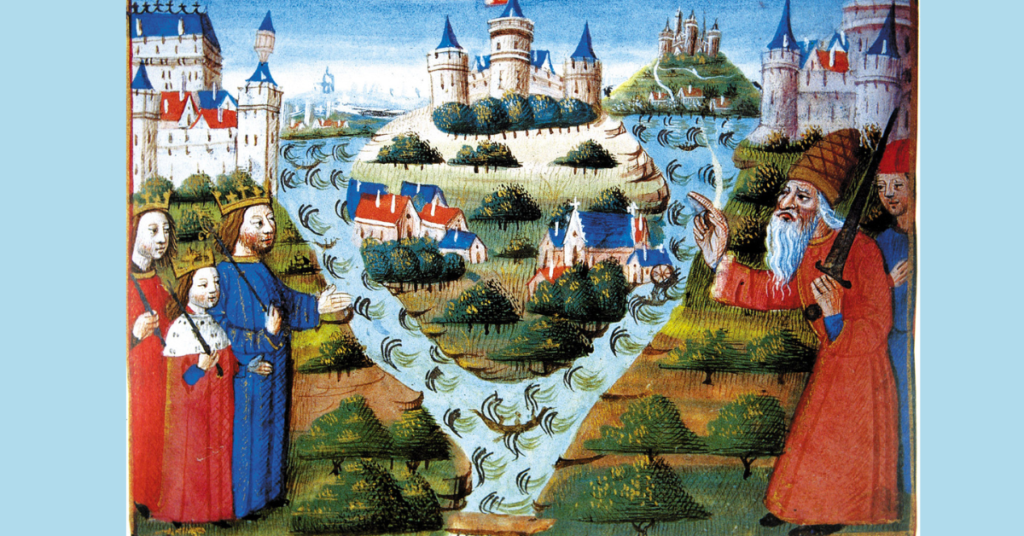
Louis the Pious (right) blessing the division of the Carolingian Empire in 843 into West Francia, Lotharingia, and East Francia; from the Chroniques des rois de France, fifteenth century

The fall of Middle Francia tied the Palatinate to East Francia’s German sphere. Learn how this shaped the roots of the Pennsylvania Dutch.

Charlemagne’s Empire and the Division of Europe (c. 768 CE – 900 CE)
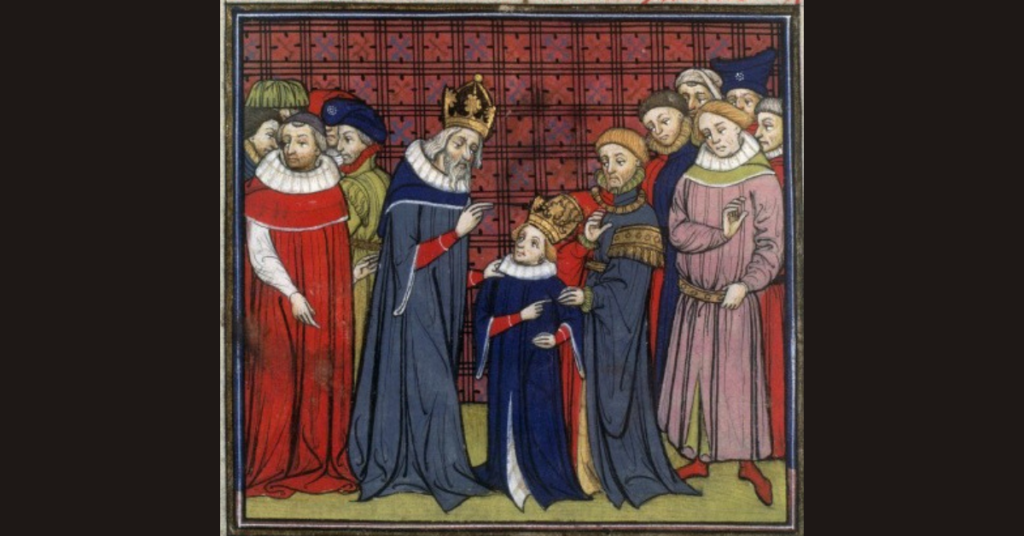
Charlemagne and his son, Louis the Pious (created 14-15th century)

Charlemagne’s empire placed the Rhine at the center of emerging French and German worlds. Learn how this shaped the roots of the PA Dutch.

From Clovis to Charlemagne (c. 500 CE – 800 CE)
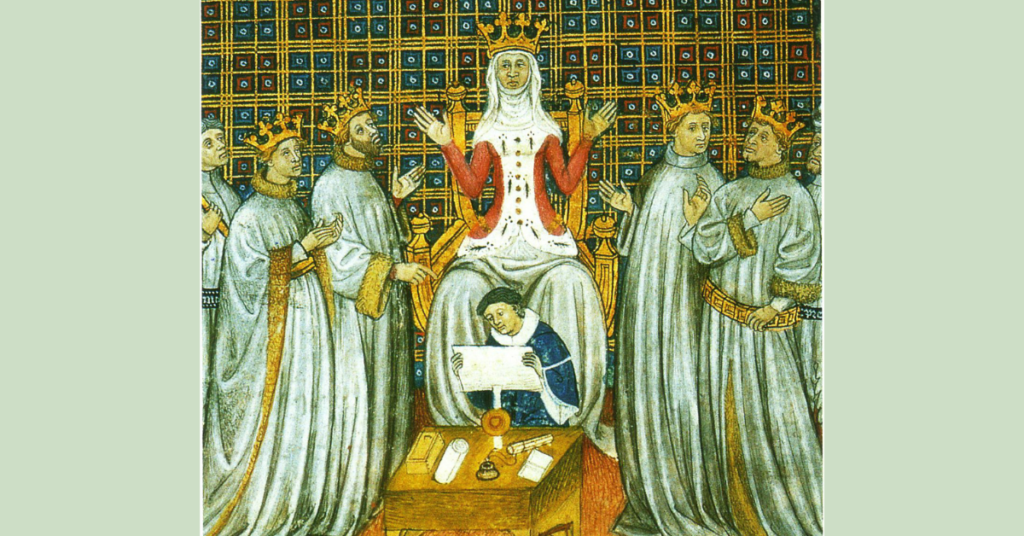
Clotilde dividing the kingdom among her sons

Frankish rule shaped the political and cultural roots of the Palatine Germans. Learn how this era laid the foundation for the PA Dutch.

Rise of the Franks and the Fall of Rome (c. 200 CE – 500 CE)
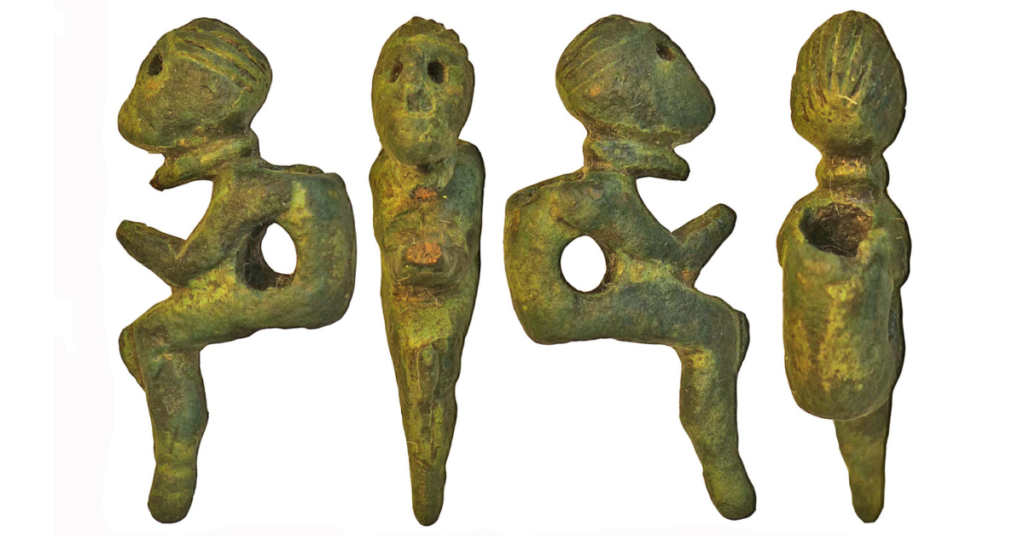
Roman figurine, 2nd or 3rd century

The fall of Rome and rise of Franks reshaped life for early Palatine Germans. Learn how this transition formed the roots of the PA Dutch.

The Roman Empire and Rhine Frontier (c. 55 BCE – 300 CE)
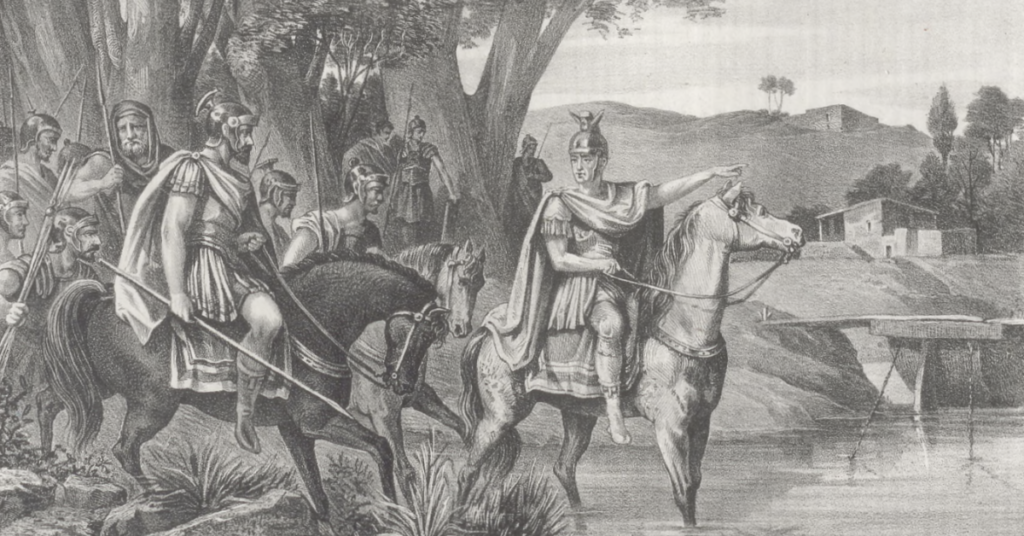
Julius Caesar crossing Sagre river, 49 BC

Roman rule along the Rhine shaped the frontier that defined early Palatine Germans. Learn how it helped form the roots of the PA Dutch.

← Previous
Next →

Join the Kutzeschteddel Newsletter