
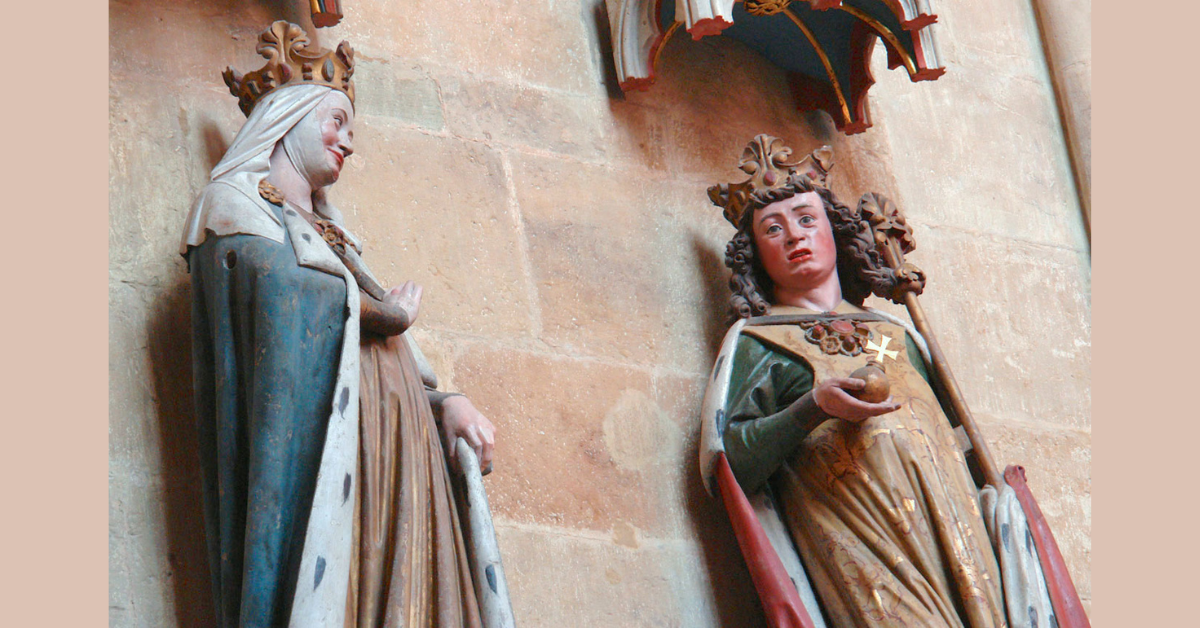
By the early 900s, the political landscape of Europe has shifted. The unified empire of Charlemagne is gone, and the unstable middle kingdom has collapsed. In its place, new regional powers begin to consolidate.
The Palatinate, now aligned with East Francia, becomes part of an emerging eastern kingdom that will lay the foundation for what we now think of as Germany.
The Formation of East Francia
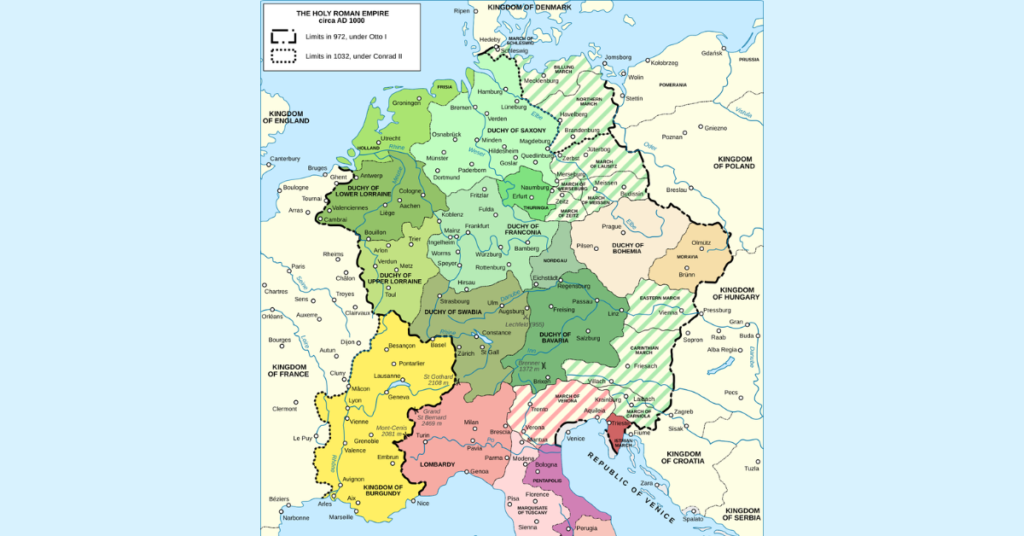

East Francia develops out of the eastern portion of the Carolingian Empire. Unlike the fragmented middle kingdom, it begins to take on a more stable structure.
Rather than being ruled as a single unified state, it is made up of powerful regional territories, often referred to as “stem duchies,” including:
- Saxony
- Bavaria
- Franconia
- Swabia
These regions are semi-autonomous and ruled by local elites, bound together by shared political and cultural ties. This creates a new model of rule: a decentralized kingdom built on cooperation between regional powers
The Decline of Carolingian Rule
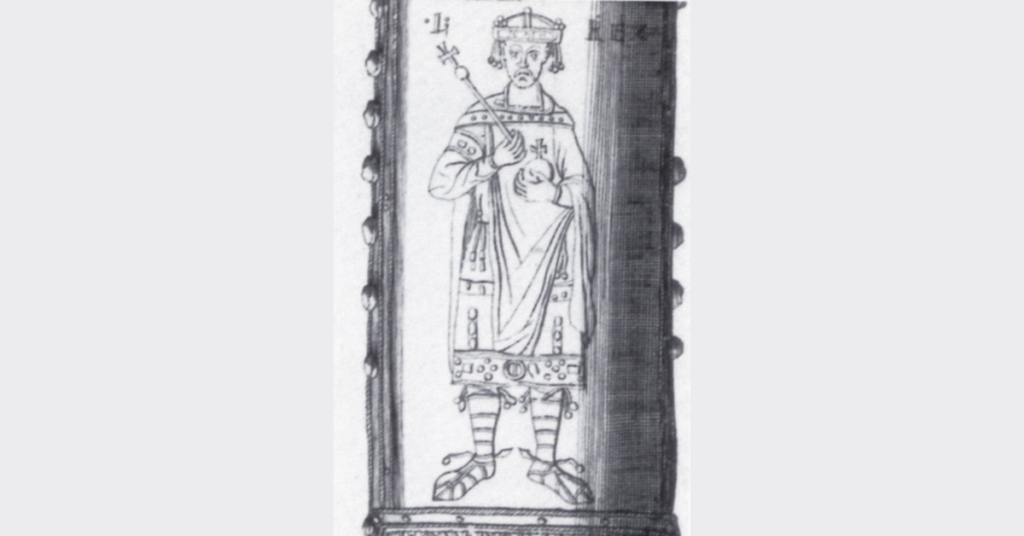

By the early 900s:
- The Carolingian dynasty weakens
- Local rulers gain more independence
- Central authority becomes less effective
In 911 CE, the last Carolingian king of East Francia dies without an heir. This marks another turning point: the eastern kingdom begins to define itself independently of the old Carolingian system.
In the absence of a strong dynasty, regional leaders begin to assert control. Kings are no longer simply inheriting power—they are:
- Chosen by leading nobles
- Dependent on alliances with powerful regional rulers
- Tasked with maintaining unity across a decentralized system
This sets the stage for a new kind of leadership—one that must balance authority with cooperation.
Henry the Fowler Becomes King
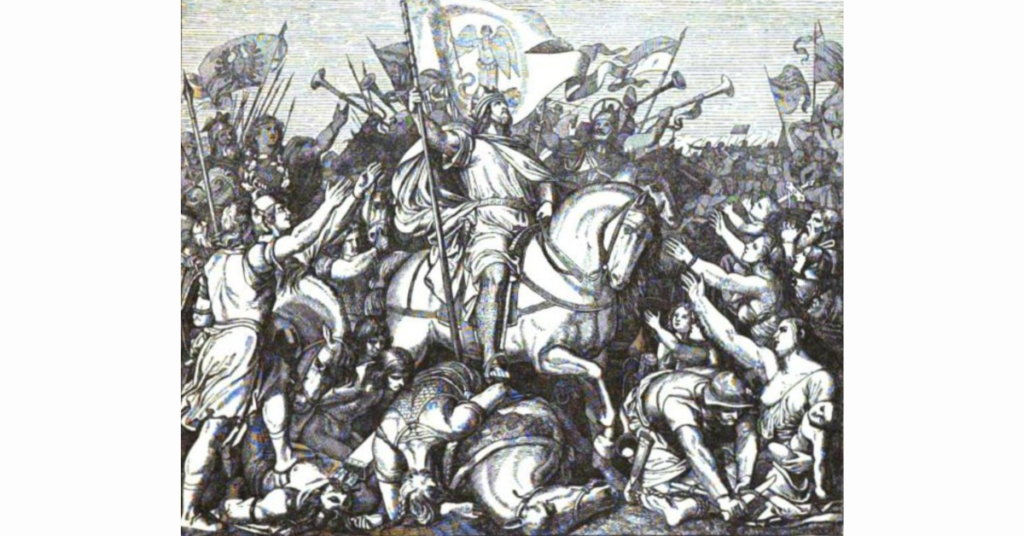

Out of this decentralized and uncertain system, a new ruling line begins to emerge. In 919 CE, a Saxon noble named Henry the Fowler is elected king by the leading nobles of East Francia. This is significant:
- He is not a Carolingian
- He is chosen, not simply born into power
- His authority depends on maintaining alliances with the major duchies
Henry stabilizes the kingdom by:
- Securing borders against external threats
- Building alliances with regional rulers
- Strengthening royal authority without fully overriding local power
The Rise of Otto I
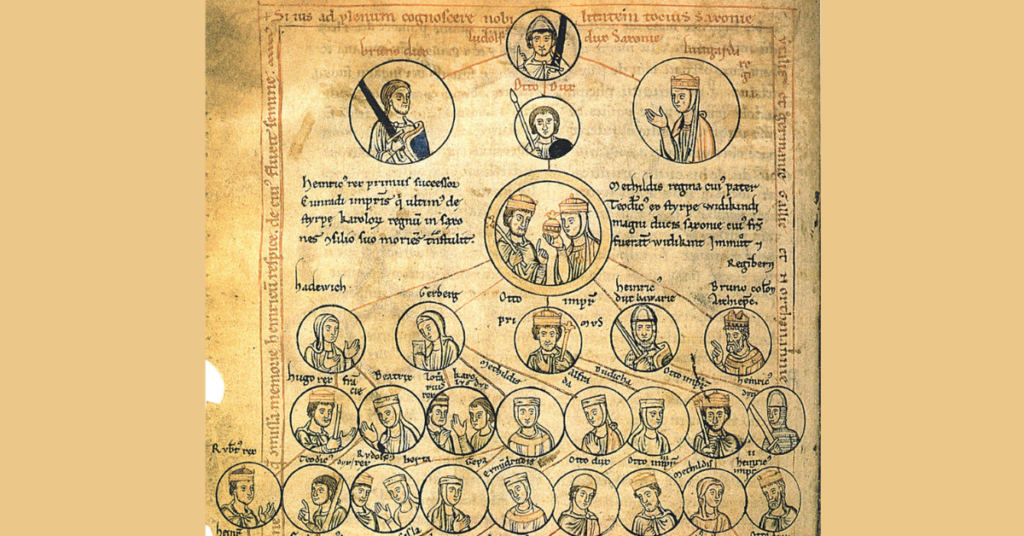

Henry’s son, Otto I, inherits the throne in 936 CE. From the beginning, Otto faces the same core challenge:
- Powerful regional dukes
- A decentralized political system
- The need to assert authority without breaking alliances
Otto strengthens his rule by defeating internal rebellions from rival dukes and placing loyal allies in positions of power. The Church becomes a key tool: bishops and abbots are appointed by the king. They do not pass power to heirs; they act as loyal administrators.
Otto also secures his rule through military success. A key moment comes in 955 CE at the Battle of Lechfeld, where he defeats invading forces from the east.
Emperor of a New Order (962 CE)
2.JPG)
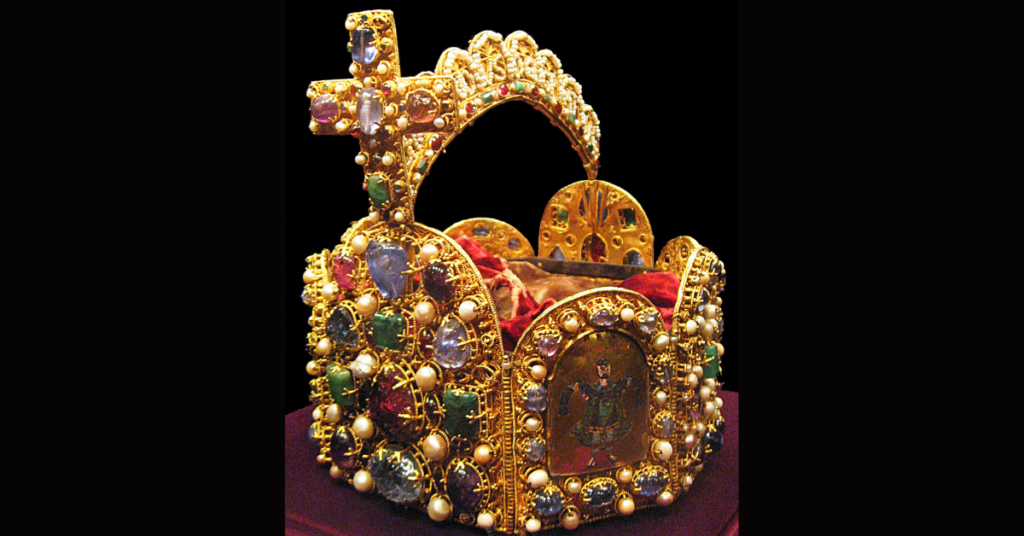
In 962 CE, Otto is crowned emperor by the Pope in Rome. This is not a continuation of the old Roman Empire, but something new:
- A German-led empire
- Rooted in East Francia
- Supported by the Church
This becomes known as The Holy Roman Empire.
Under Otto, the eastern kingdom becomes more stable, royal authority is strengthened, and a long-term political framework begins to take shape. The Palatinate now exists within:
- A developing imperial system
- A German political world
- A region that remains economically and strategically important