
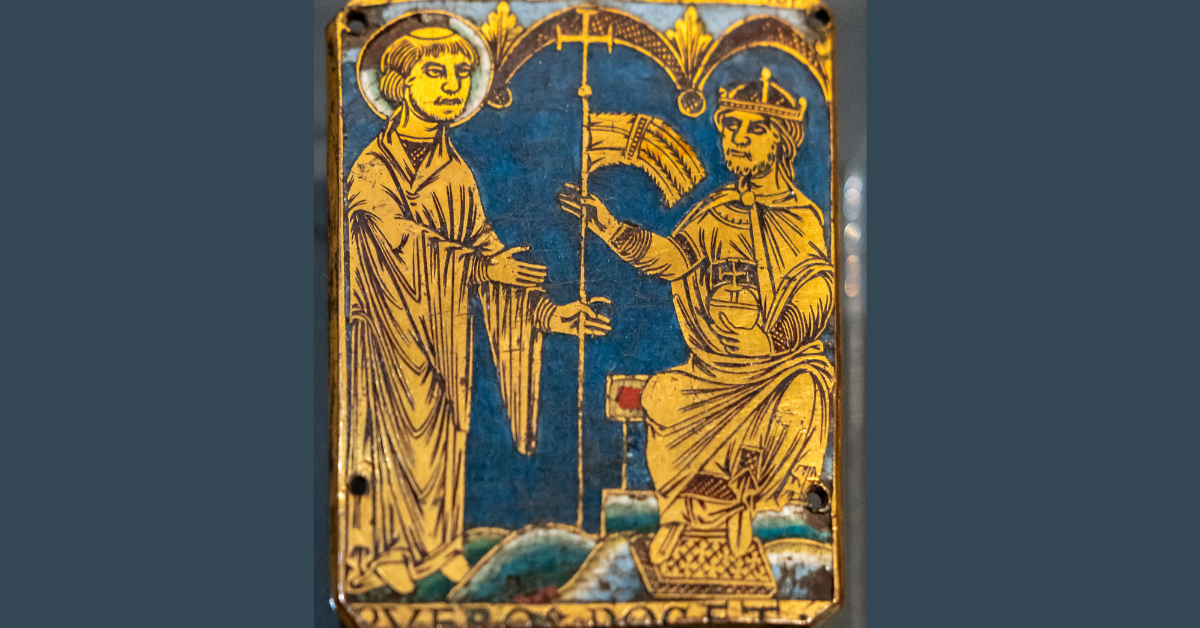
With the coronation of Otto I in 962 CE, the foundations of the Holy Roman Empire are established. But the system he creates does not remain tied to a single family. Instead, power passes through a series of dynasties, each reshaping the empire—and the Rhine region—in different ways.
What the Holy Roman Empire Actually Is
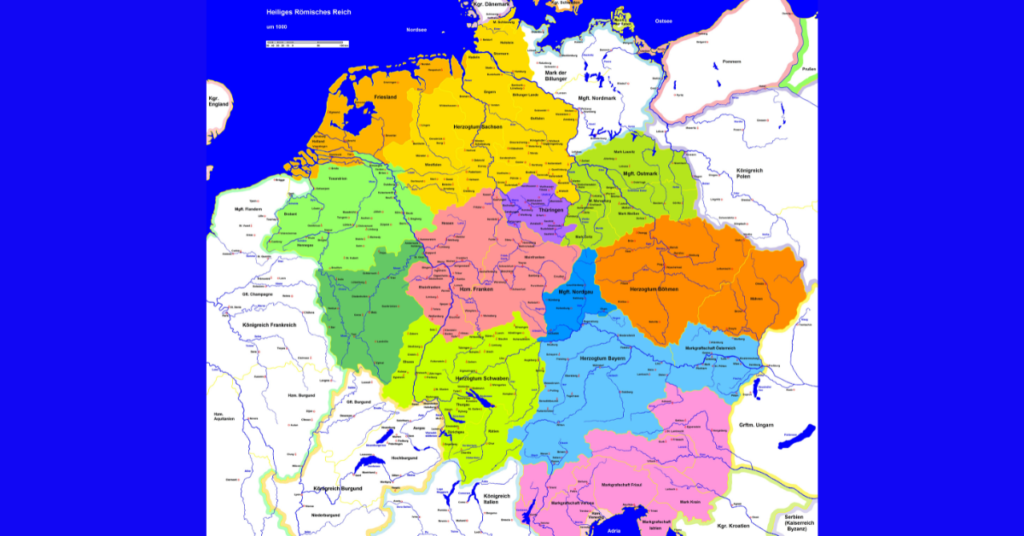

At this point, the Holy Roman Empire is not a tightly controlled state. It is:
- Centered in East Francia (early Germany)
- Extended into parts of Italy
- Held together by alliances between the king/emperor, nobles, and the Church
The ruler of East Francia is typically also: King of the Germans → then crowned Emperor by the Pope. So, the eastern king becomes emperor, but only after recognition by the Church in Rome. The Pope, based in Rome, plays a key role by crowning emperors and legitimizing rule, but he is also a political rival.
This creates a constant tension: power is shared—and contested—between emperor, nobles, and the Church
The “Pfalz”: How the Emperor Rules
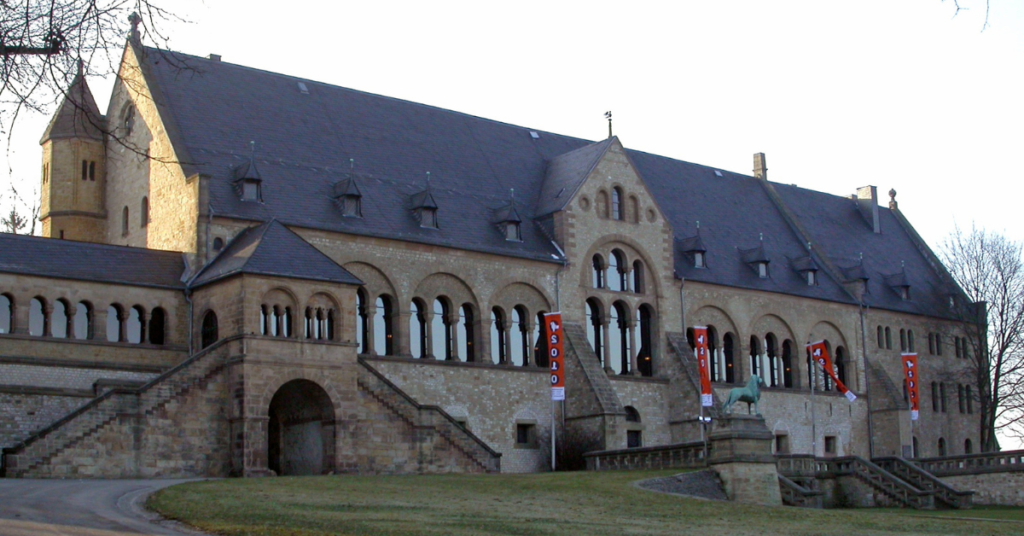

The emperor does not rule from a single capital. Instead, he travels throughout the empire, governing from a network of royal courts known as Pfalzen (singular: Pfalz). These are:
- Temporary royal residences
- Administrative and judicial centers
- Locations where the emperor holds court
Many of these are located along the Rhine, and this is where the Palatinate gets its name: the “Palatinate” is originally the region of imperial courts and authority along the Rhine. Over time, managing these sites requires trusted officials.
To oversee these royal lands and courts, the emperor appoints a key figure: The Count Palatine. This role includes:
- Administering imperial property
- Overseeing legal matters
- Representing the emperor in the region
As emperors travel less and local power grows, the Count Palatine becomes one of the most important officials in the empire.
The End of the Ottonian Line (late 900s–1024)
![Henry II as depicted in the Regensburg Sacramentary [1002-14], final ruler of the Ottonian Dynasty](https://kutzeschteddel.com/wp-content/uploads/2026/04/Henry-II-as-depicted-in-the-Regensburg-Sacramentary-1002-14-final-ruler-of-the-Ottonian-Dynasty-1024x536.png)

After Otto I, his descendants continue to rule, but the system remains fragile:
- Authority still depends on cooperation with regional elites
- Succession is not always stable
- Local rulers continue to grow in strength
By 1024 CE, the Ottonian dynasty comes to an end with no direct heir. The empire does not collapse, but the throne passes to a new dynasty through election and political agreement.
The Salian Dynasty and the Rhine (1024–1125)
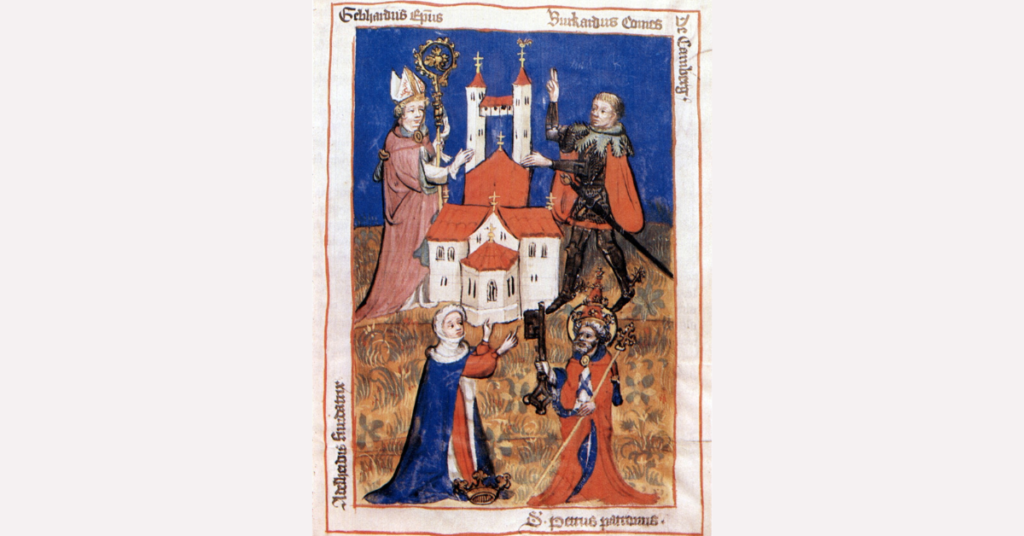

Power passes to the Salian dynasty, who rule the empire throughout the 1000s. Unlike the Ottonians, the Salians inherit a system that is already decentralized—and they attempt to strengthen it.
The Salian emperors focus heavily on the Rhine region, which becomes a central base of imperial power. They:
- Develop major cities like Mainz, Worms, and Speyer
- Build monumental cathedrals to project authority
- Expand administrative control through royal officials and bishops
During this period, the Rhine is no longer just a frontier—it is the political and economic core of the empire. This has a direct effect on the Palatinate. As imperial activity concentrates along the Rhine:
- The network of Pfalzen becomes more important
- The Count Palatine gains greater authority
- The region becomes more structured and politically significant
The Role of the Church and the Investiture Conflict
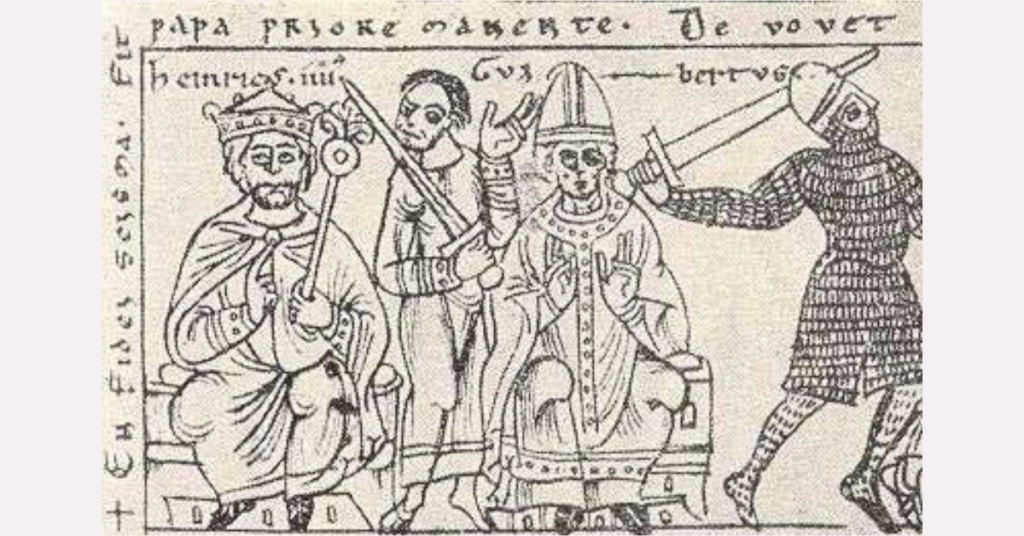

At the same time, the Salians face a major challenge: conflict with the Pope over who controls appointments within the Church. This struggle—known as the Investiture Controversy—centers on a key question:
Who has the right to appoint bishops—the emperor or the Pope?
Because bishops control land, wealth, and influence, this is not just a religious issue—it is political. The result:
- The emperor’s authority is challenged
- The Pope asserts independence
- Regional rulers gain leverage as the two sides compete
The End of Salian Rule
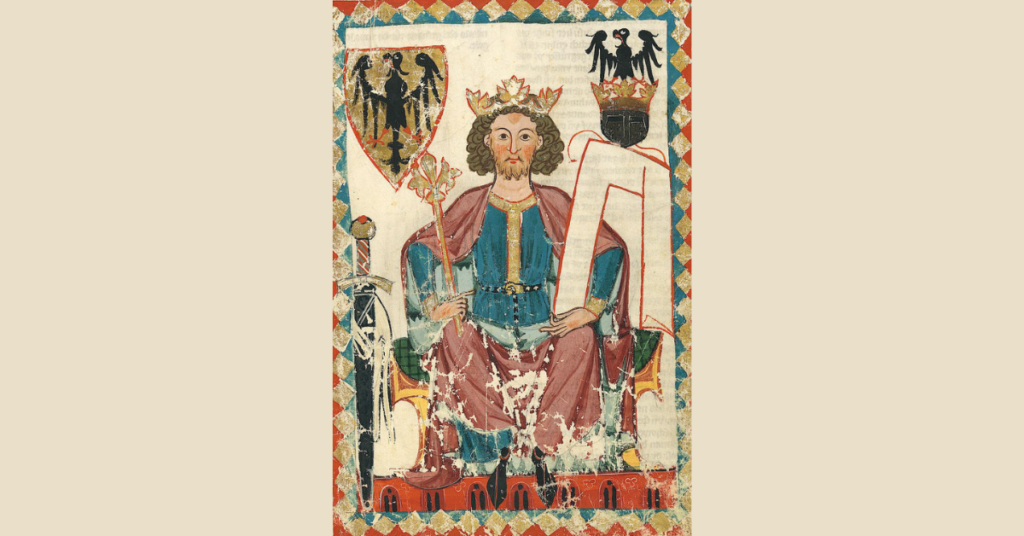

While the Salians attempt to strengthen imperial control, the outcome is more complicated. They rely heavily on local elites to govern, cannot fully centralize authority, and must negotiate power rather than impose it.
This leads to a familiar pattern: efforts to strengthen the center end up reinforcing the regions. In the Rhine region, this means:
- The Count Palatine becomes more powerful
- Authority becomes increasingly tied to land
- The Palatinate begins to take on a more permanent political identity
By the early 1100s, the Salian dynasty weakens. Conflicts with the Church and nobles limit their authority, and the imperial throne once again becomes contested. In 1125, the Salian line ends.