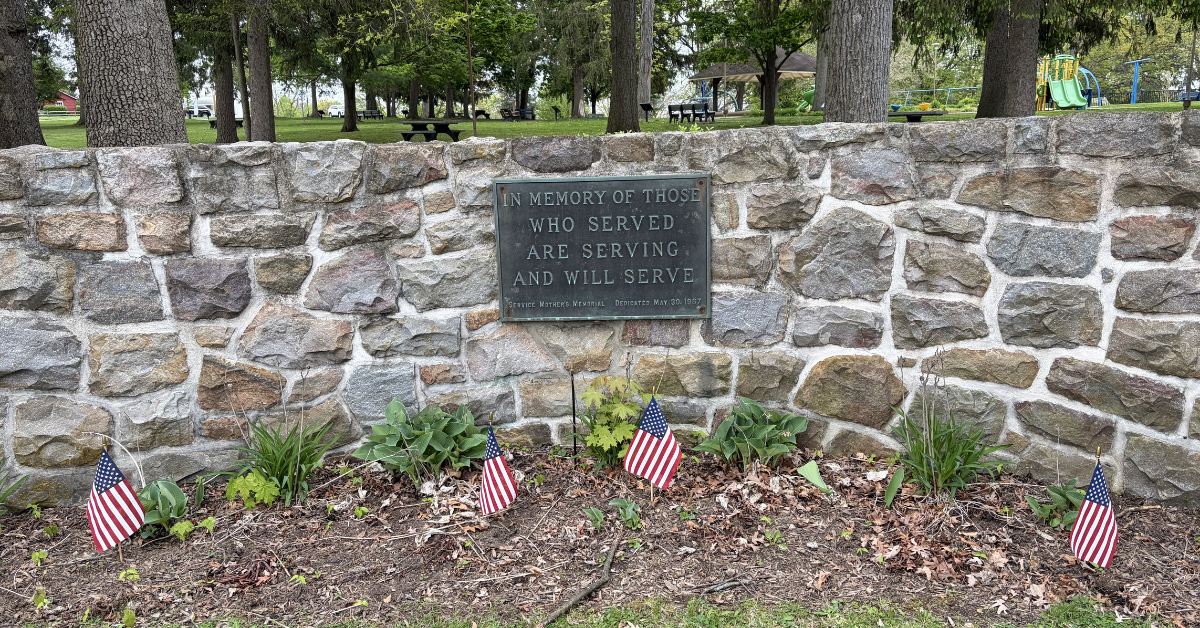
After World War II, Kutztown enters a new phase of history. Industry expands, the college evolves into a university, and local traditions are reshaped within a modern, national context. Over the following decades, the town becomes increasingly connected to larger systems—economic, cultural, and technological—while also navigating the tensions that come with that shift.
This section traces Kutztown’s modern history from the postwar period to today, following how the town moves from a locally rooted community into a place shaped by regional, national, and global forces—while continually negotiating what it means to remain Kutztown.
Post WWII (1940-1950s)
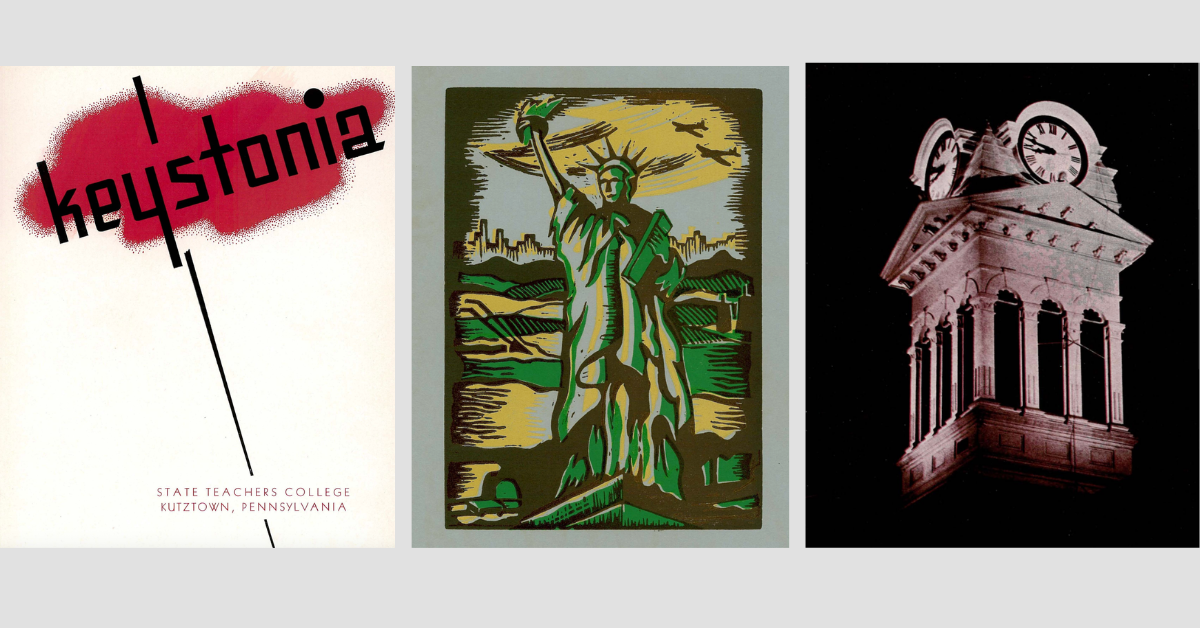
After World War II, Kutztown enters a new phase of growth shaped by industry, education, and cultural preservation. Local businesses expand, higher education becomes more central, and new ideas—like organic agriculture—emerge alongside older traditions.
At the same time, Pennsylvania Dutch culture begins to be formally studied, documented, and presented to wider audiences. Efforts like the Kutztown Folk Festival transform everyday life into something that can be preserved and shared, connecting the town to national conversations about culture and identity.
This period also reflects the uneven nature of postwar opportunity. While institutions grow and new pathways open, experiences like that of Bessie Reese Crenshaw reveal the limits of access and inclusion during this time.
1960s
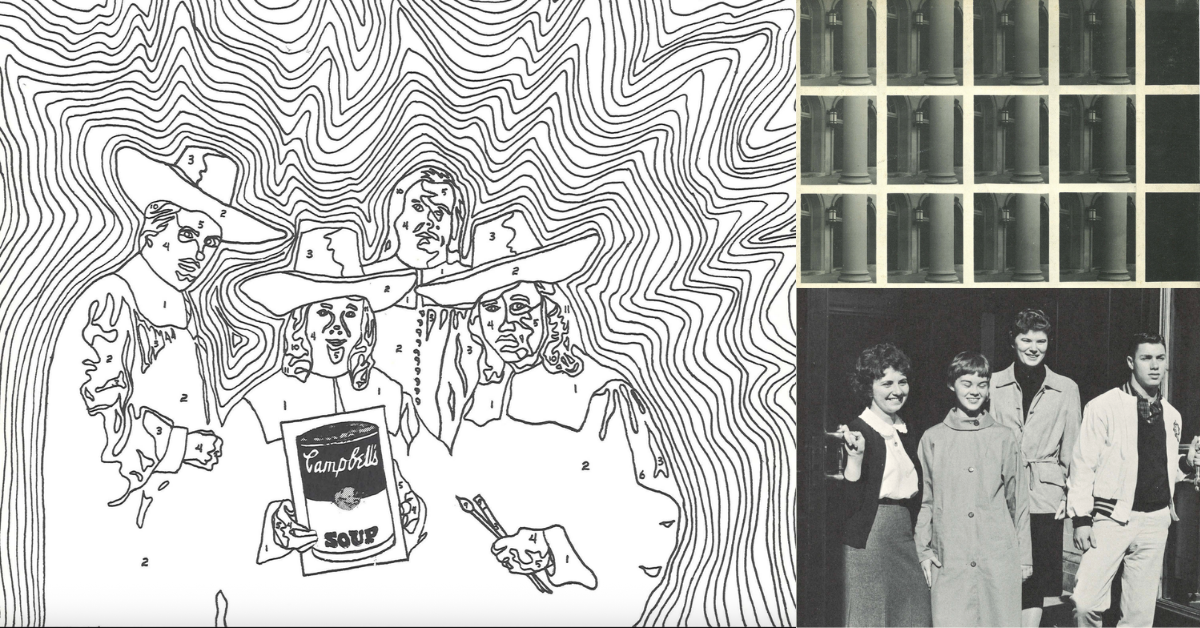
By the 1960s, Kutztown’s growth becomes more structured, as institutions expand and everyday life is increasingly shaped by formal systems. The town’s college broadens its mission beyond teacher training, reflecting a more complex regional economy and a growing demand for new skills and education.
Meanwhile, local government and public services take on a larger role. The creation of a full-time police department marks a shift toward organized oversight, while regulations, infrastructure, and public responsibilities become more clearly defined.
Community life also evolves in visible ways. Large-scale events like the sesquicentennial celebration bring residents together to reflect on the town’s past, while new recreational spaces like Terry Hill expand opportunities for leisure and gathering.
1970s
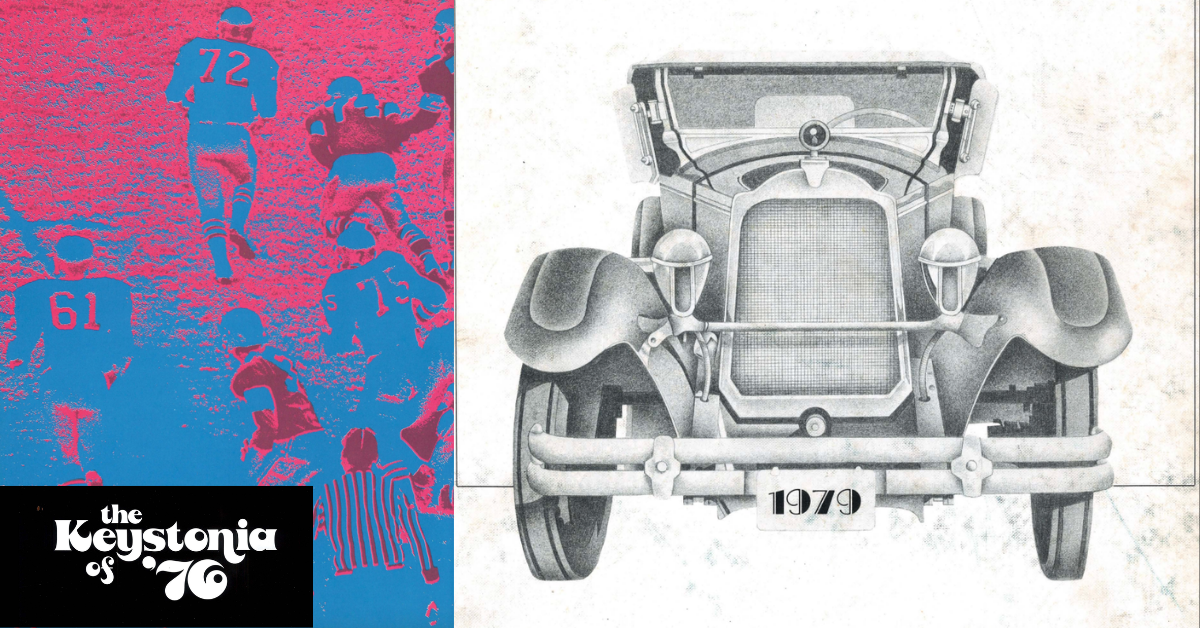
In the 1970s, Kutztown expands outward—physically, culturally, and economically—as new infrastructure and opportunities connect the town more closely to the wider world. The construction of the Kutztown Bypass reshapes how people move through the area, linking it to regional systems while shifting activity away from Main Street.
The decade also reveals the limits of that growth. Hurricane Agnes shows how quickly natural forces can disrupt modern systems, while the rise and collapse of large-scale events like the Kutztown music festival highlights the risks of rapid expansion.
Culturally, Kutztown reaches beyond its local boundaries. The town becomes a stop for major musicians, supports the growth of regional institutions, and produces figures like Keith Haring who carry its influence into national and global spaces.
1980s
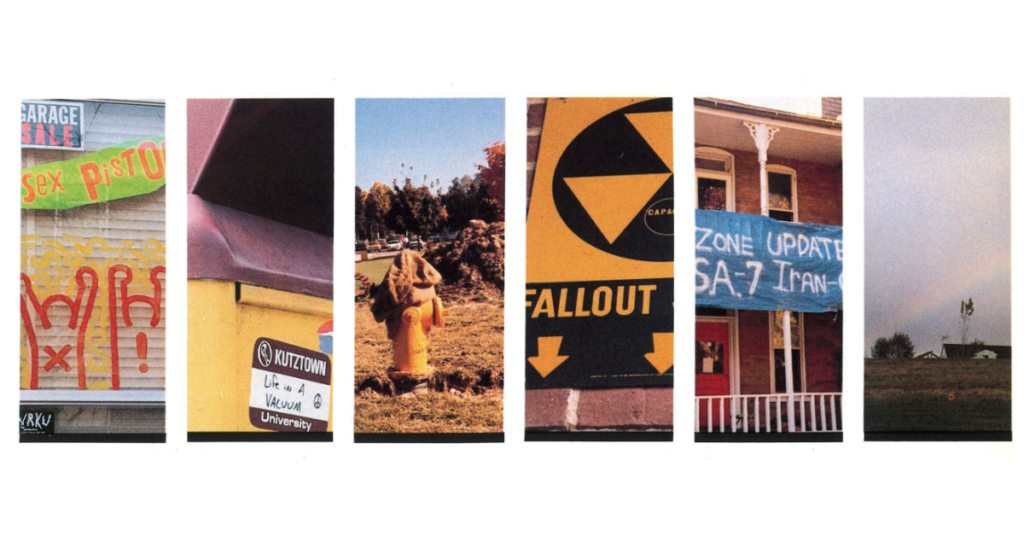
Throughout the 1980s, Kutztown becomes more connected to regional, national, and global networks as its university expands and new cultural events bring outside influences into the town. Kutztown University grows in size, scope, and visibility, projecting the town outward through academics, athletics, and student life.
However, that growth creates tension. The “town–gown” divide reveals strain between long-term residents and a rising student population, while the loss of landmarks like the Glockenspiel shows how older forms of identity begin to fade.
Figures like Keith Haring carry Kutztown’s influence beyond Berks County, linking the town to global cultural and social movements.
1990s
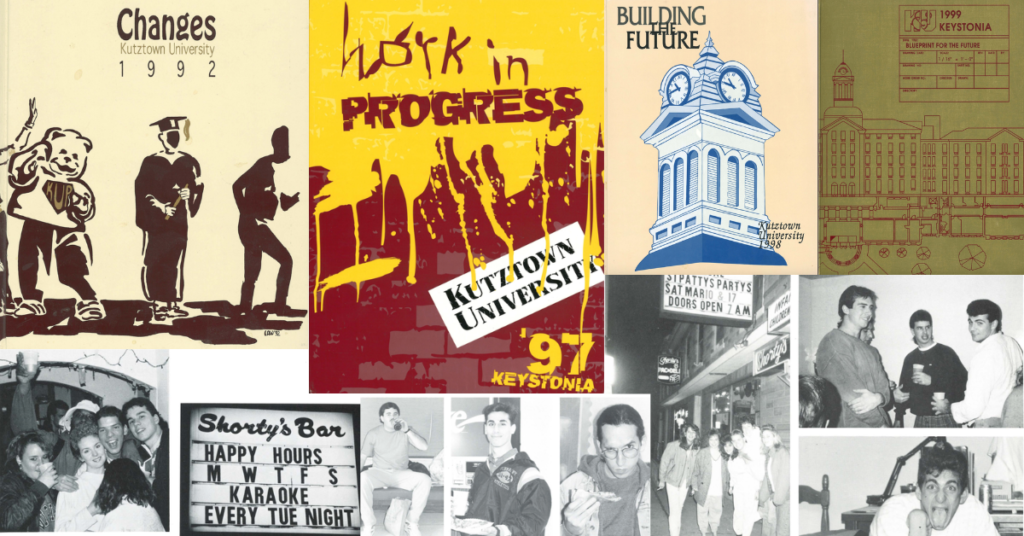
In the 1990s, Kutztown becomes more connected than ever as new systems expand access to information, education, and mobility. Libraries modernize, early digital infrastructure emerges, and the university continues to link the town into broader regional and national networks.
At the same time, shared traditions begin to break apart. Events that once unified town and campus—like Homecoming, the Halloween Parade, and the Folk Festival—split, relocate, or come into conflict, revealing a community experiencing itself in different ways.
2000s
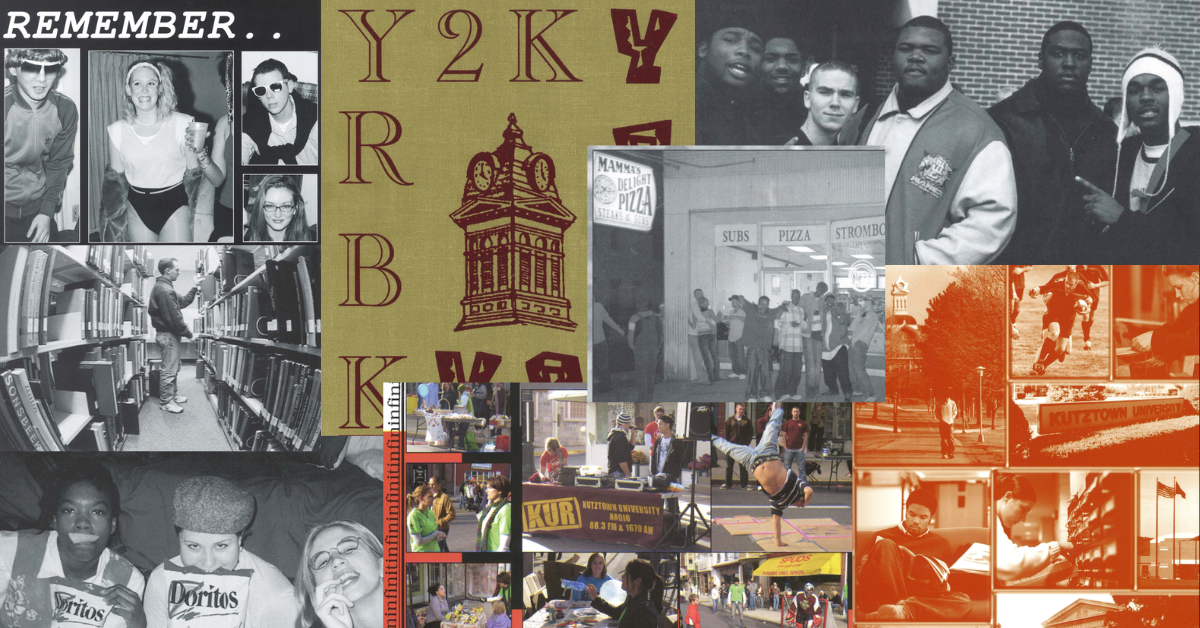
Kutztown in the 2000s is shaped directly by national events, as global crises and political attention are felt at the local level. The impact of 9/11 reaches the community through loss, memory, and participation in the response, while presidential visits position the town as a symbol of “everyday” America within national discourse.
Local leadership and community efforts take on a larger role in guiding the town forward. Initiatives under Mayor Sandy Green focus on revitalizing downtown, improving public safety, and strengthening connections between the borough and the university.
2010s
In the 2010s, Kutztown takes a more intentional approach to downtown revitalization and community-building efforts. Through organizations like the Kutztown Community Partnership, Main Street transforms from a place of transit into a space for events, gathering, and local investment.
The town also connects its identity to broader cultural currents. Sustainability movements tied to Rodale Institute link Kutztown to national conversations, while events like the bicentennial and new festivals reinterpret local traditions in modern ways.
2020s
In the 2020s, Kutztown experiences sudden disruption as COVID-19 halts daily life and removes the gatherings that once defined the town. Festivals, parades, campus events, and Main Street activity disappear almost overnight.
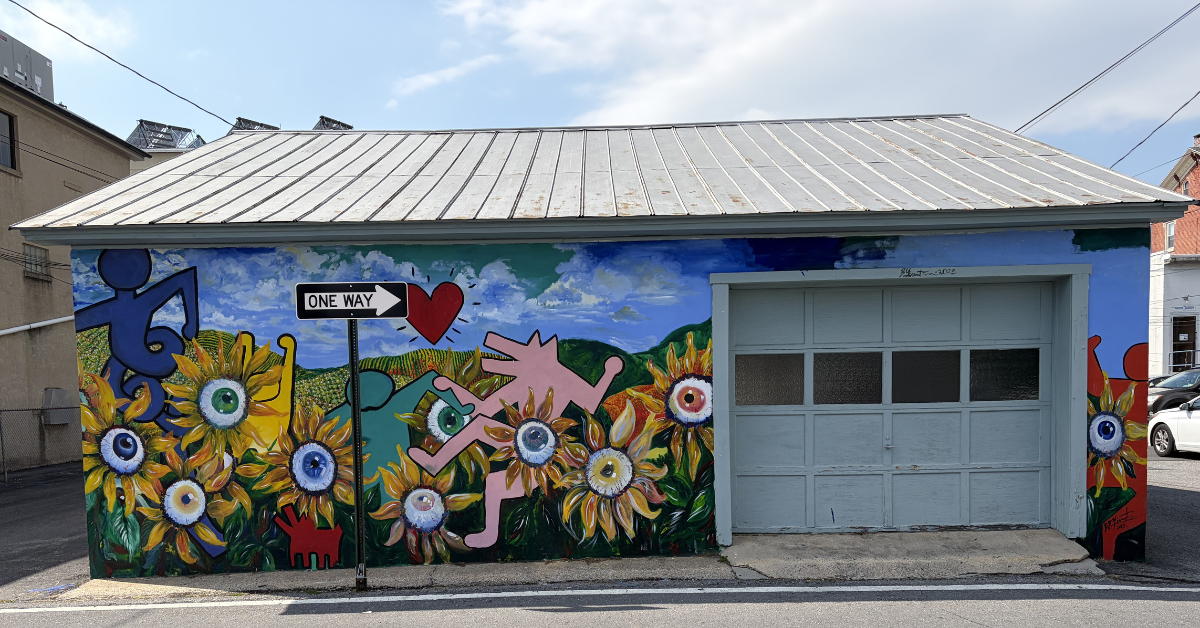
In the years that follow, the town begins to reflect and rebuild in new ways. Projects like the Altrip sister city partnership reconnect Kutztown to its deeper historical roots, while new infrastructure and public art reimagine how people move through and experience the town.
At the same time, long-standing institutions begin to falter, most notably with the cancellation of the Kutztown Folk Festival in 2025.