
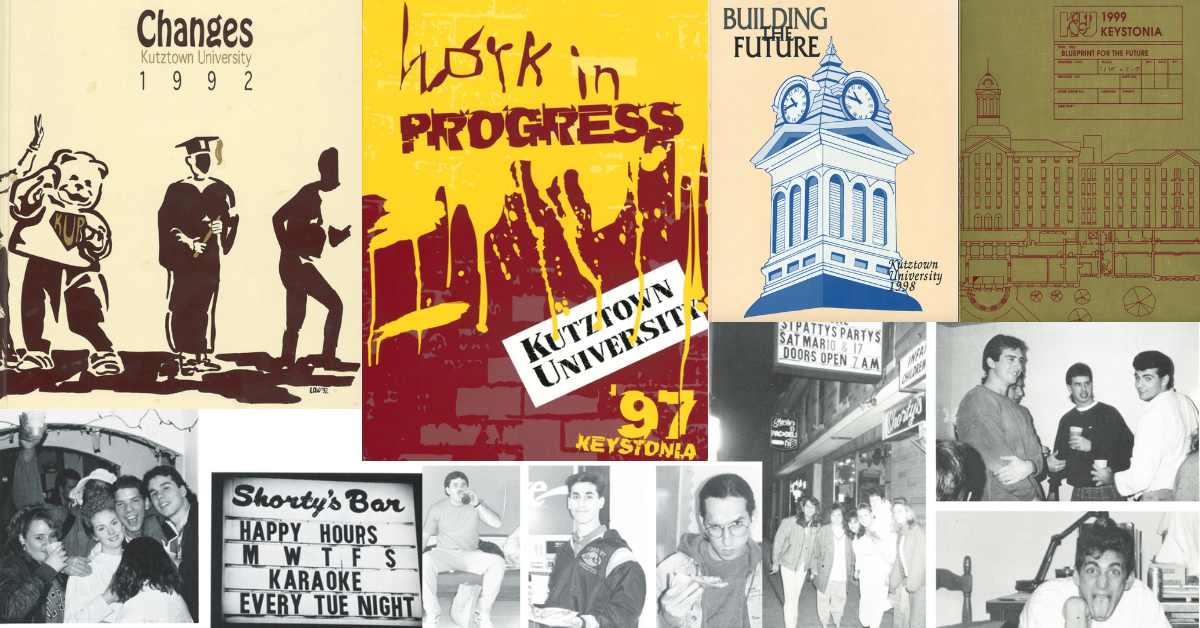
In the 1990s, Kutztown becomes more networked than ever before—but less unified in how it experiences itself. New systems expand access to information, education, and mobility, linking the town into wider regional and national structures. The library system modernizes, early digital infrastructure appears, and the university’s role continues to grow.
At the same time, the shared rituals that once anchored the town begin to loosen. Events that had blended campus and community—like Homecoming and the Halloween Parade—separate, reorganize, or disappear altogether.
1992: Summer Reading Programs Are a Hit
By the early 1990s, Kutztown’s place within a broader countywide library system was beginning to reshape how residents accessed information, education, and community resources.
The Berks County Public Library System (BCPL), established in 1986, had already expanded funding, modernized collections, and connected local libraries—including the Kutztown Public Library—into a more coordinated network.
By 1992, one of the clearest signs of that growth was the success of the Summer Reading Program, which reached unprecedented levels of participation. Children across the county, including Kutztown, read an average of 41 books each over the 12-week program.
This surge didn’t happen in isolation. Throughout the late 1980s and early 1990s, the library system had expanded its capabilities:
- Public funding had steadily increased, improving access and programming.
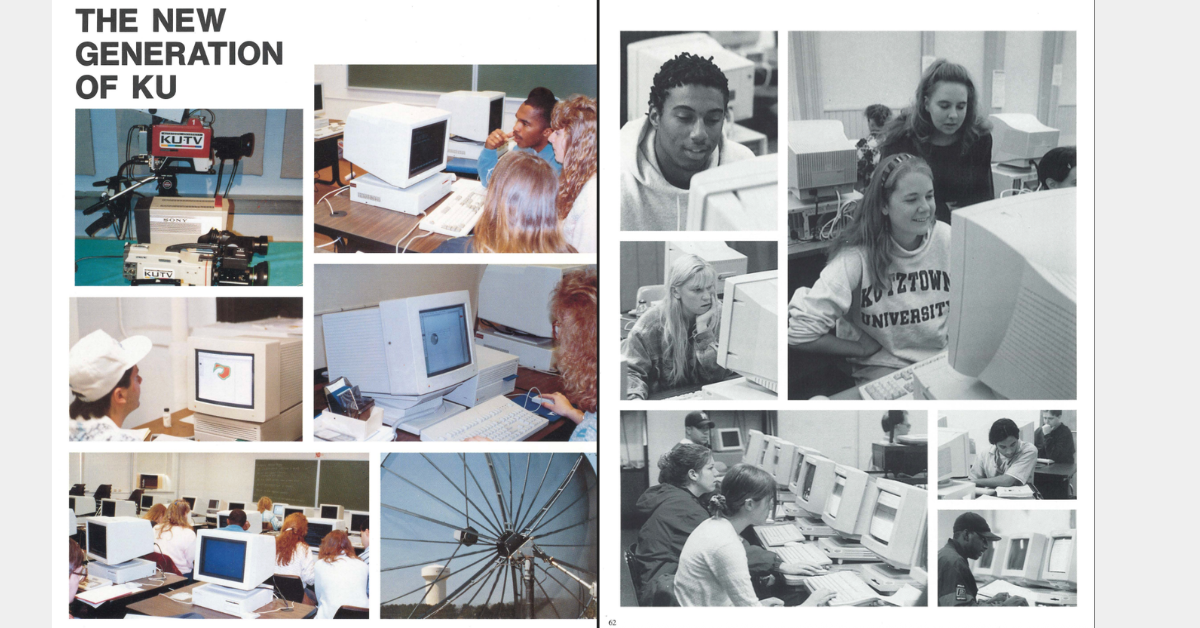
- Early computer systems were introduced, connecting local collections to the broader Access Pennsylvania database.
- A major grant added thousands of audiobooks, large-print materials, and closed-captioned videos, making library resources more accessible to a wider range of users.
1994: Chuck Roseberry Plays for KU Football at Age 46
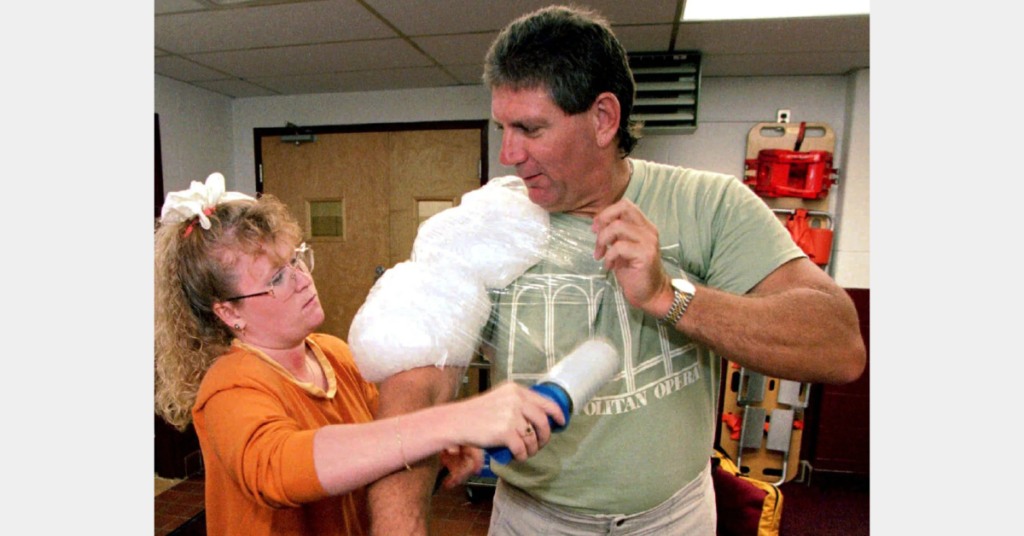
In 1994, Kutztown University football gained an unlikely and unforgettable figure: Chuck Roseberry, a 46-year-old freshman defensive tackle whose presence challenged nearly every assumption about age, athletics, and second chances.
A Vietnam and Persian Gulf War veteran, former police and corrections officer, and grandfather, Roseberry arrived at spring practice looking more like a coach than a player. Many teammates initially treated him as a curiosity—or a joke. Against expectations, Roseberry made the team.
His journey to Kutztown had been anything but conventional. After struggling academically in his youth—later discovering he had undiagnosed dyslexia—he spent decades in military and public service. It wasn’t until returning from the Gulf War that he decided to pursue college seriously, enrolling at Kutztown in 1994 as a psychology major and earning solid grades.
Despite chronic injuries, lingering health issues, and the physical toll of age, Roseberry trained alongside players nearly three decades younger.
Coaches initially saw him as a long shot, but his persistence quickly turned him into something else: a symbol. During conditioning drills, head coach Al Leonzi reportedly pushed younger players with a simple comparison—if a 46-year-old could keep up, what was their excuse?
Roseberry rarely saw game time, but that was never the point. His presence reshaped the team’s culture, forcing players to confront effort, discipline, and perspective in a new way. Teammates who once doubted him came to respect him—not for his stats, but for his refusal to walk away.
1994: The Homecoming/Halloween Parade Split
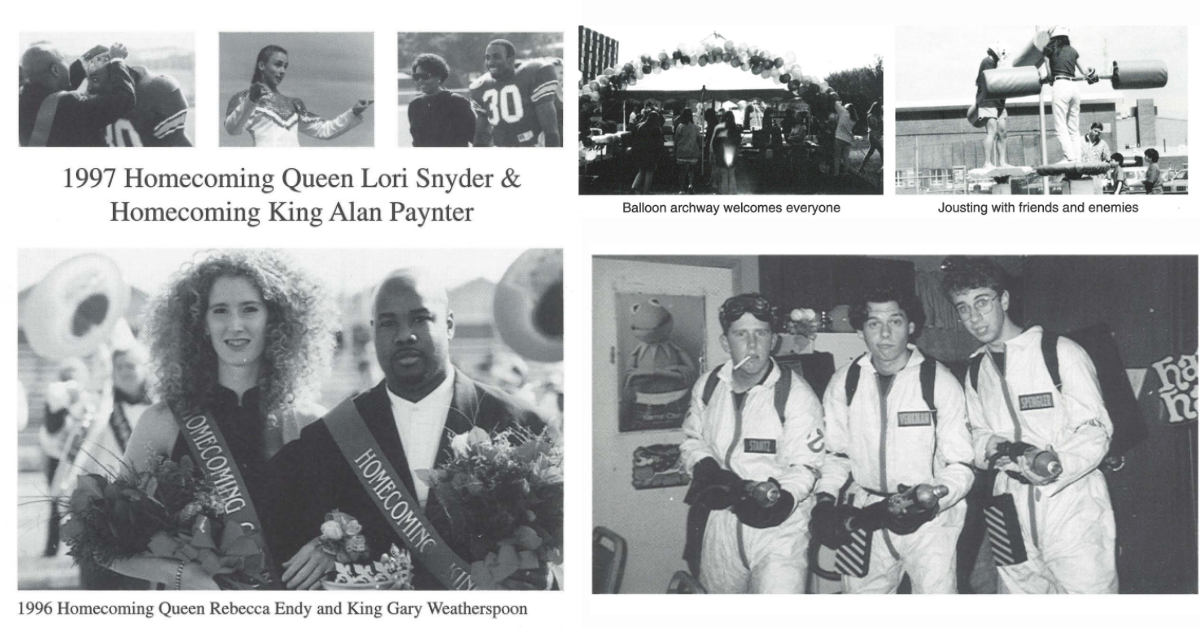
By the mid-1990s, Kutztown was beginning to feel the strain of overlapping traditions—particularly between the university and the borough itself. In 1994, Kutztown University made the decision to separate its Homecoming weekend from the borough’s long-running Halloween Parade.
For years, the two events had been intertwined. Homecoming courts rode in the parade, alumni returned during one of the town’s most lively weekends, and students, residents, and visitors all participated in a shared moment of celebration. The overlap created a kind of unified spectacle—part academic tradition, part local ritual.
University officials were, like many institutions at the time, rethinking homecoming as a more structured and controlled event—focused on alumni programming, campus activities, and long-term engagement.
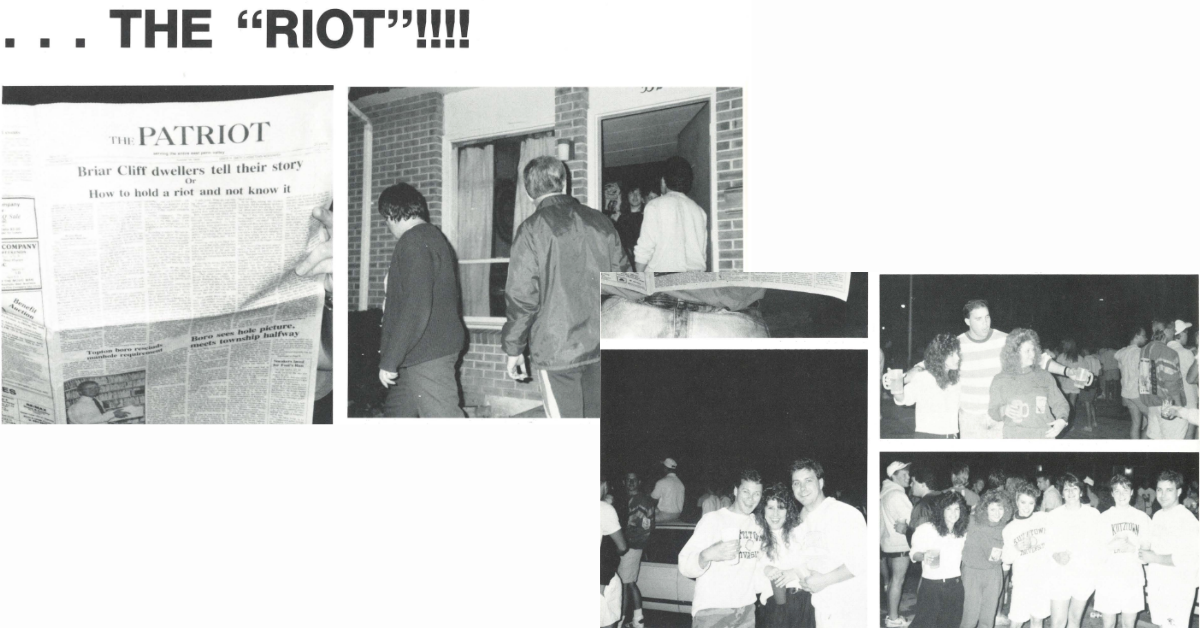
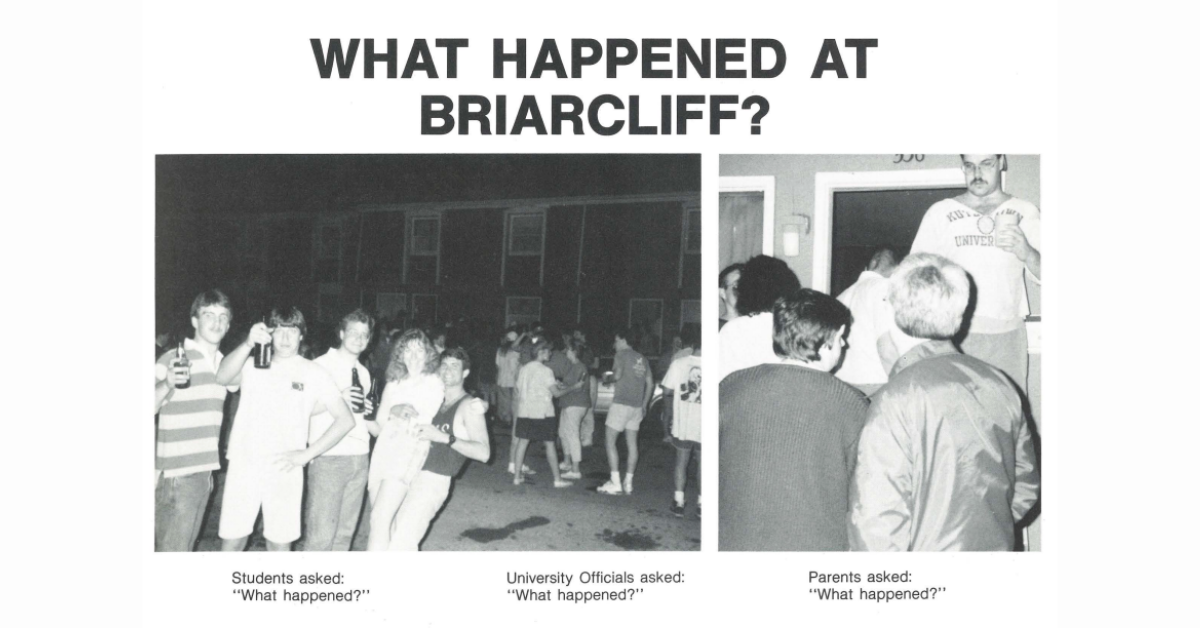
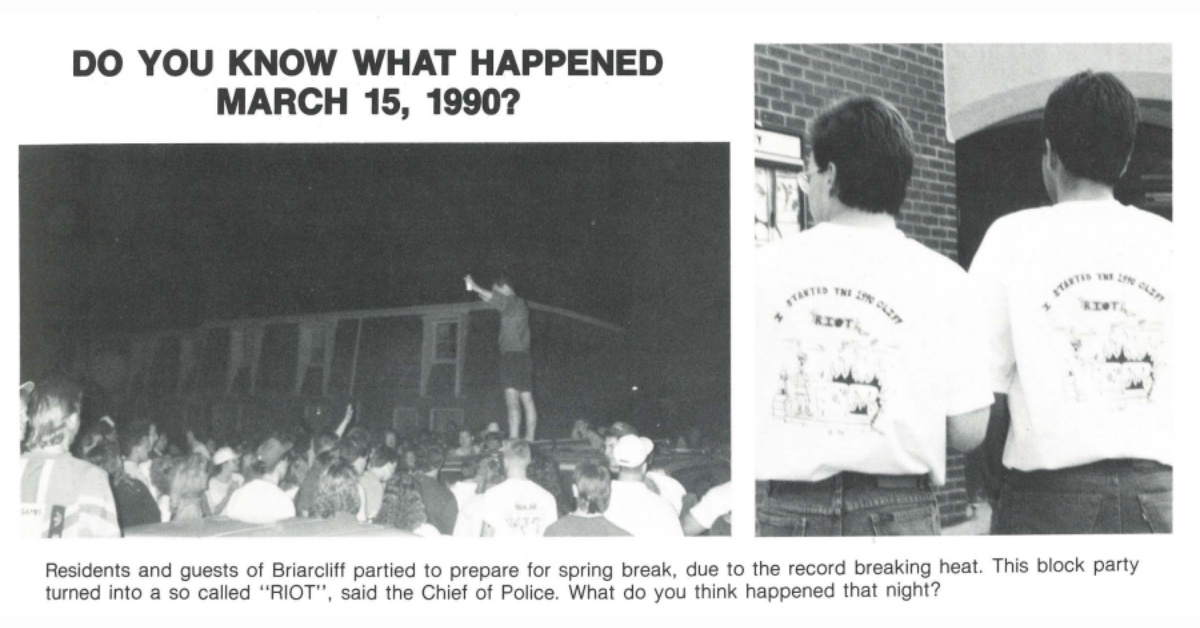
Across the country, colleges were expanding homecoming into multi-day experiences with networking events, family programming, and curated entertainment. Kutztown followed that trend, organizing its own slate of activities: performances, student events, alumni gatherings, and campus-centered celebrations.
But something was lost in the process. Students in particular felt the absence of the Halloween Parade’s energy. Without it, homecoming risked feeling more contained—less like a town-wide event and more like a campus function.
As one student put it at the time, the parade had been “a big time” moment, one where alumni and students could engage across settings, not just within university-organized spaces. Within a few years, the shift would feel even more permanent. By 1996, the Halloween Parade itself would come to an end in downtown Kutztown.
1995: President Bill Clinton Visits Kutztown
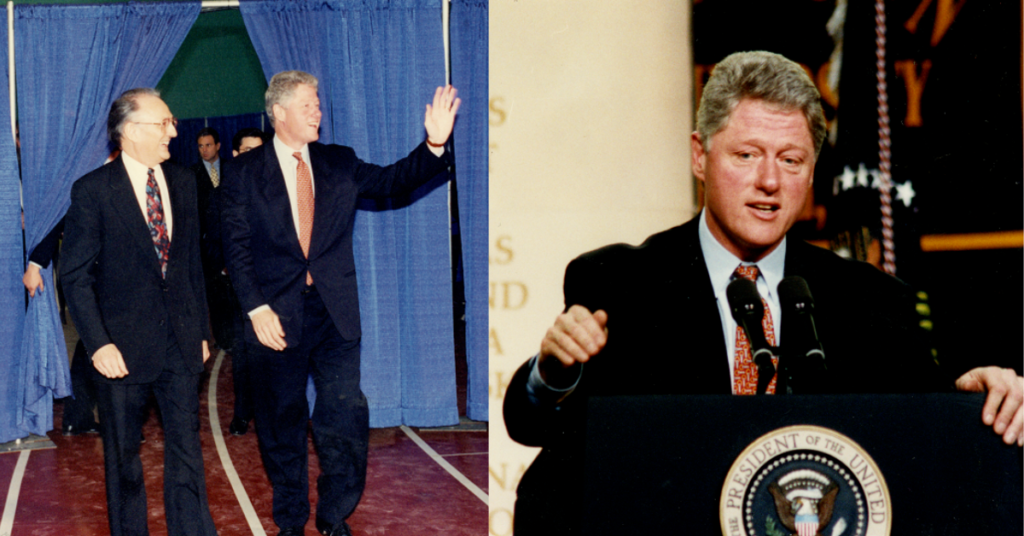
On January 25, 1995, Kutztown found itself briefly at the center of national attention when President Bill Clinton visited Kutztown University—just one day after delivering his State of the Union address.
Clinton chose Kutztown from a pool of fifteen institutions to highlight the importance of investing in higher education, strengthening university–community relationships, and expanding economic opportunity, particularly for minority entrepreneurs. In his remarks, he praised Kutztown as a “national model.”
Despite snow flurries and biting cold, thousands lined up—some overnight—for a chance to enter the field house and hear the president speak. Others gathered along Main Street and Normal Avenue just to catch a glimpse of the motorcade.
Inside the field house, Clinton spoke for just under half an hour, emphasizing education as a pathway to middle-class stability and national renewal. Each mention of Kutztown drew some of the loudest applause, reinforcing the sense that the town itself had become part of the message. But the day also revealed a more complicated picture of public life.
- Some waited in line for hours—only to never make it inside
- Others skipped the event entirely, choosing classes or work over spectacle
- Protesters gathered nearby, using the moment to voice opposition
- Security presence was heavy, with state police and federal coordination
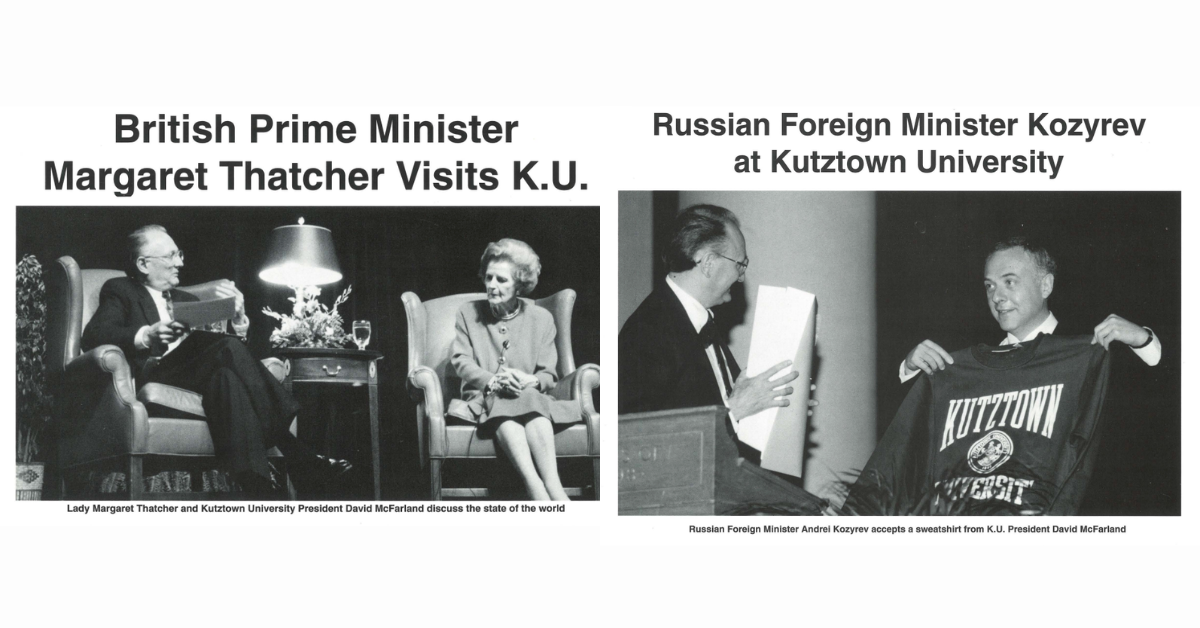
In the months that followed, a group of local quilters created a commemorative quilt for the president and first lady. After delays and local disputes, the quilt was eventually delivered to Hillary Rodham Clinton at the White House, where she spent time with the group discussing their work.
1996: The Blizzard of ‘96
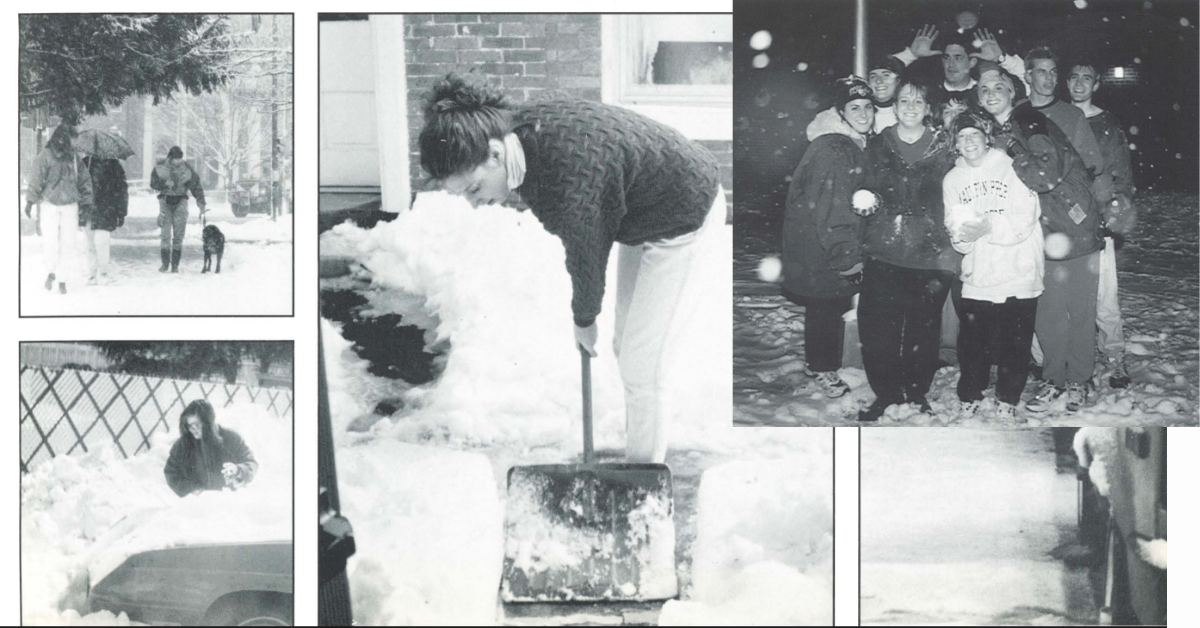
In January 1996, a massive winter storm blanketed eastern Pennsylvania, burying Kutztown and the surrounding region under nearly 30 inches of snow and bringing everyday life to a near standstill.
Roads disappeared beneath drifts. Cars were abandoned. Even main routes became impassable, turning familiar streets into narrow, snow-walled corridors. For many residents, simply stepping outside meant wading through knee- to waist-deep snow. Travel was effectively shut down, and the town—like much of the Lehigh Valley—was temporarily cut off.
The storm didn’t just disrupt movement; it reshaped how people experienced the town itself.
- Side streets became tunnel-like paths carved through snowbanks.
- Emergency crews and plows struggled to keep up with accumulation.
- Basic routines—work, school, errands—were suspended.
Even local media and communication systems were strained. Reporters and broadcasters were forced to improvise, sometimes stranded at stations for days, relying on deliveries by snowmobile just to stay operational.
The storm became one of those collective reference points: something everyone in the region remembered.
1997: The Halloween Parade Returns to the University
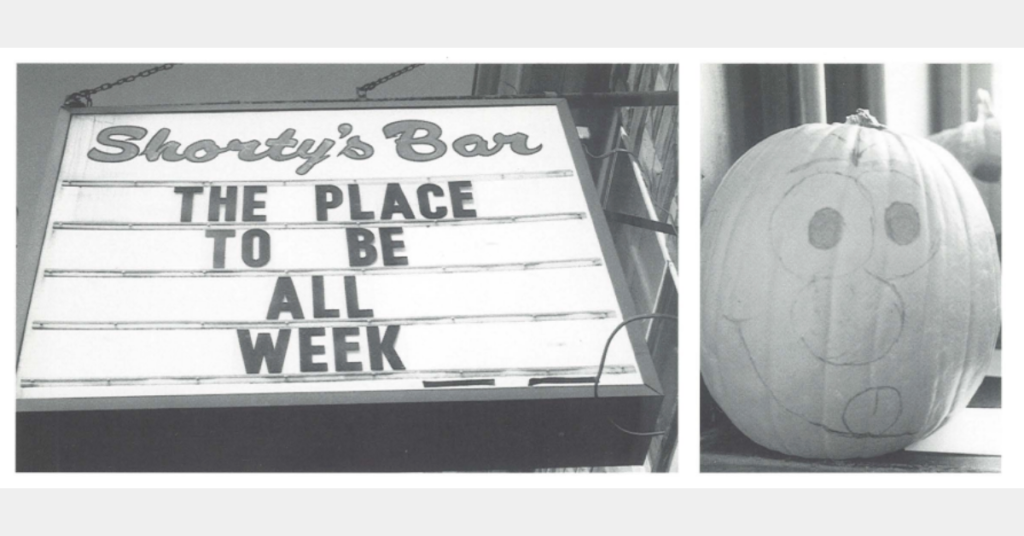
In 1997, Kutztown’s Halloween tradition came back—but in a very different form. After the borough ended the downtown Halloween Parade in 1996, a 45-year tradition disappeared. In response, Kutztown University moved quickly to rebuild something new—not for the town as a whole, but for the campus itself.
Branded “It’s Alive!”—a nod to Frankenstein—the revived celebration was explicitly framed as a reanimation of what had been lost. As one organizer put it, something had “died” in the borough and was now being reconstituted for students. The new version was entirely campus-centered:
- A night parade running along South Campus Drive, with student-built floats (often on golf carts due to narrow roads)
- Live music outside the cafeteria, spanning pop, rock, and alternative acts
- A student-run haunted house inside a residence hall
- Games and contests, including a pumpkin-decorating competition and even a basketball challenge requiring “crazy hats”
- The All Souls Dance in Keystone Gym, complete with DJs, tarot readers, and late-night crowds
Unlike the old parade, which brought together the entire town, this version was funded by student activity fees and designed primarily for the university community—though the public was still invited to certain events.
1999: Battle of the Folk Fests
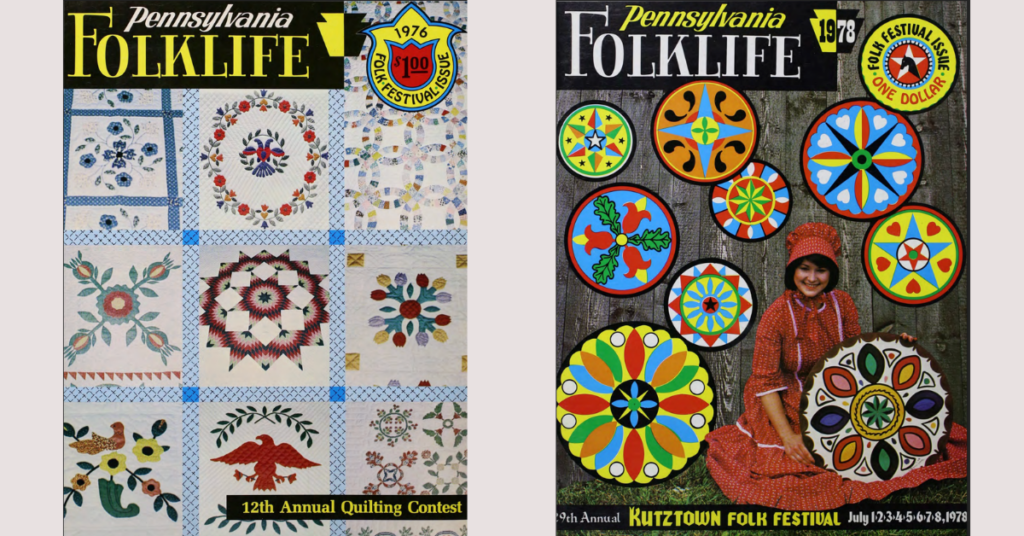
For nearly half a century, there had been one folk festival, held in Kutztown, drawing tens of thousands each summer to experience Pennsylvania Dutch culture through food, crafts, music, and lived demonstration. But after Ursinus College sold the rights to the original festival in 1994, everything changed.
The buyer, longtime vendor Richard “Little Richard” Thomas, moved the “original” festival to Summit Station after being unable to secure the Kutztown fairgrounds. In response, Kutztown organizers—backed by the university foundation and fair association—launched a new festival in Kutztown, focused on cultural preservation.
By 1999, there were effectively two competing festivals:
- One in Kutztown, emphasizing authenticity and local heritage
- One in Summit Station, claiming continuity with the original event
The result was confusion, rivalry, and open conflict.
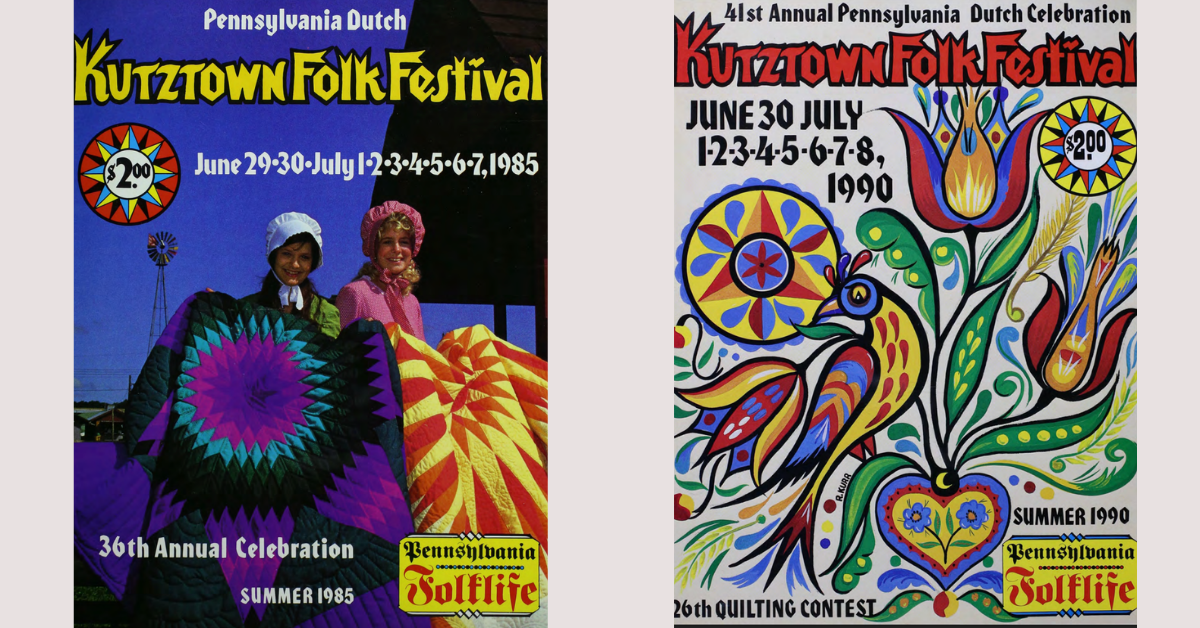
Drivers heading west on I-78 encountered a barrage of competing signs—some directing them to Kutztown, others warning they were going the wrong way. Billboards, painted trailers, and roadside messages turned the highway into a kind of cultural battleground. Visitors often didn’t know which festival they were attending—or which one was “real.”
The dispute escalated into lawsuits over the use of the word “Kutztown.”
- The Kutztown-based festival argued trademark infringement and visitor confusion
- The Summit Station festival countered that it carried the original legacy
A federal judge ultimately ruled that “Kutztown” could not be exclusively claimed, noting that geographic names cannot be trademarked and that attendees clearly knew when they were not physically in Kutztown. But the legal decision didn’t resolve the deeper divide.
Locally, the split cut through relationships and identities. Some residents aligned with one festival or the other. Others disengaged entirely, feeling the event had become too commercial or too fractured. As one organizer put it: “The identity of this town is wrapped up in the festival.”