
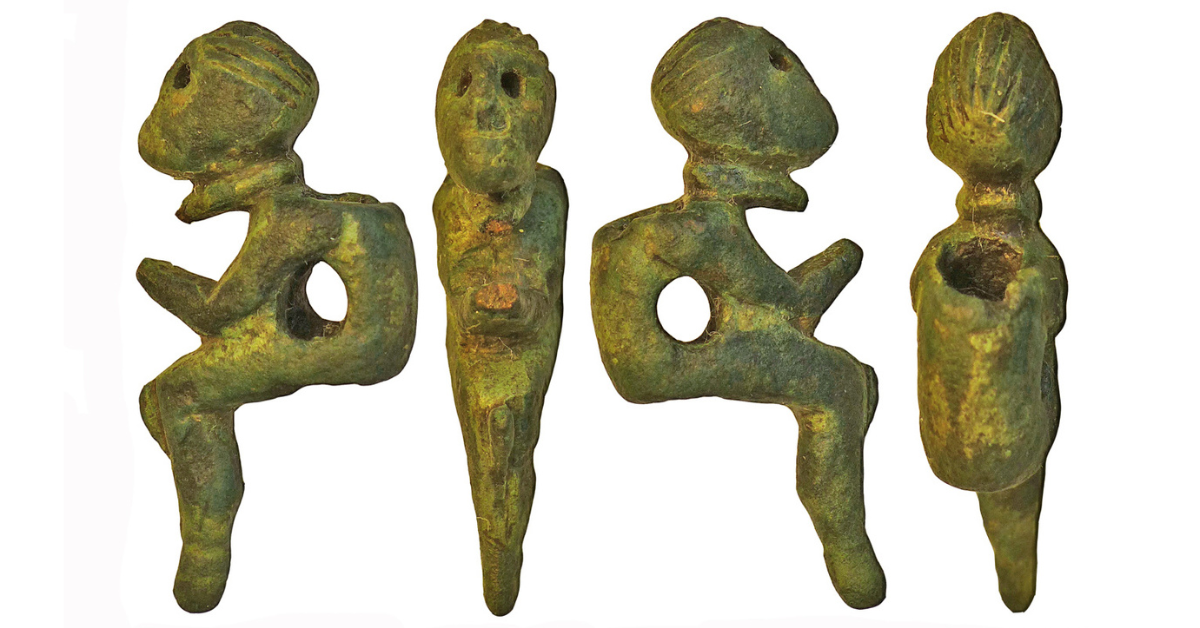
By the 3rd century CE, the Rhine frontier is no longer a stable boundary. The Roman Empire still controls the lands west of the Rhine, including the Palatinate—but pressure is building from outside.
Germanic Pressure on the Frontier (c. 200–400 CE)
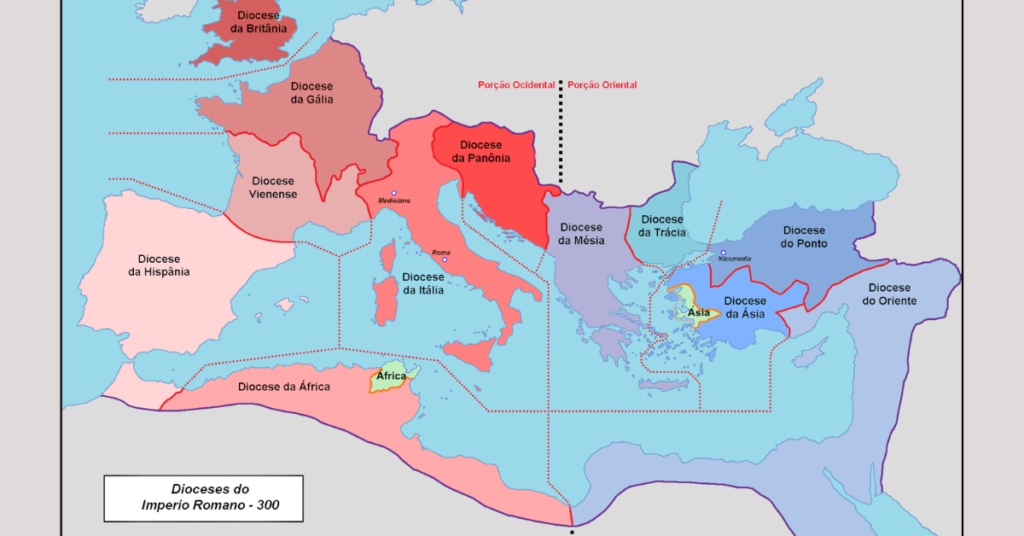

Over time, Germanic groups living east of the Rhine begin to raid Roman territory, trade with Roman towns, and serve as soldiers in the Roman army.
Among these groups are early formations of what will become the Franks. These are not yet a single unified people. Instead, they are:
- A loose collection of Germanic tribes
- Living along and across the Rhine
- Increasingly interacting with the Roman world
The Roman Empire Weakens
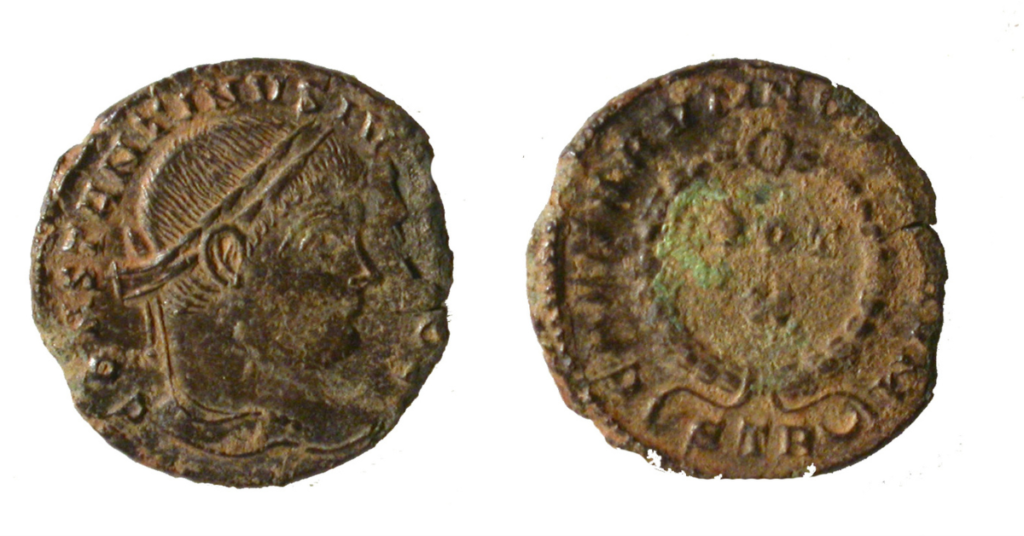
.jpg)
By the 3rd and 4th centuries CE, the Roman Empire begins to struggle:
- Political instability
- Economic strain
- Military pressure on multiple fronts
Rome still controls the Palatinate, but: is grip is weakening to maintain control. Rome relies more heavily on:
- Local troops
- Germanic soldiers and leaders
But this creates a shift: Germanic groups are no longer just outsiders—they are becoming part of the system.
Crossing the Rhine (406 CE)


A major turning point comes in 406 CE when large groups of Germanic peoples cross the Rhine into Roman territory, including various tribes moving into Gaul. It’s the moment where the Roman border stops functioning as a barrier. From this point forward:
- Roman authority in the region rapidly declines
- Germanic groups begin settling permanently in former Roman lands
By 476 CE, the Western Roman Empire officially collapses. The last Roman emperor in the West is deposed, and central Roman authority disappears. In regions like the Palatinate, Roman rule doesn’t end overnight—but it stops being the dominant power.
The Rise of the Franks in Gaul
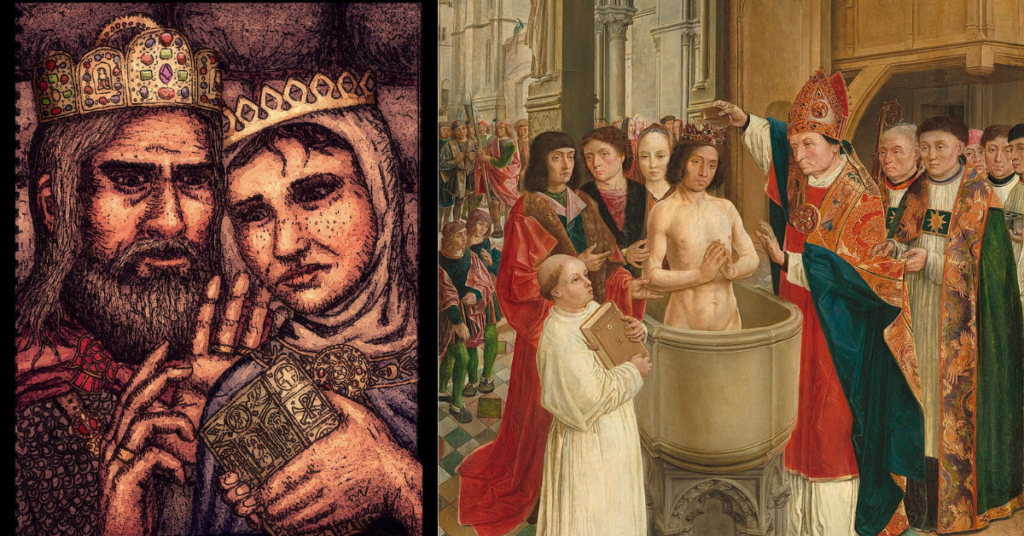


As Roman authority fades, one group rises above the others: The Franks. By the late 400s, Frankish leaders consolidate power across Gaul. The most important of these is Clovis I (r. c. 481–511), who:
- Unites various Frankish groups
- Expands control across much of former Roman Gaul
- Converts to Christianity
The Franks adopt Roman Christianity, linking Germanic rule with Roman religious tradition. By around 500 CE, the region has fundamentally changed. The Palatinate is now no longer Roman—but not disconnected from Rome either.