The Pennsylvania Dutch did not appear out of nowhere in colonial Pennsylvania. Their story begins thousands of years earlier, with the migrations, borderlands, empires, religious movements, and wars that shaped the people of the Rhine and Palatinate.
Before they were “Pennsylvania Dutch,” they were part of a much older world: hunter-gatherers and farmers, Celts and Germans, Romans and Franks, Catholics and Protestants, villagers and migrants. Over time, the Palatinate became a crossroads—between Celtic and Germanic lands, Roman and frontier worlds, French and German politics, Catholic and Protestant faiths.
This article traces that long history at a high level, from the first Europeans to the migration of German-speaking families to Pennsylvania. Each section introduces a major stage in the story, with links to deeper articles exploring each period in more detail.
The First Europeans
(c. 300,000 BCE – 1000 BCE)


The story of the Pennsylvania Dutch begins with the earliest human migrations into Europe. Modern humans spread from Africa, living as hunter-gatherers and adapting to new environments while mixing with earlier populations.
A major shift comes with the spread of farming from Anatolia, as settled communities replace mobile lifestyles and begin shaping the landscapes of Europe—including the Rhine region. Later, Indo-European migrations introduce new languages, technologies, and social structures, further transforming the continent.
Over thousands of years, these waves of movement and mixing create the deep ancestral foundation of the populations that will eventually settle in the German lands.
Tribal Cultures Along the Rhine
(c. 1000 BCE – 50 BCE)
.jpg)
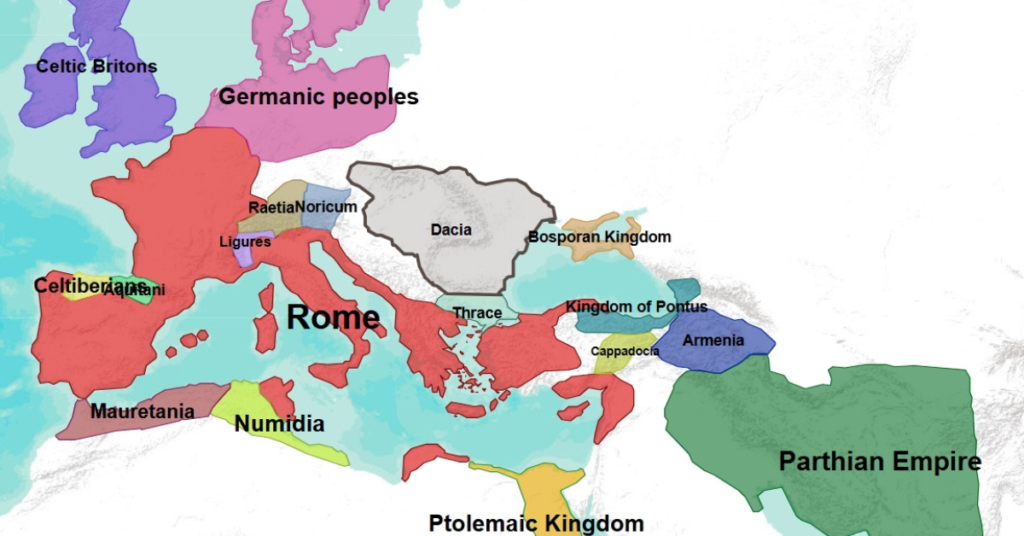
By 1000 BCE, Europe is a patchwork of emerging cultures. The Rhine region—where the Palatinate will later form—sits at the boundary between major groups. Celtic societies dominate to the west, while Germanic tribes develop to the east and north, each with distinct social structures and ways of life.
Rather than a fixed border, the Rhine is a zone of movement and exchange. Trade flows along the river, people cross back and forth, and cultures mix over time. This creates a hybrid region—neither purely Celtic nor purely Germanic—that begins to develop its own identity.
The Roman Empire and Rhine Frontier
(c. 55 BCE – 300 CE)
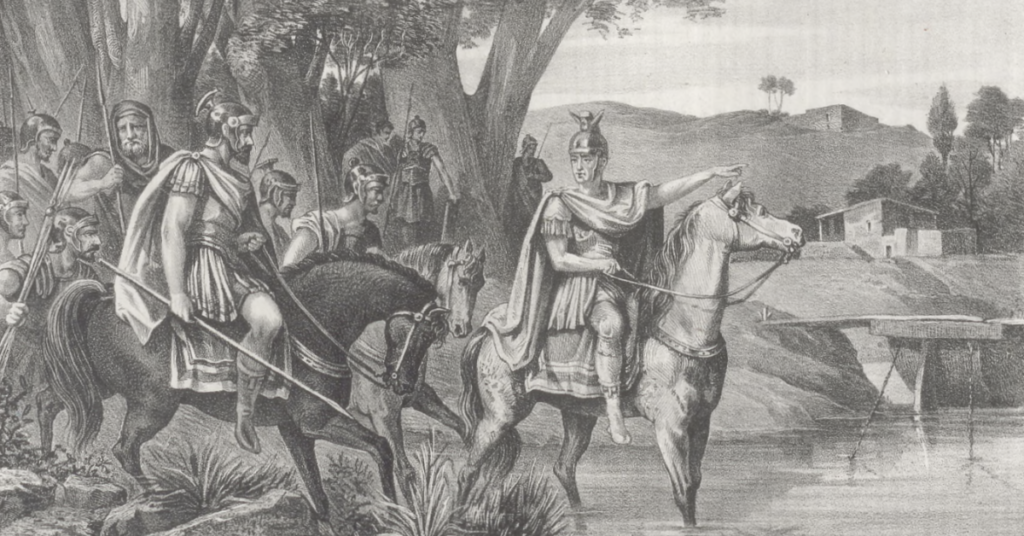

The rise of the Roman Empire transforms the Rhine into one of Europe’s most important frontiers. When Julius Caesar reaches the river, Rome conquers lands to the west, incorporating the future Palatinate into its empire and developing cities like Mainz into major centers of power.
But after Rome’s defeat at the Battle of the Teutoburg Forest, expansion stops. The Rhine becomes a lasting boundary between Roman and Germanic worlds.
This divide—combined with centuries of interaction across it—helps shape the cultural and political foundations of the region that will eventually give rise to the Pennsylvania Dutch.
Rise of the Franks and the Fall of Rome
(c. 200 CE – 500 CE)
.jpg)
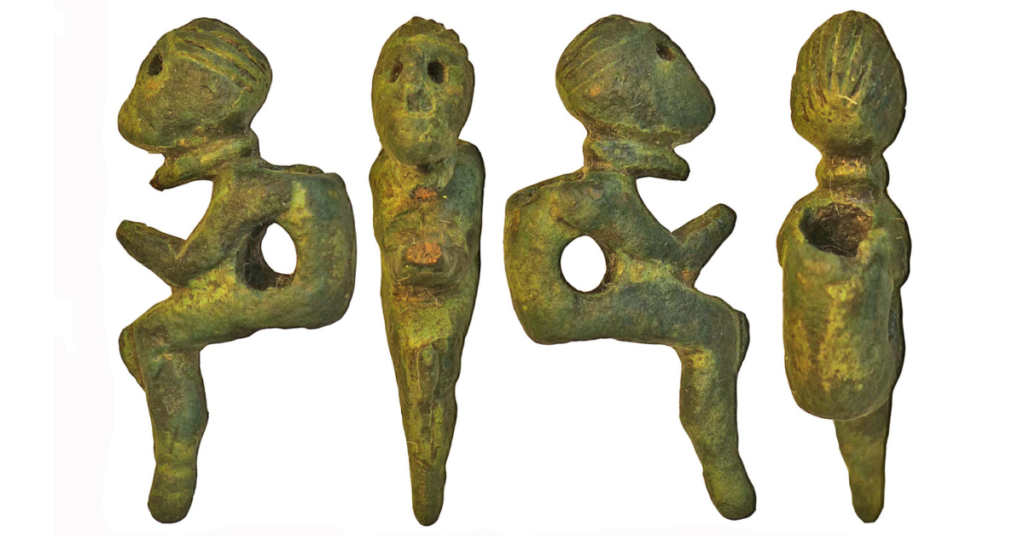
As Roman power weakens, the Rhine frontier begins to collapse. Germanic groups—especially the early Franks—move from outsiders to participants within the Roman system, serving as soldiers, settling in Roman lands, and gradually reshaping the region from within.
After the Rhine crossings of 406 CE and the fall of the Western Roman Empire in 476 CE, Roman authority fades. In its place, the Franks consolidate power under leaders like Clovis I, blending Germanic leadership with Roman Christianity.
This fusion of cultures marks a turning point: the foundations of the early German world—and the future Palatinate—begin to take shape.
From Clovis to Charlemagne
(c. 500 CE – 800 CE)
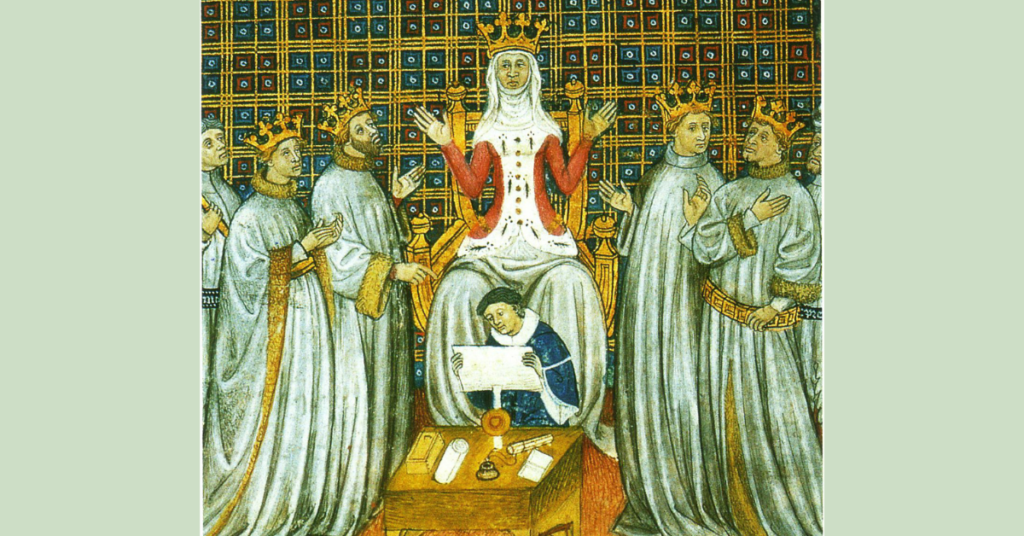
After Clovis, the Frankish world fragments into competing kingdoms, where power is divided among heirs and controlled by regional elites. Over time, real authority shifts to figures behind the throne, eventually giving rise to a new ruling dynasty: the Carolingians.
Under leaders like Charles Martel and Pepin the Short, power is reorganized and tied more closely to the Church. This culminates in the rule of Charlemagne, who expands Frankish control across much of Europe and is crowned emperor in 800 CE.
His reign revives the idea of empire in the West, combining Germanic rule, Roman legacy, and Christian authority into a new political order.
Charlemagne’s Empire and the Division of Europe
(c. 768 CE – 900 CE)
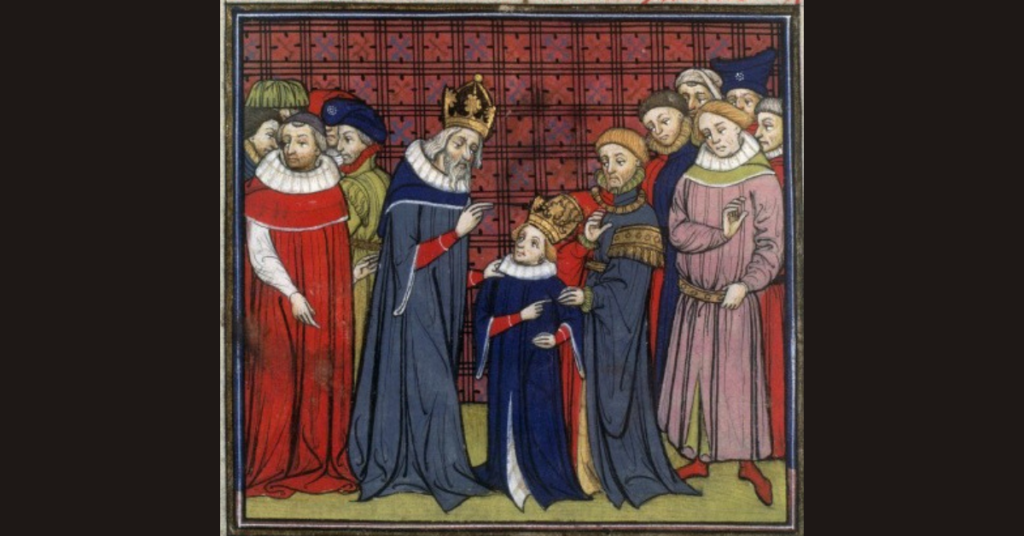

At its height, Charlemagne’s empire unites much of Western and Central Europe under a single ruler. But after his death, this unity does not last. Following Frankish tradition, the empire is divided among heirs, weakening centralized control.
The Treaty of Verdun formally splits the empire into three parts, placing the Rhine—and the future Palatinate—within a contested middle zone between emerging French and German regions.
This division sets the stage for Europe’s long-term political boundaries and reinforces the Rhine as a cultural and political crossroads.
The Fall of Middle Francia
(c. 843 CE – 950 CE)
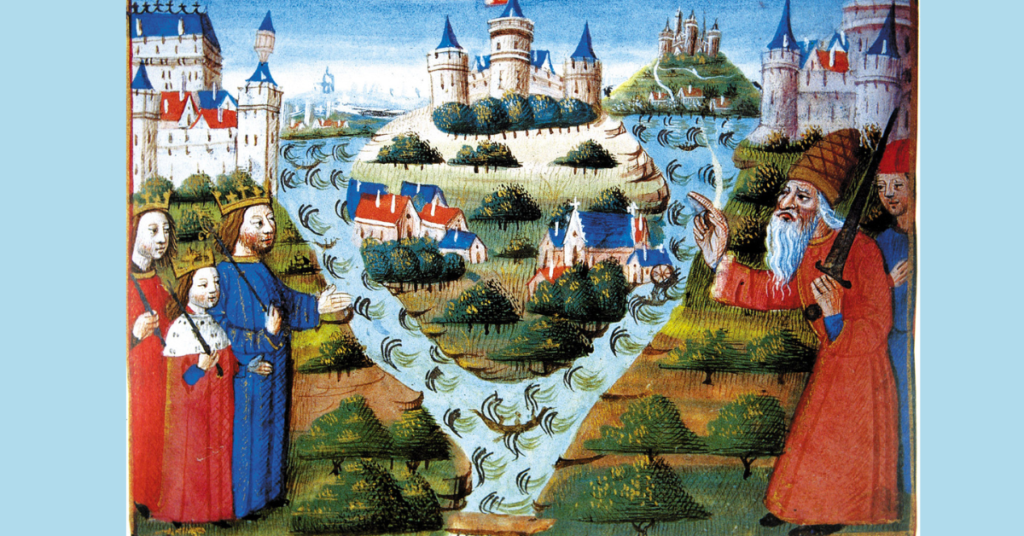

The central kingdom created after Charlemagne proves unstable. Middle Francia stretches across Europe but lacks cohesion, and after the death of its ruler, it fragments into smaller regions—including Lotharingia along the Rhine.
Over time, this middle zone becomes a battleground between East and West Francia. With the Treaty of Meerssen, the Palatinate is absorbed into the eastern kingdom, aligning it more closely with the emerging German world.
This shift is critical: the region begins to develop lasting political and cultural ties to what will become Germany, shaping the long-term identity of the people who will eventually migrate to Pennsylvania.
East Francia and the Rise of the Holy Roman Empire
(c. 900 CE – 962 CE)
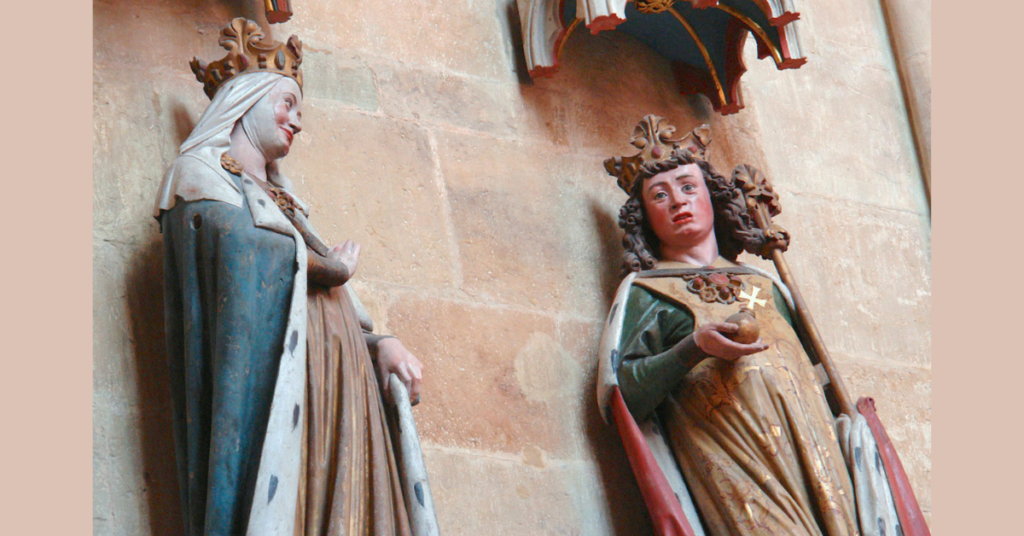

After the collapse of Charlemagne’s empire, East Francia emerges as the foundation of a new political order in the German lands. Rather than a centralized state, it is a network of powerful regions held together by alliances between local rulers.
Leaders like Henry the Fowler and Otto I stabilize this system, balancing authority with cooperation. In 962 CE, Otto is crowned emperor, marking the beginning of the Holy Roman Empire—a German-led political structure that will shape the Rhine region for centuries.
From Otto to the Salians
(c. 962 CE – 1214 CE)
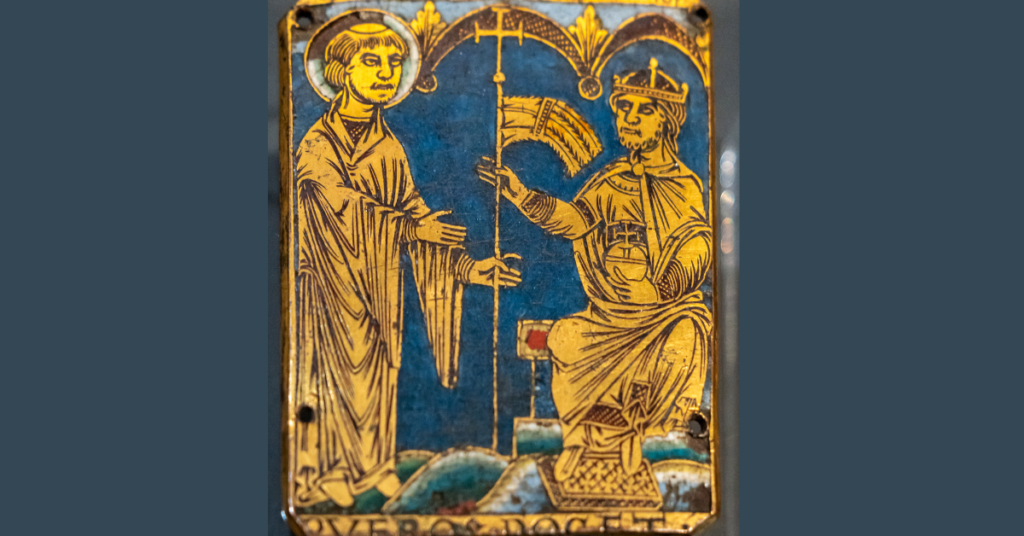

The Holy Roman Empire develops as a decentralized system, where power is shared between the emperor, regional nobles, and the Church. Rather than ruling from a single capital, emperors govern through a network of traveling courts—known as Pfalzen—many located along the Rhine.
Over time, officials like the Count Palatine gain increasing authority, and the region begins to take on a more defined political identity. Under the Salian dynasty, the Rhine becomes the core of imperial power, even as conflicts with the Church—like the Investiture Controversy—limit central control.
This period reinforces a key pattern: efforts to strengthen the empire often end up strengthening the regions instead.
From Hohenstaufen to Wittelsbach
(c. 1125 CE – 1214 CE)
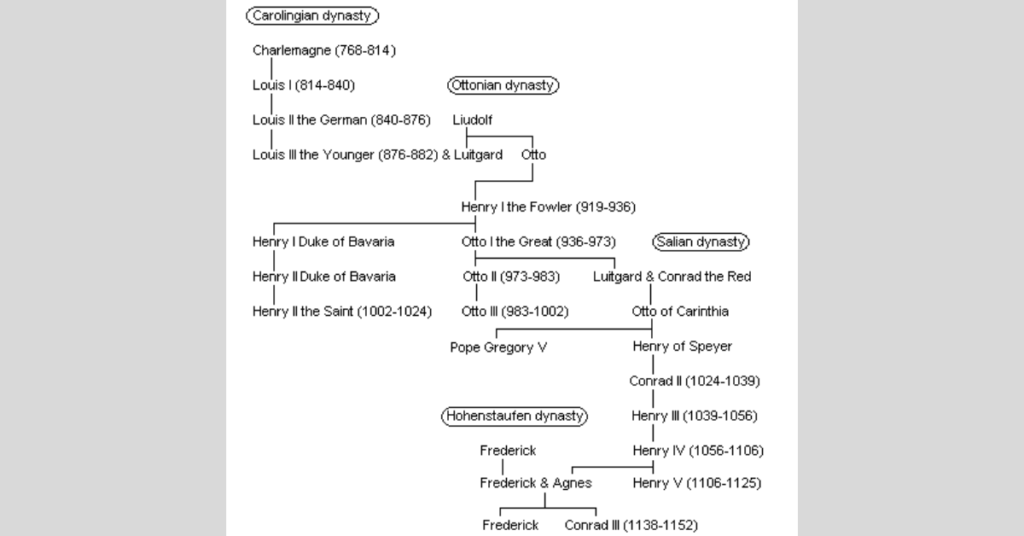

After the fall of the Salian dynasty, the imperial throne becomes contested, with powerful families competing for influence. The Hohenstaufen rulers attempt to restore strong central authority, but rely heavily on regional leaders to maintain control.
In the Rhine region, this dynamic accelerates the rise of local power. The Palatinate shifts from an imperial office into a lasting political territory, and in 1214, it is granted to the Wittelsbach dynasty.
This marks a turning point: authority is no longer temporary or tied to imperial appointment—it becomes hereditary and rooted in the land itself.
The Wittelsbach Palatinate
(c. 1214 CE – 1450 CE)
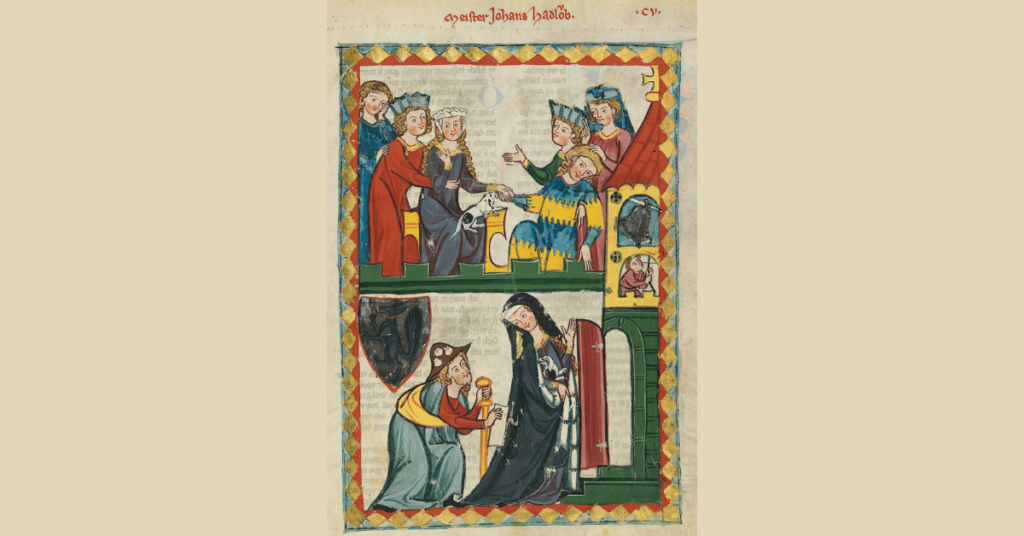

Under the Wittelsbach dynasty, the Palatinate becomes one of the most powerful territories in the Holy Roman Empire. Its rulers expand their influence across regions and play a central role in imperial politics.
With the Golden Bull of 1356, the Palatinate is officially recognized as an Electorate, giving its ruler the authority to help choose the emperor.
At the same time, the region develops culturally and intellectually, with institutions like Heidelberg University and the spread of new ideas through the printing press in nearby Mainz.
By the late Middle Ages, the Palatinate is no longer just a frontier—it is a political, cultural, and economic center of the German world that will eventually give rise to the Pennsylvania Dutch.
Martin Luther and the Seeds of Reformation
(c. 1505 CE – 1550s)
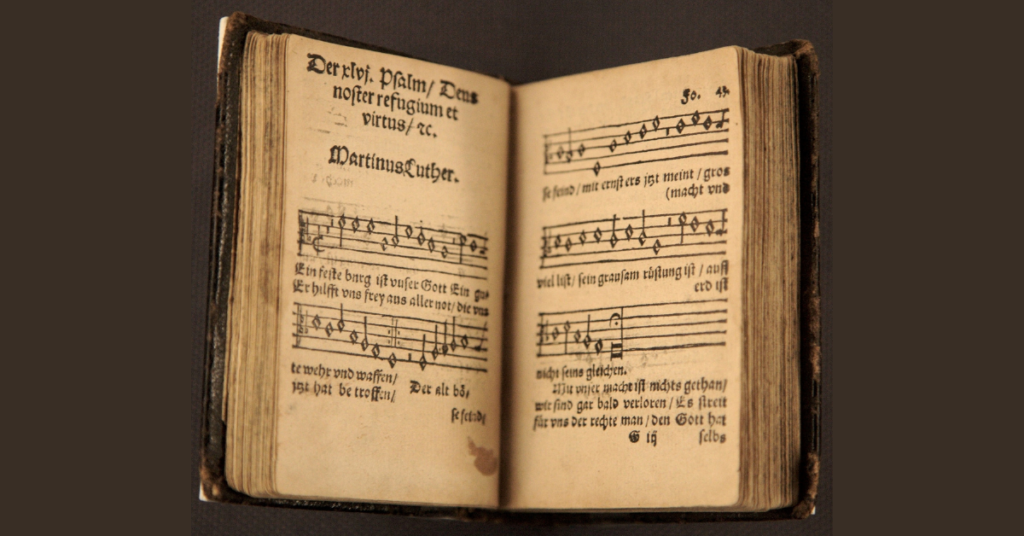

By the early 1500s, the Rhine world is connected, literate, and deeply religious. When Martin Luther challenges Church authority, his ideas spread quickly through the German lands, aided by the printing press and protected by political rulers.
Luther’s emphasis on faith, scripture, and direct access to God reshapes religious life across the empire. His reforms do not just change theology—they fracture the old religious order and create new identities across German-speaking regions.
For the Palatinate, this begins a long period of religious transformation that will shape the communities later known as Pennsylvania Dutch.
The Peace of Augsburg and Rise of Calvinism
(c. 1555 CE – 1600 CE)
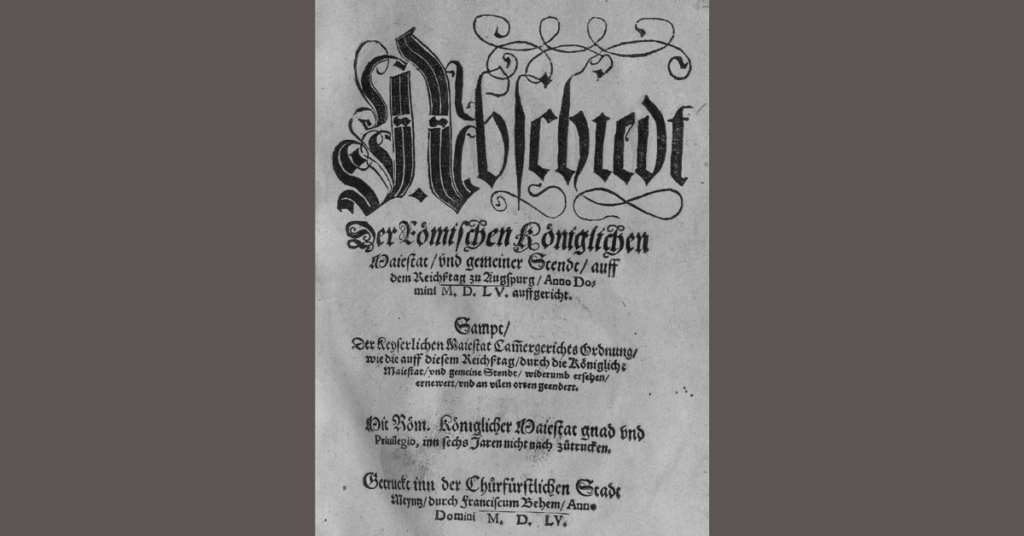

The Peace of Augsburg gives rulers the power to choose the religion of their territory, but it only recognizes Catholicism and Lutheranism. This creates tension as Calvinism spreads through the empire—especially in the Palatinate.
Under Frederick III, the Palatinate shifts toward the Reformed tradition, producing the Heidelberg Catechism and becoming a major Calvinist center. But religious life remains mixed, with Catholics, Lutherans, Calvinists, and Anabaptists living near one another.
This layered religious landscape becomes one of the defining features of the communities that later migrate to Pennsylvania.
The Thirty Years’ War and the Destruction of the Palatinate
(c. 1600 CE – 1648 CE)
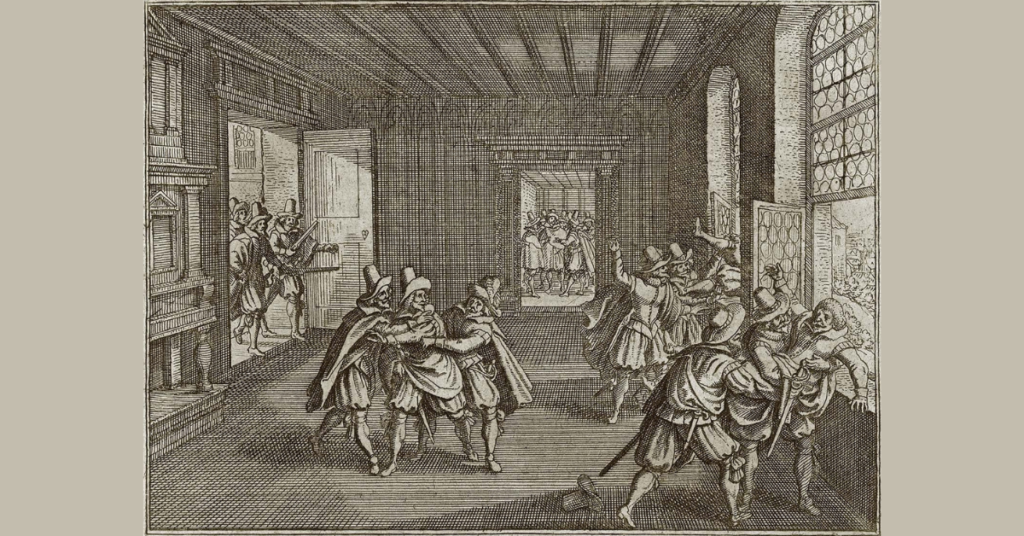
By the early 1600s, the Palatinate is one of the most important Protestant territories in Europe. Under Frederick V, it becomes tied to the wider Protestant cause—but that position makes it a major target when war breaks out.
After Frederick’s defeat as the “Winter King,” the Palatinate is invaded, occupied, and devastated. Towns are damaged, farms are destroyed, disease spreads, and the population declines.
The war leaves the region weakened and unstable, setting the stage for future migration.
Continued War, Recovery, and Repeated Destruction
(c. 1648 CE – early 1700s)
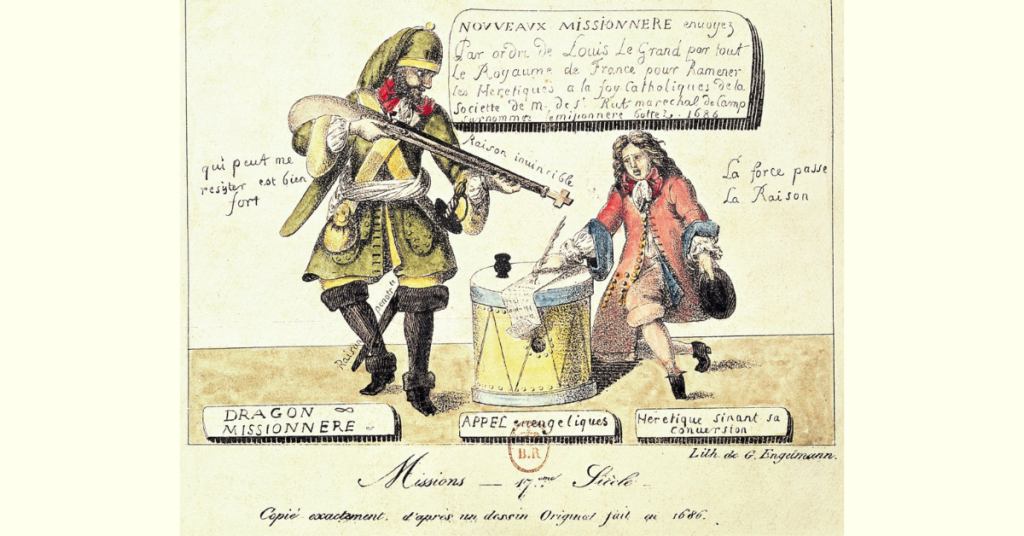
The Peace of Westphalia ends the Thirty Years’ War, but the Palatinate does not simply recover. The region rebuilds slowly, only to face another wave of devastation during the Nine Years’ War.
French forces under Louis XIV invade the Rhineland and systematically destroy towns, villages, castles, and farmland. For many families, this creates a second major catastrophe within a single lifetime.
By the early 1700s, the Palatinate is marked by instability, repeated destruction, and uncertainty—conditions that make migration increasingly rational.
Migration from the Palatinate to America
(c. 1680s CE – 1750s)
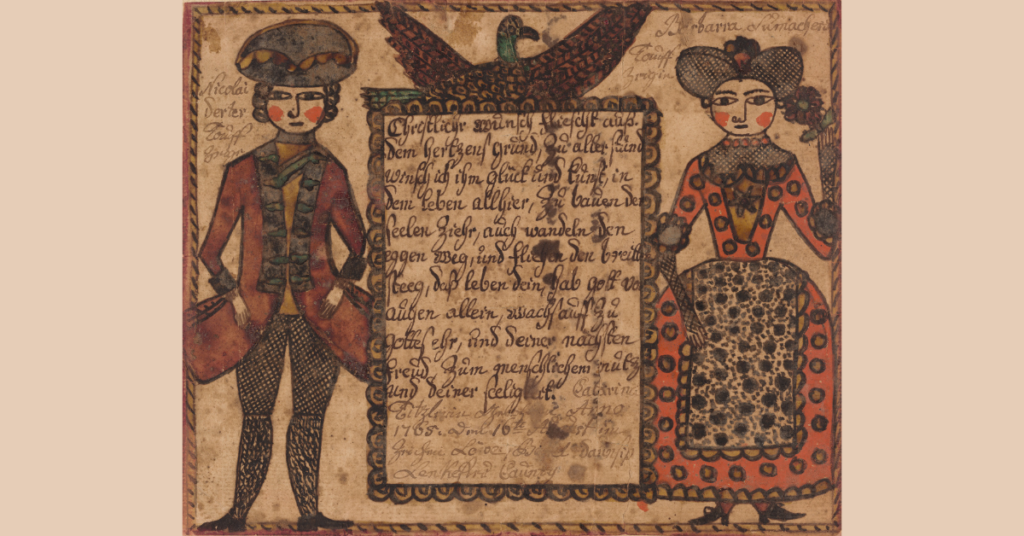
By the late 1600s and early 1700s, many people from the Palatinate and surrounding Rhine regions begin leaving Europe. Some are fleeing religious pressure, while others are escaping war, poverty, and instability.
These migrants include Lutherans, Reformed Protestants, Mennonites, Amish, and other German-speaking groups. Traveling down the Rhine to ports like Rotterdam, many cross the Atlantic and arrive in Pennsylvania, where religious tolerance, farmland, and relative stability offer a chance to rebuild.
Over time, these settlers become known as the Pennsylvania Dutch—from Deutsch, meaning German.