By the 1st century BCE, a new power emerges that will reshape the Rhine region—and the future Palatinate—for centuries: The Roman Empire.
Caesar Reaches the Rhine (55 BCE)
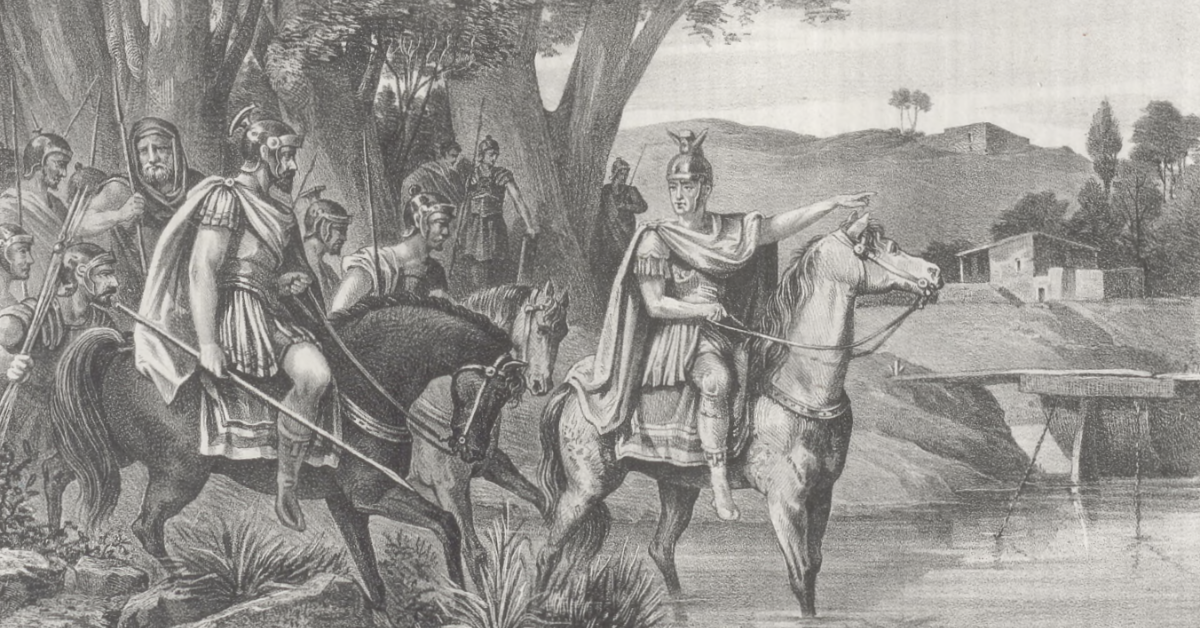
In 55 BCE, the Roman general Julius Caesar pushes his campaign into Gaul (modern France and surrounding regions).
- He reaches the Rhine River, the boundary between Celtic Gaul and Germanic lands.
- In a show of force, he builds a temporary bridge and briefly crosses into Germanic territory. It’s a warning: Rome is now at the doorstep of the Germanic world
Rome Conquers Gaul (c. 58–50 BCE)
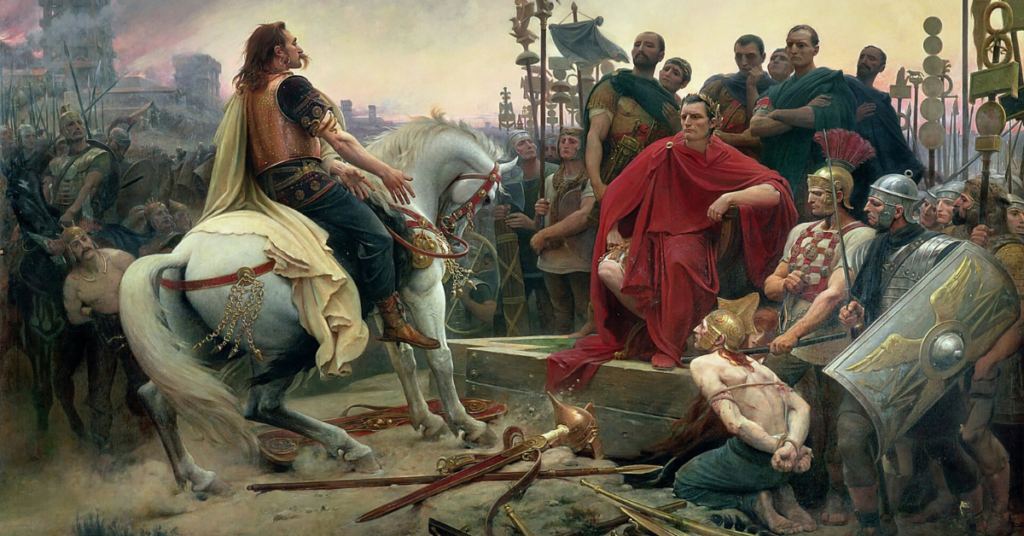

Over the next decade, Caesar completes the conquest of Gaul. All lands west of the Rhine—including the future Palatinate—become Roman
Later, under the emperor Augustus (r. 27 BCE–14 CE), Roman control is formalized and expanded. The region is organized into provinces, including Germania Superior.
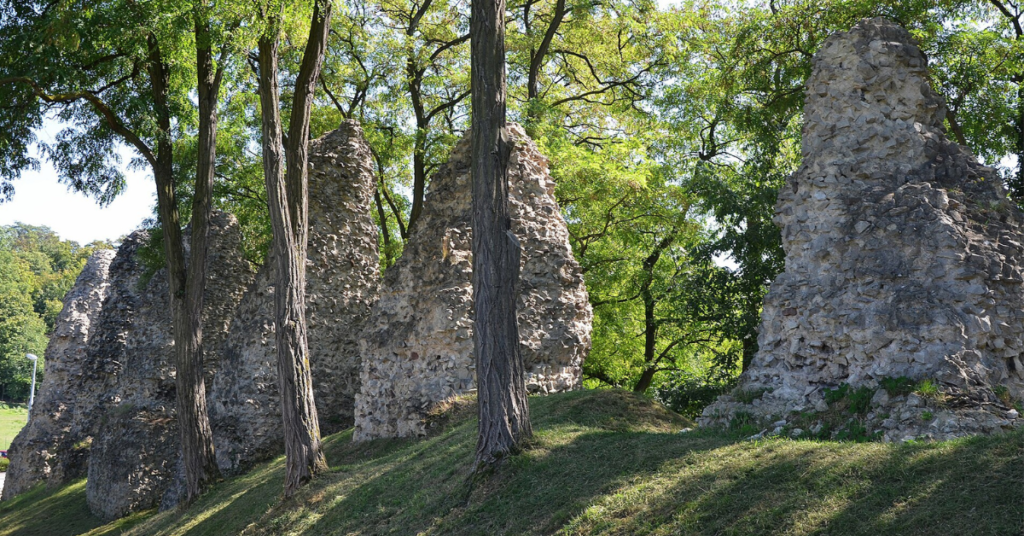
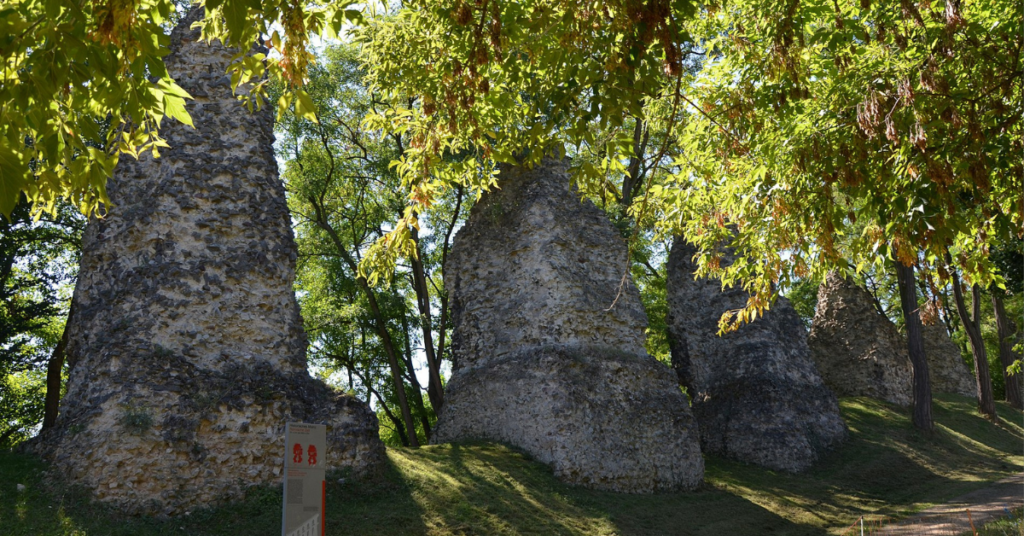
Mainz (Mogontiacum): A Roman Power Center
,_Germany_(9678983995).jpg)
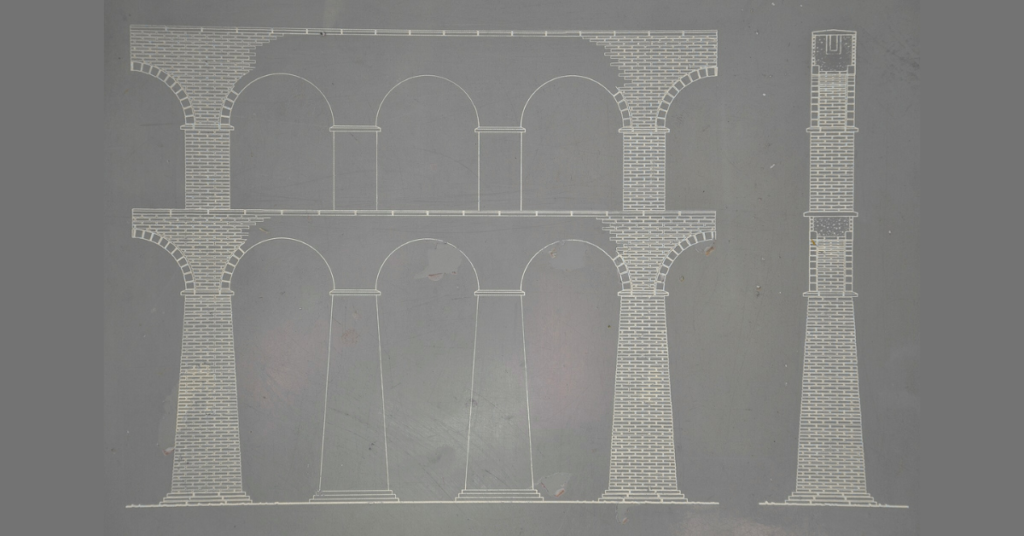
The city of Mainz becomes Mogontiacum, a major Roman center. From here, Rome:
- Stations legions
- Builds roads and forts
- Controls movement along the Rhine
But Rome doesn’t initially plan to stop at the Rhine. Roman armies push east into “Germania”, and the goal is to fully incorporate Germanic lands into the empire.
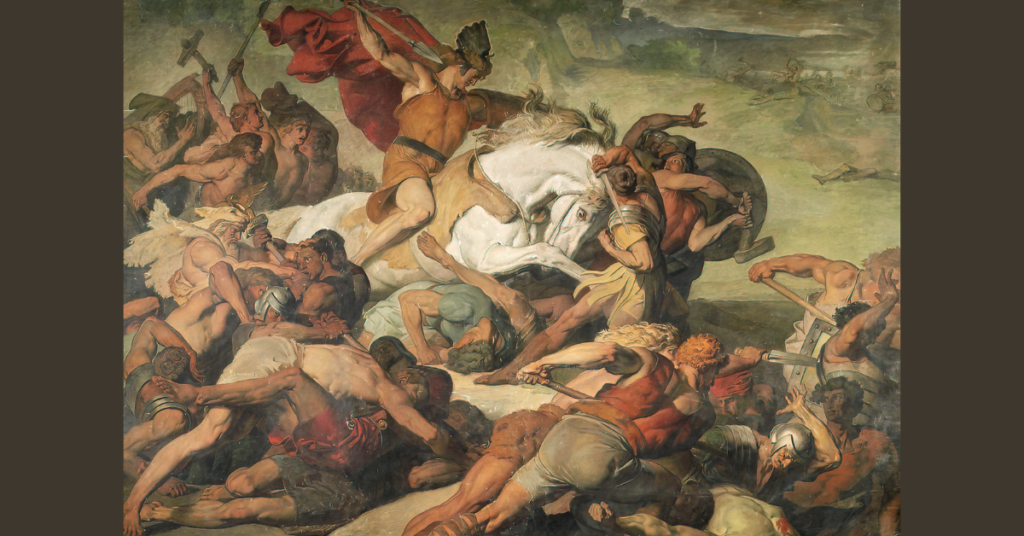
Battle of the Teutoburg Forest (9 CE)
_at_the_battle_of_the_Teutoburg_Forest_in_9_CE_by_Peter_Jannsen,_1873,_with_painting_creases_and_damage_removed.jpg)
Three Roman legions (15,000–20,000 soldiers) are ambushed and destroyed, led by the Germanic leader Arminius. Suffering one of the worst military defeats in their history, Rome abandons large-scale expansion east of the Rhine.
Instead, they pull back their border to the Rhine and build defensive systems (forts, watchtowers, roads—known as the Limes).