
A few months ago, Young Ones Records hosted a listening party for Morrissey’s new album Make Up Is a Lie. Kutztown was one of several Pennsylvania locations listed on the official website.
Seeing the word “Kutztown” there produced a strange sense of excitement. It felt oddly significant that this small Pennsylvania town was connected, however briefly, to the orbit of Morrissey and Manchester music.
The event itself was small. Maybe fifteen people showed up. But that almost made it feel more meaningful. Everyone there had made a deliberate decision to spend part of their evening listening to a new Morrissey record in the back of a local record store in rural Berks County.
Afterward, I ended up buying The Gay Ranchero, which sent me into a month-long obsession with 1950s music. That music started bleeding into my own songwriting almost immediately. Suddenly I was listening to old vocal harmonies, early rock and roll, cowboy records, and novelty songs that somehow felt connected to the same emotional universe as Morrissey.
Later, I started wondering how this happened in the first place.
Why would a small Pennsylvania town connect so deeply to Morrissey and Manchester music? Why did so many people from places like Kutztown independently arrive at the same artists, aesthetics, and emotional sensibilities?
Hearing Something Before You Understand It
Like much of my musical taste, I can certainly thank my mom for my Morrissey obsession. She had already gotten me into The Smiths before we saw Morrissey live together in Reading, Pennsylvania in 2013.
At the show, I remember spotting my high school Spanish teacher in the crowd. At the time, it felt strange and vaguely funny seeing a teacher outside of school at a Morrissey concert. Then again, Morrissey does have a cult following among Mexican-Americans. Ceci Bastida, member of the Tijuana-based Morrissey-tribute band Mexrrissey, explains:
“I think Mexican people love melodrama, we tend to have a very dark humor,” she says. “We connect with [Morrissey’s music] because it doesn’t seem that foreign to us, we can identify with him very easily… A lot of traditional Mexican music talks about love, loss, betrayal, pain—so in a way, it’s ingrained in us.”
Years later, I was thinking about that concert and realized how incredible it would have been to hear “People Are the Same Everywhere” live. I looked up the setlist and discovered he actually had played it that night.
I had already heard the song in person. I just didn’t really listen to it.
At the time, the song meant nothing to me because I didn’t yet know it. I lacked the context, emotional connection, and familiarity necessary to fully perceive what I was experiencing. The moment passed through me without fully registering.
Songs change once you gain the historical, emotional, or personal knowledge necessary to understand them. The same song can feel entirely different years later because the listener has changed.
Places work the same way.
A town, a building, or a landscape can appear ordinary until you understand the histories embedded within it. Once that context is gained, the experience of the place changes completely. Historical knowledge does not just add information—it transforms perception itself.
The Kutztown–Manchester Connection
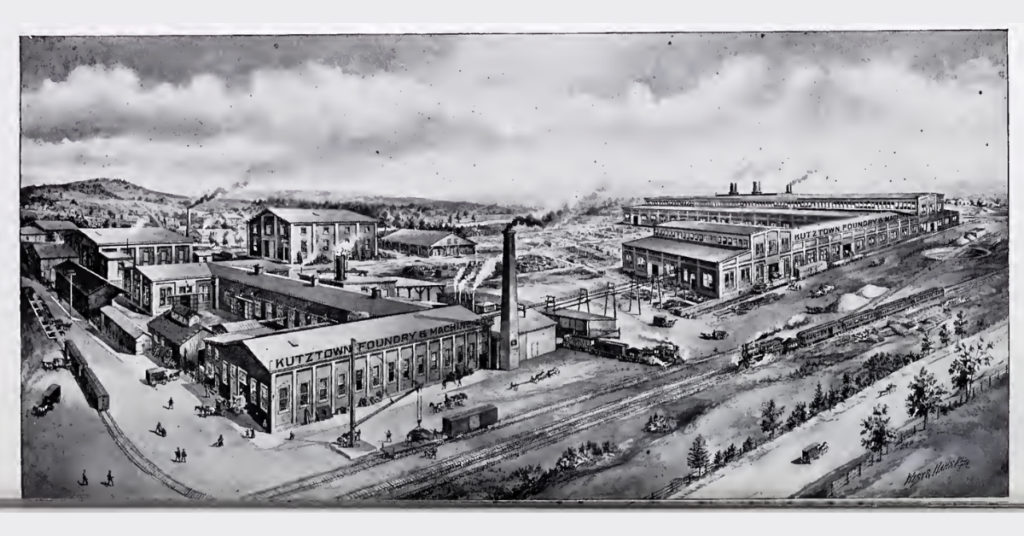
Kutztown is often presented as a quaint rural college town, but that image leaves out a major part of its history. Like many Pennsylvania towns, Kutztown was shaped by industrialization in the late nineteenth and early twentieth centuries. The remnants of that world are still visible today.
If you stand near the train station (up the road from Dunkin’), you can still see traces of the industrial geography that once structured everyday life. The old Silk Mill remains nearby. The shoe factory is still there. Other industrial buildings continue to sit quietly in the landscape.
One can imagine the older rhythm of the town: workers arriving by rail, stepping off the train, and walking directly to the factories before returning home at the end of the day. Industrialization was not just an economic process—it physically organized how people moved through space, how they experienced time, and how communities formed around labor.
Manchester, meanwhile, is one of the defining industrial cities of the modern world. Its landscape of red brick factories, dense worker housing, and industrial infrastructure shaped the emotional and social conditions that later produced its music culture.
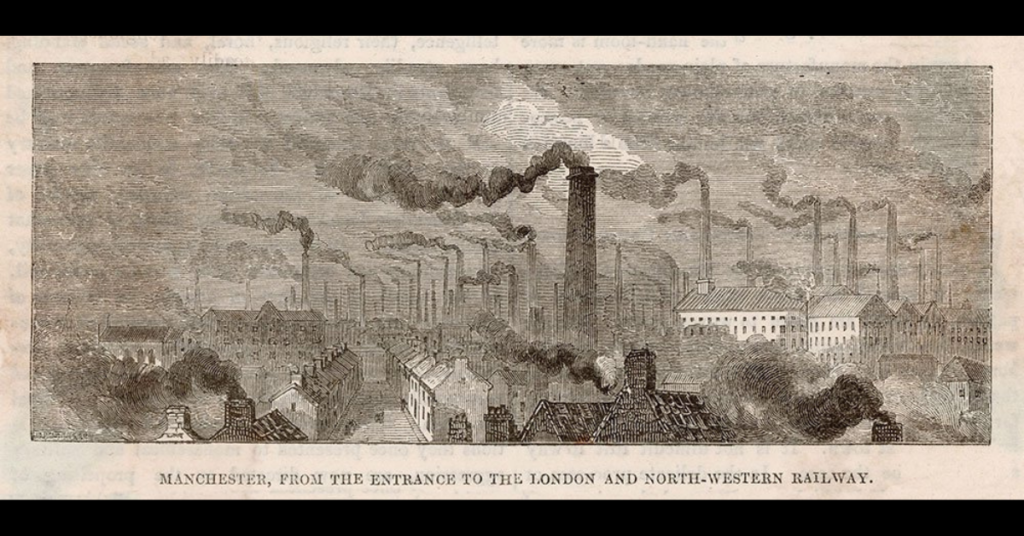
Friedrich Engels documented these conditions in The Condition of the Working Class in England, describing the alienation, exhaustion, and fragmentation produced by industrial labor.
But Manchester culture did not emerge only from industrialization itself. It also emerged from deindustrialization—from the collapse of factories, the disappearance of stable labor structures, and the lingering emotional atmosphere left behind afterward. That atmosphere runs through Manchester music:
- The Smiths
- Joy Division
- Happy Mondays
- Oasis
- The Stone Roses
The longing, humor, alienation, romanticism, and emotional intensity in these bands did not appear from nowhere. They emerged from specific historical and material conditions.
Kutztown is obviously not Manchester. But listeners from places like Kutztown can still recognize something emotionally familiar in this music, even if they do not consciously know why.
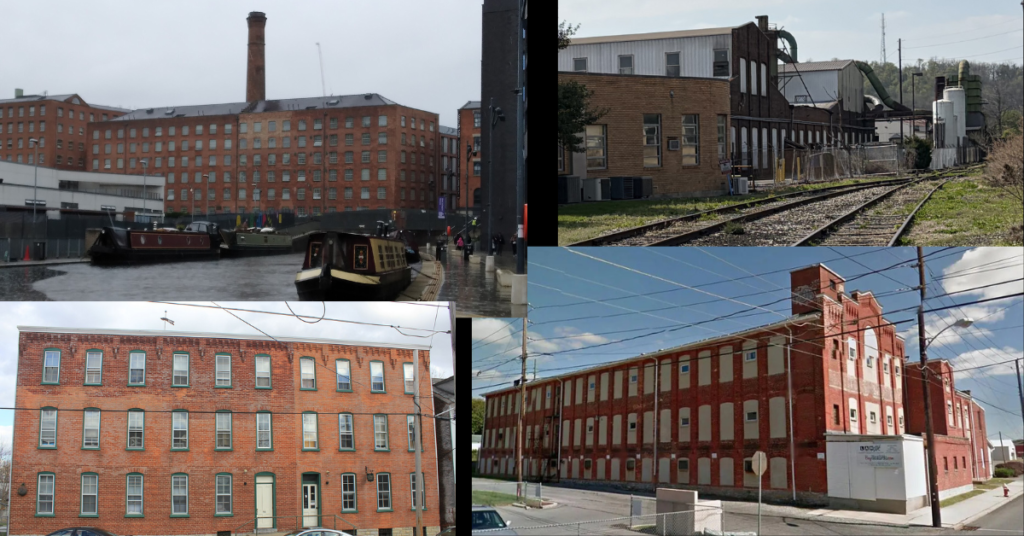
The industrial remnants, the working-class inheritance, the sense of cultural transition, and the feeling of existing between older and newer worlds all create conditions that make this music legible on an emotional level.
Much of Morrissey’s work is ultimately concerned with these same tensions: inheritance versus individuality, historical obligation versus personal desire, structure versus self-creation. Those contradictions are condensed clearly in one of his most iconic songs: Irish Blood, English Heart.
Irish Blood, English Heart
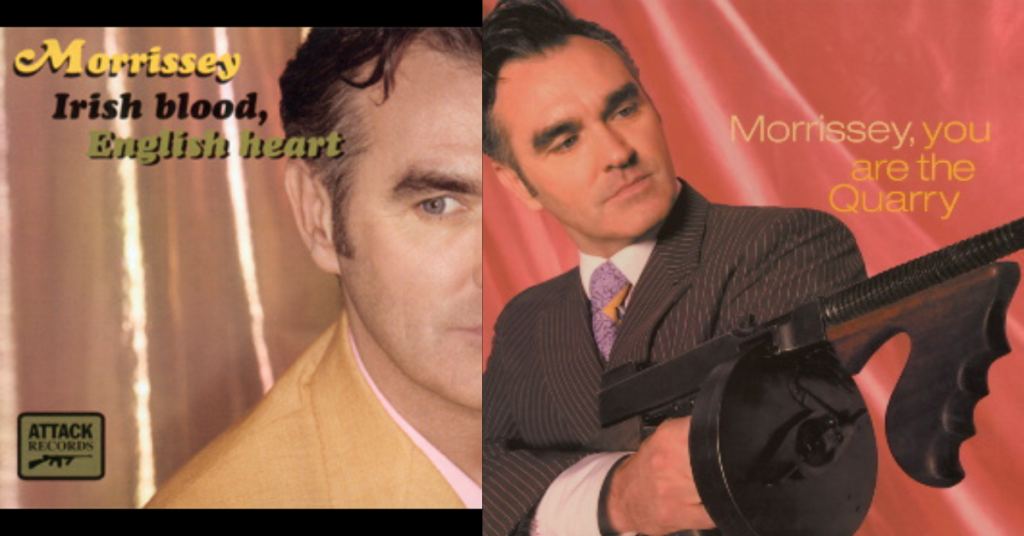
Irish Blood, English Heart can be understood as more than a political statement or expression of national identity. The phrase itself contains two different inheritances.
“Irish blood” points toward a more Catholic understanding of identity—one rooted in duty, law, continuity, and destiny. Blood is inherited. One does not choose it. It ties the individual to family, history, and structures that precede them. Identity, under this framework, carries weight. It is bound to obligation and historical continuity.
“English heart,” by contrast, points toward a more Protestant inheritance—especially in the Lutheran sense explored earlier through “es muss sein.” The heart represents inwardness, individuality, grace, and creation. It is not rooted in external law, but in internal orientation. Where blood is destiny, the heart is grace.
This contradiction appears constantly throughout Morrissey’s work and persona. He embodies inherited structure and radical individuality at the same time:
- working-class Catholic inheritance alongside artistic self-creation
- masculine presentation alongside emotional vulnerability
- romantic longing alongside pragmatic acceptance
Rather than resolving these tensions into one stable identity, he carries both simultaneously.
The Spirit of Morrissey in Kutztown
Today this contradiction can appear in seemingly minor cultural decisions. A young person might feel divided between competitive athlete identity and artistic or indie identity. One side emphasizes structure, discipline, and external expectations; the other emphasizes introspection, individuality, and creativity.
These identities can feel opposed, but they emerge from overlapping historical inheritances that continue to shape modern life.
Morrissey becomes compelling because he refuses to collapse these contradictions into a single image. He carries blood and heart, destiny and grace, obligation and desire all at once.
That unresolved tension is part of why his work resonates in places like Kutztown, where historical inheritance and modern individuality continue to exist side by side. As Morrissey sings in Make Up Is a Lie’s “The Night Pop Dropped”:
“How empty life would be if we had never known.”
“The best thing you can do is be yourself”