
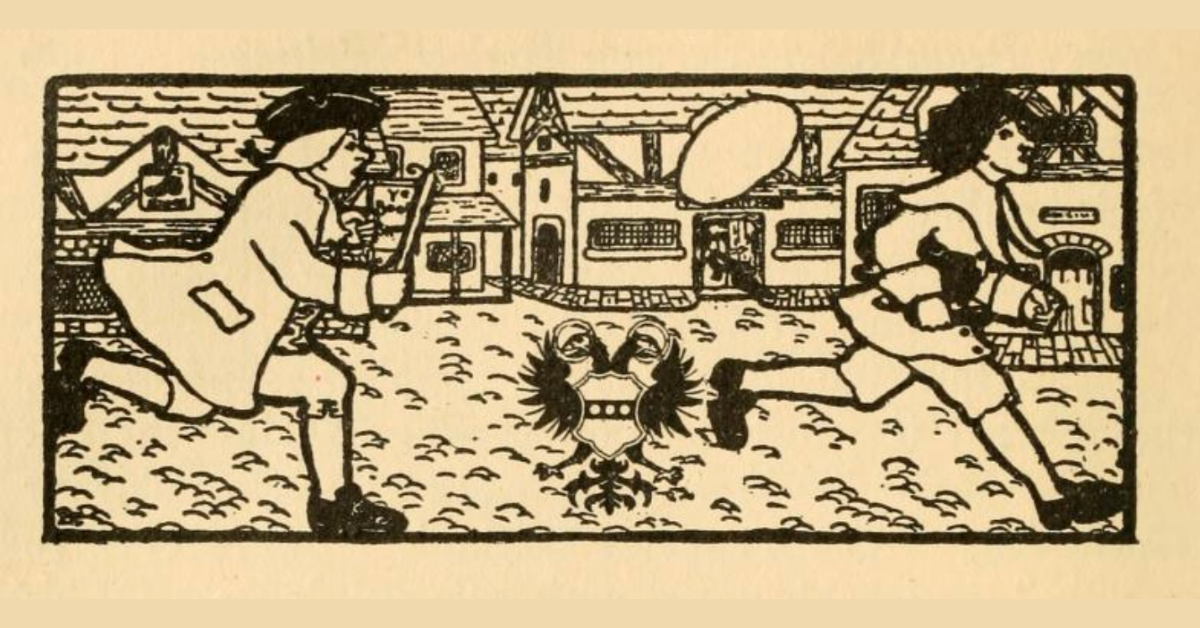
Kutztown’s history does not begin with George Kutz—or even with European settlement. It begins thousands of years earlier, with the Native peoples who lived across the forests, waterways, and trade routes of eastern Pennsylvania.
Over time, this landscape changed through contact, colonization, migration, farming, town-building, Pennsylvania Dutch culture, industrialization, and national events. This overview traces the major stages that shaped Kutztown, with each section linking to a deeper article on that period.
Kutztown Before Settlement
c. 10,000 BCE – 1700s
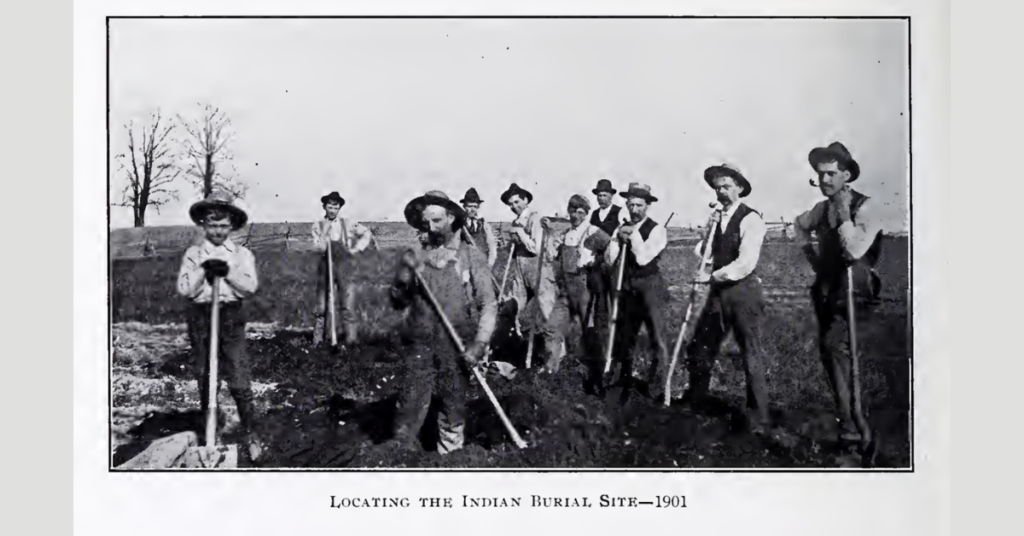
Long before Kutztown exists, this region is part of a living Native world shaped by the Lenape and earlier peoples over thousands of years. Forests, waterways, and trade routes form a connected landscape where communities live, move, and adapt.
With the arrival of Europeans, this world begins to change—disease spreads, trade shifts power, and land takes on new meaning. By the early 1700s, the region is no longer fully Native or European, but a place in transition.
William Penn and the System of Land and Settlement
c. 1681 – early 1700s
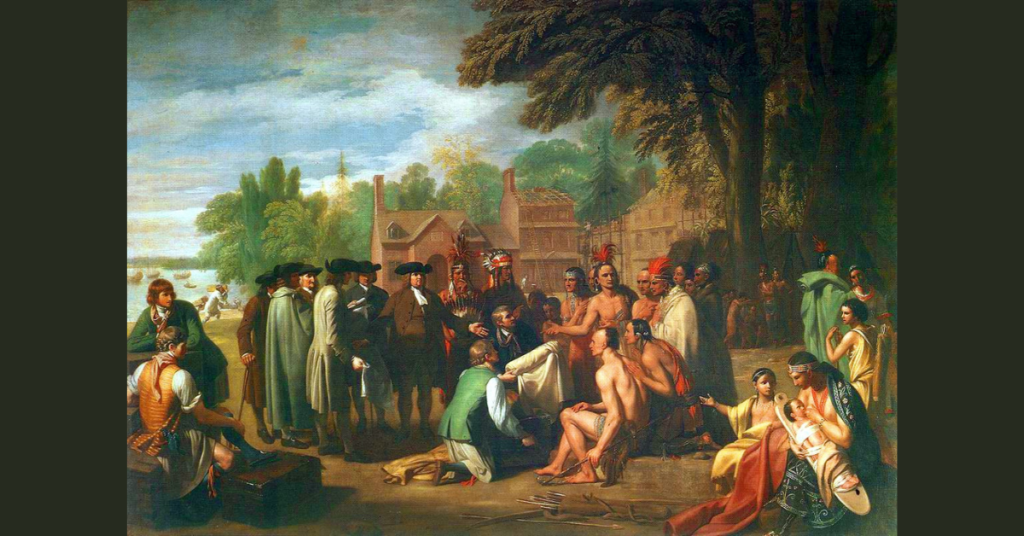

When William Penn founds Pennsylvania in 1681, he introduces a new system of land, governance, and settlement shaped by Quaker ideals. Through treaties, migration, and organized land distribution, the colony begins to take form.
What follows is a transformation of the landscape itself—shared land becomes owned, settlements become fixed, and new communities begin to emerge. These foundations set the stage for inland expansion toward places like Kutztown.
From Penn to Expansion: Debt, Displacement, and Inland Settlement
c. early 1700s – 1750s
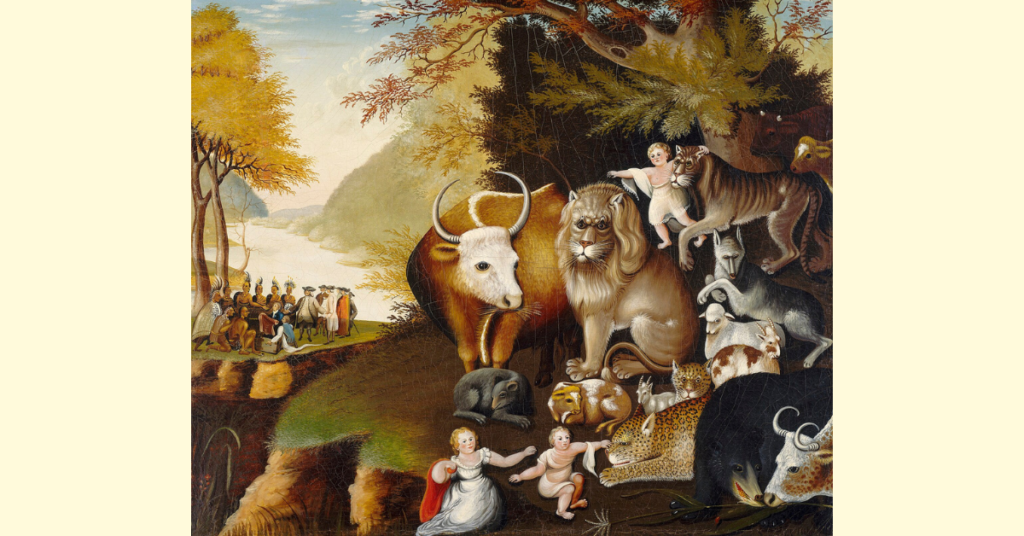

After Penn’s death, his system begins to shift. Land becomes a financial asset, treaties break down, and expansion accelerates into the interior.
As settlement pushes westward, Native communities are displaced and new farming regions take shape. By the mid-1700s, the Kutztown area is no longer a frontier—it is becoming a structured agricultural landscape, ready for the emergence of towns.
The Founding of Kutztown: George Kutz and the Making of a Town
c. 1740s – 1815
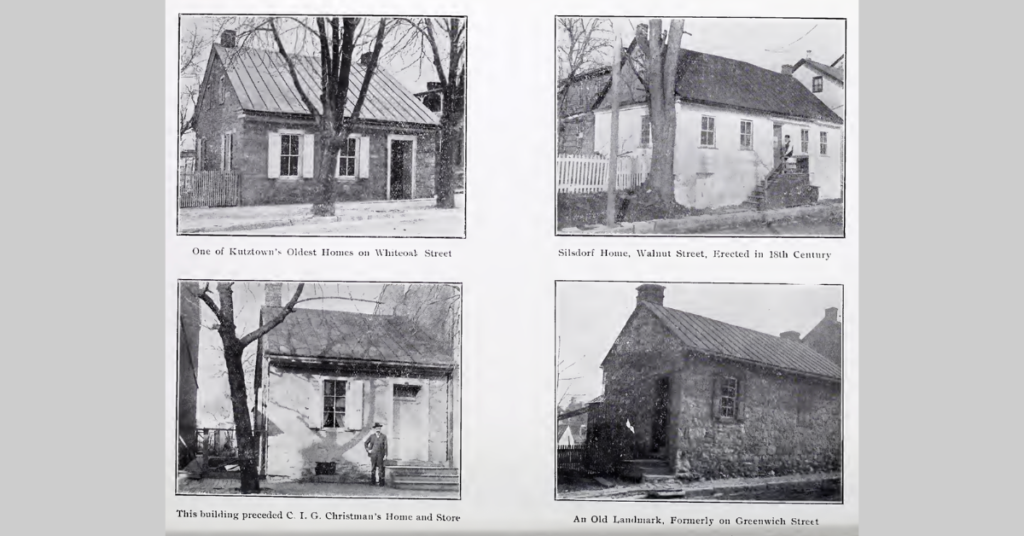
By the mid-1700s, the Kutztown area is no longer a frontier, but a growing agricultural region in need of a central place. With the purchase of land and the presence of crossroads like Kemp’s Hotel, the conditions for a town begin to form.
In 1779, George Kutz lays out Kutztown, transforming scattered farms into a concentrated settlement. By 1815, incorporation formalizes this shift, turning a local hub into a self-governing borough.
Kutztown in the 19th Century: Growth, Industry, and Connection
c. 1800 – 1876
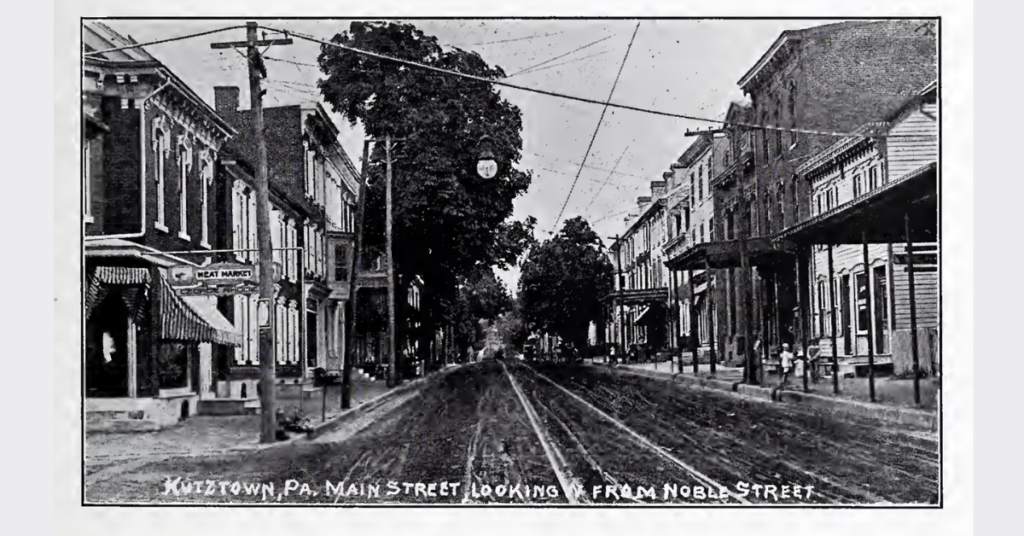
During the 19th century, Kutztown grows from a small market town into a connected community with roads, schools, banks, newspapers, and civic institutions. Population growth, transportation, and the Civil War pull the town more deeply into regional and national life.
By the 1870s, Kutztown is no longer just a rural Pennsylvania Dutch settlement. It is becoming a fully formed town with industry, public life, education, and its own internal divisions.
Kutztown in the Age of Industrialization
c. 1876 – World War II
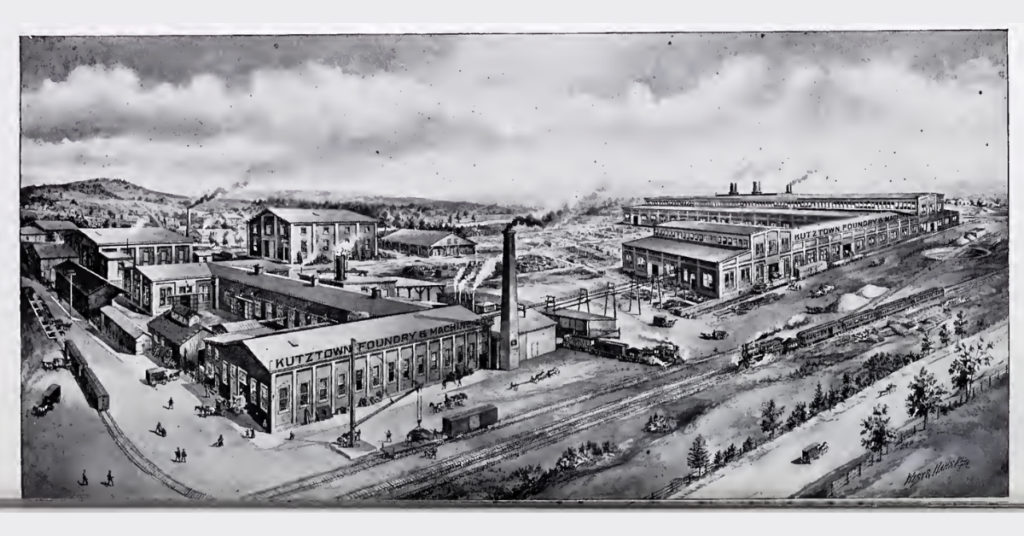
After 1876, Kutztown becomes increasingly modern as factories, wage labor, public utilities, trolley lines, schools, parks, and entertainment reshape daily life. The town remains rooted in Pennsylvania Dutch culture, but it is now tied more closely to industrial systems and American public life.
World War I, the Spanish flu, the Great Depression, the New Deal, and World War II all leave their mark. By the mid-20th century, Kutztown has become a modern small town shaped by both local tradition and national change.