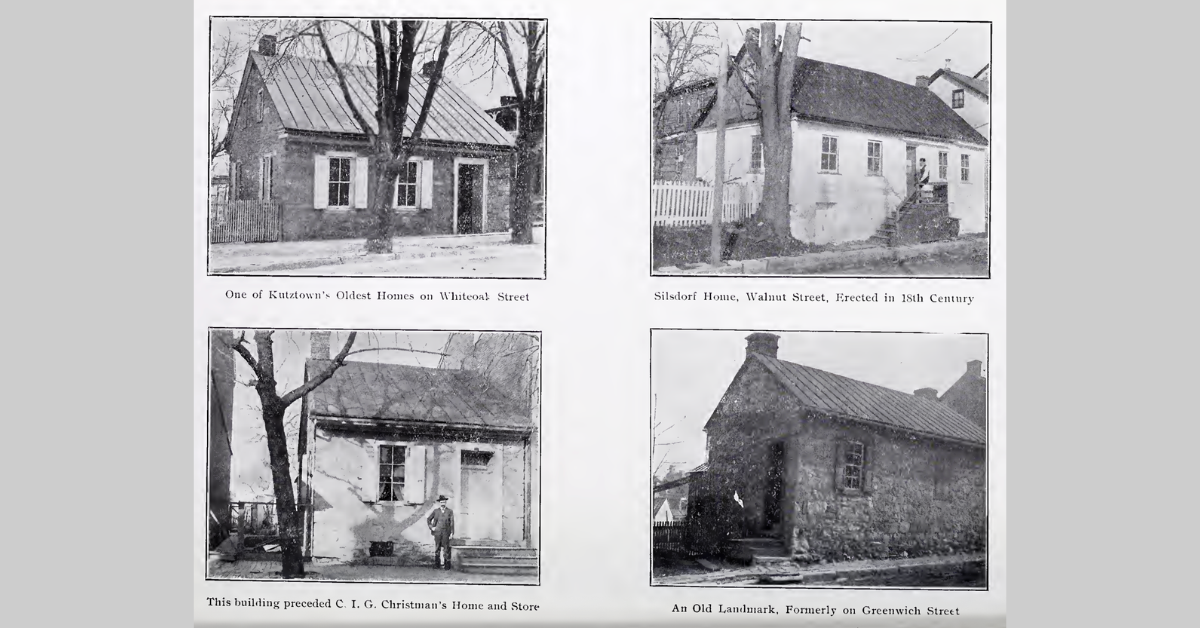
By the mid-1700s, the region that will become Kutztown is no longer a frontier in the early sense. Land has been surveyed, farms have been established, and communities are forming across Berks County.
Kemp’s Hotel: A Crossroads Before the Town
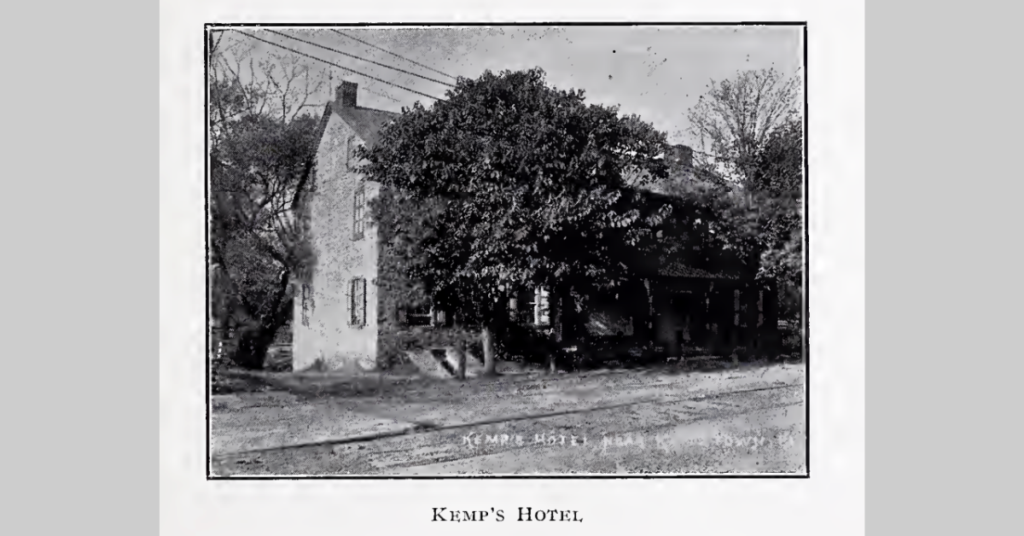
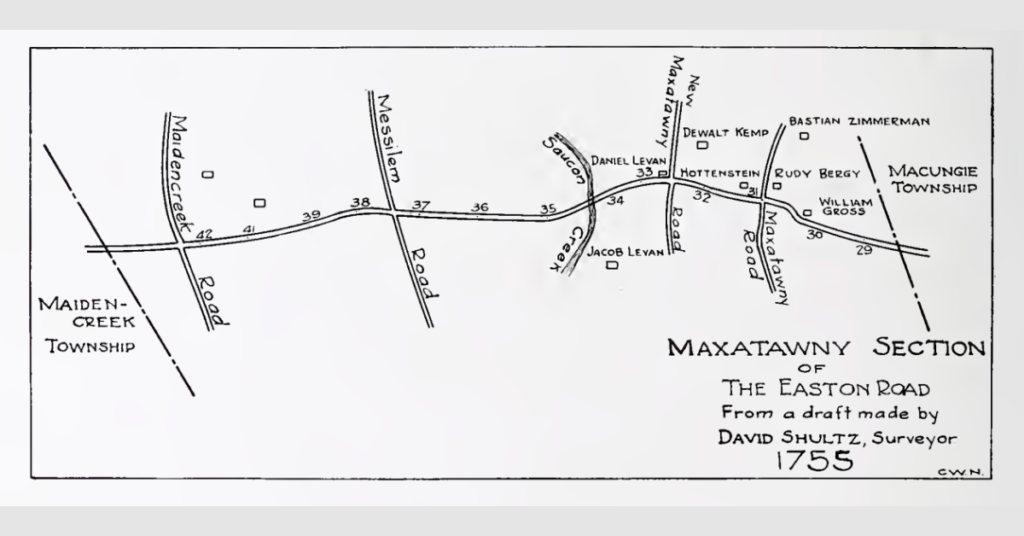
Before Kutztown is formally laid out, the area already contains something essential to its future development: a point of convergence. At the intersection of the Great Road (later the Easton Road) and the New Maxatawny Road, an early structure emerges that will eventually become known as Kemp’s Hotel.
By the mid-1700s, Daniel Levan is associated with the property. He is described in tax records as a “taverner” and is already among the more prosperous inhabitants of Maxatawny Township by 1754.
In a sparsely settled region, a place like this serves multiple functions at once:
- A stop for travelers
- A hub for goods moving along developing roads
- A center for news and information
By 1755, the site is already prominent enough to appear on a map of Berks County. Even if travelers describe it as cold or poorly kept, its importance lies in its location—it draws people together.
During the Revolutionary period, figures such as John Adams and members of the Continental Congress pass through the area, stopping at the tavern.
After the war, the site evolves. In 1784, George Kemp takes over the property and expands it to meet increasing traffic along the Easton Road, including Conestoga wagons moving goods and settlers westward.
George Kutz: From Settler to Founder
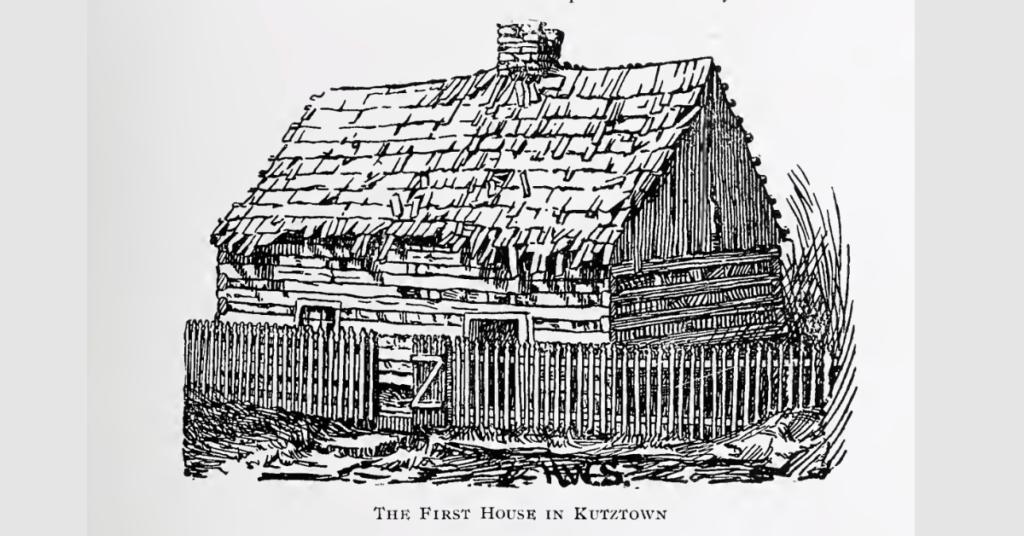
The land that will become Kutztown is part of a larger tract patented to Peter Wentz in 1728, totaling roughly 1,000 acres. In 1755, Wentz conveys a portion of this land—about 130 acres—to George Kutz.
George Kutz is part of the broader wave of German-speaking migrants moving into Pennsylvania in the early 1700s. Like many in the region, he is connected to the migration from the Palatinate and surrounding areas.
He is not a noble or political figure, but something more typical of the region: a landowner and participant in a growing rural economy. The land he controls is strategically positioned:
- Along developing travel routes
- Within a productive agricultural region
- Near existing farms and settlements
By the mid-1700s, this positioning matters. The region is no longer isolated farms—it is becoming a connected system that needs a central point of exchange. In 1779, George Kutz formally lays out a town on his land and names it after himself: “Cootstown.” This involves:
- Dividing land into smaller lots
- Establishing a basic street layout
- Making space available for settlement and commerce
Ground Rent, Governance, and Early Growth
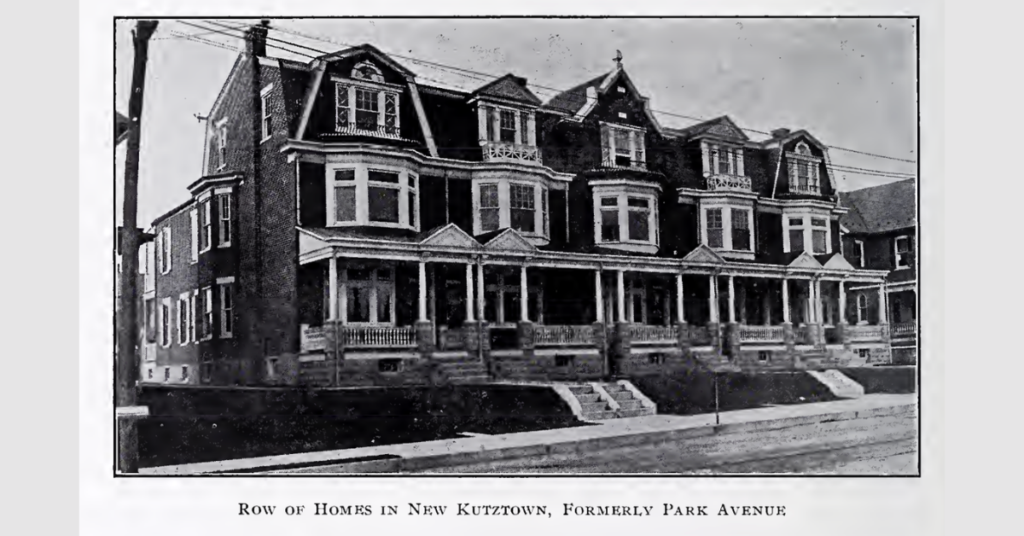
Kutztown is not immediately a fully independent town. Like many early settlements, it operates under a system of ground rent, where residents pay annual fees to the landholder rather than owning property outright.
This slows early growth. By the late 1700s, the town remains relatively small, with only a modest number of dwellings clustered along its roads.
Over time, however, population increases and local needs change. By 1817, Kutztown has:
- 106 taxable residents
- A total valuation of $56,465
By 1835, it grows to:
- 159 taxables
- 105 dwellings
- Around 800 residents
Incorporation and the Shift to Local Control
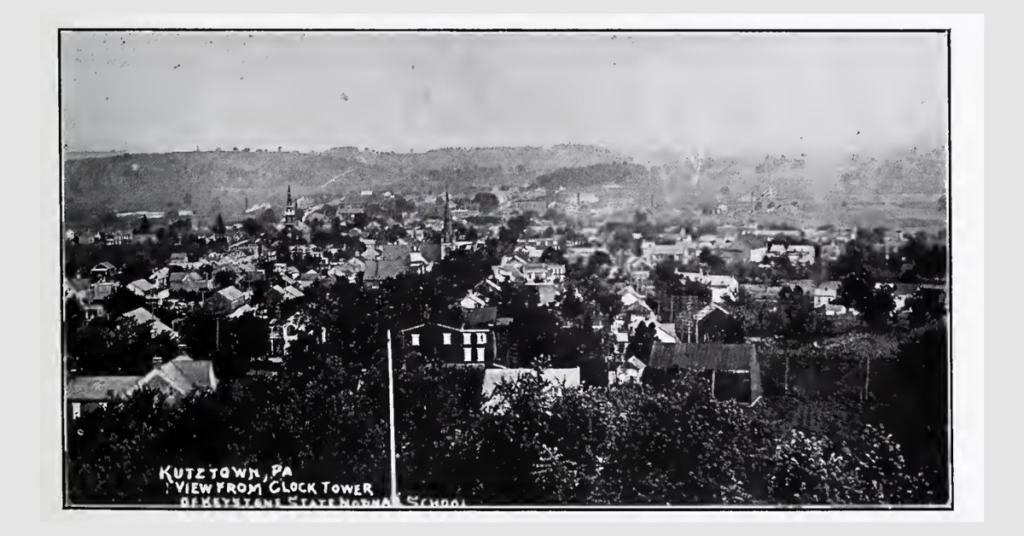
As the town grows, the need for local governance becomes clear. In 1815, Kutztown is officially incorporated as a borough—the second in Berks County after Reading.
The borough is established by a special Act of Assembly, modeled after earlier legislation used to incorporate Reading. The new borough includes land drawn from Maxatawny Township and is situated along the Sacony Creek in the northeastern part of the county.
Incorporation marks a major transition:
- Authority shifts from private landholding to public governance
- The town gains the ability to elect officials
- Local decisions are made within the community itself
Kutztown Becomes a Pennsylvania Dutch Community
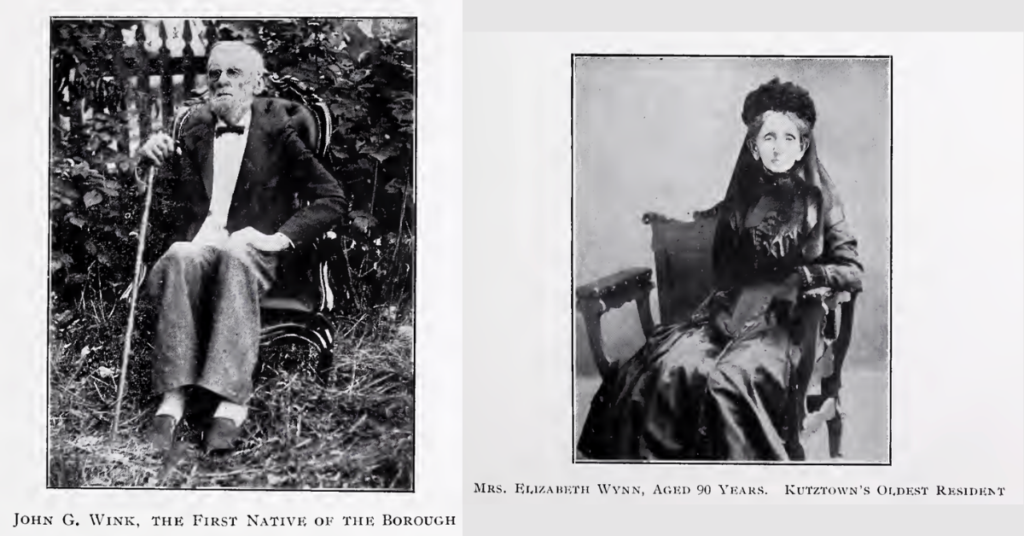
Kutztown becomes a place where a distinct way of life begins to take shape—one rooted in migration, religion, and the rhythms of rural society. While the town itself is newly established, the people who settle there bring with them traditions that are already centuries old.
A German-Speaking World
The population of early Kutztown is overwhelmingly made up of German-speaking settlers. These are the migrants and descendants of those who arrived from the Palatinate and surrounding regions in the late 1600s and early 1700s. They bring with them a shared language:
- Deutsch (German dialects) spoken in everyday life
- A mix of regional speech patterns that gradually blend into what becomes known as Pennsylvania Dutch
Even as the broader colony develops under English rule, Kutztown remains culturally German in its daily life. This language is not just a means of communication—it becomes a marker of identity:
- Used in homes, churches, and local interactions
- Passed down across generations
- Distinct from English-speaking colonial society
Religion as a Foundation
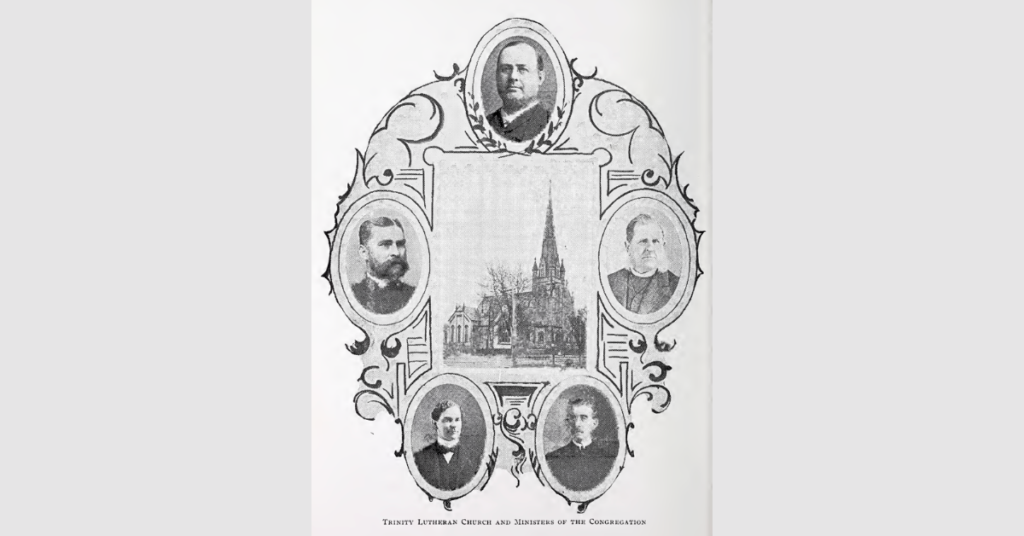
Religious life plays a central role in shaping the community. The two dominant traditions are:
- Lutheran
- Reformed (Calvinist)
These are the same traditions that took root in the Palatinate during the Reformation. In Kutztown, they continue as organizing forces of community life. Churches are not just places of worship—they are:
- Centers of education
- Gathering places for families and neighbors
- Anchors of social structure
Congregations help define community boundaries, social relationships, and moral and cultural norms. At the same time, smaller groups—such as Anabaptists—exist nearby, often maintaining more separate, rural lifestyles.
Farming, Land, and Daily Life
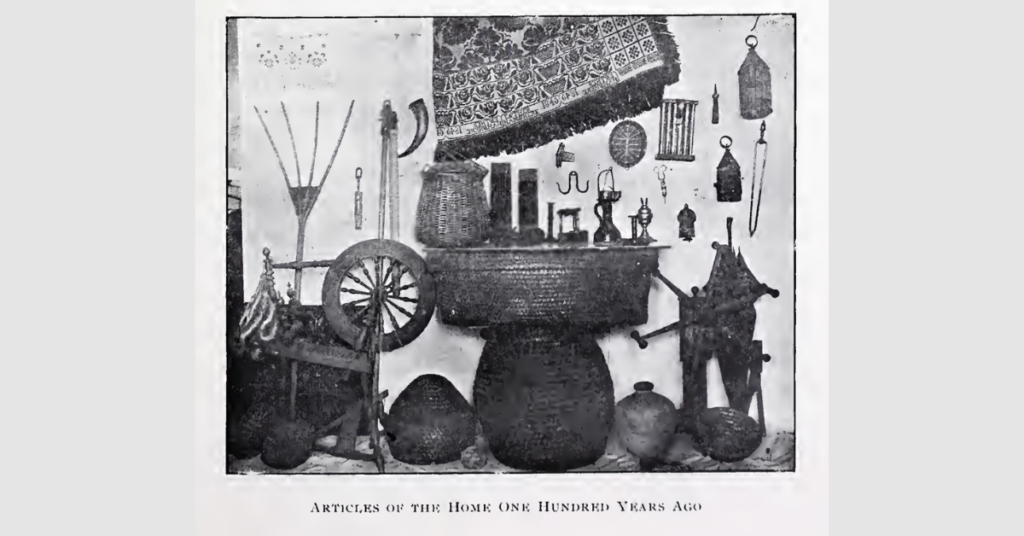
Kutztown exists within an agricultural world. The town itself is a hub, but its life depends on the surrounding farms. Daily life is structured around:
- Seasonal agricultural cycles
- Family labor and household production
- Local trade and exchange
Farms produce crops for sustenance and sale. The town and countryside are not separate—they function as a single system.
Institutions and Infrastructure Form
As Kutztown grows, it develops the institutions that turn a settlement into a community:
- Churches and meetinghouses
- Schools and informal education systems
- Local businesses and trades
Over time, these are joined by civic organizations, early forms of financial activity, and shared spaces for gatherings and events. These institutions give the town structure beyond individual farms or families.
By the late 1700s, Kutztown is no longer just a newly founded town. It is part of a larger regional and colonial system:
- Connected by roads to towns like Reading and Allentown
- Linked economically to Philadelphia
- Integrated into the broader development of Pennsylvania
Kutztown is both a local, self-contained community and a node within the growing colonial network.
Continued Migration and a Mixed Inheritance
Even as communities like Kutztown took shape in the late 1700s, the Pennsylvania Dutch world was not fixed or uniform. It continued to grow through migration, intermarriage, and movement across the region.
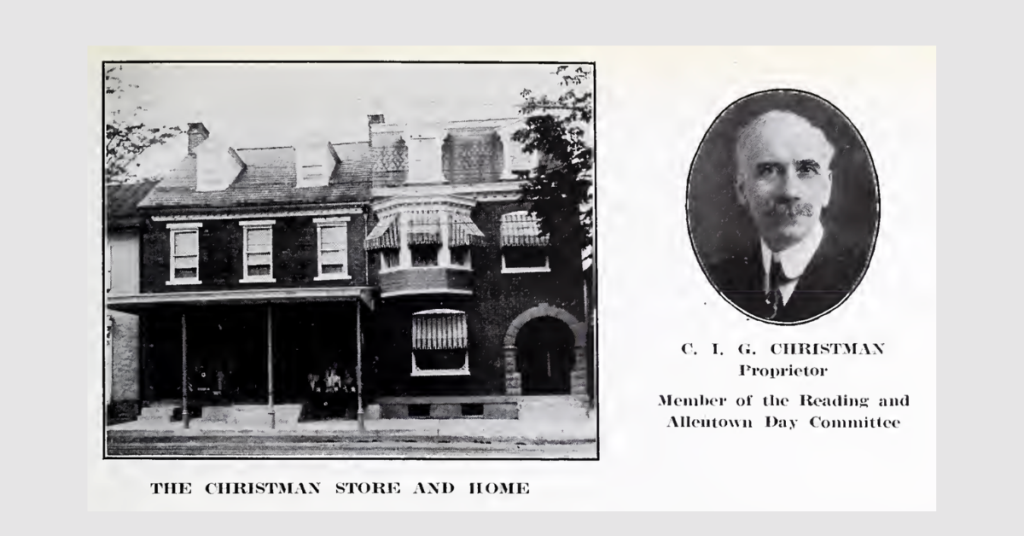
One example comes from the Christman family. Jacob Christman, born in 1711 in Württemberg, arrived in Philadelphia in 1736 and settled in nearby Lehigh County as a farmer. His story reflects a broader pattern: migrants from different German-speaking regions—Palatinate, Württemberg, Switzerland—arriving within the same decades and establishing roots across eastern Pennsylvania.
Over generations, these families did not remain isolated. They moved between townships, married into other local families, and gradually formed the interconnected communities that came to define the region.
By the 19th and early 20th centuries, descendants of these early immigrants could be found not only on farms, but in towns like Kutztown, participating in trades, professions, and public life.
The Pennsylvania Dutch identity that emerges is not the product of a single migration or a single origin. It is the result of overlap—of people, places, and traditions—layered across generations.