
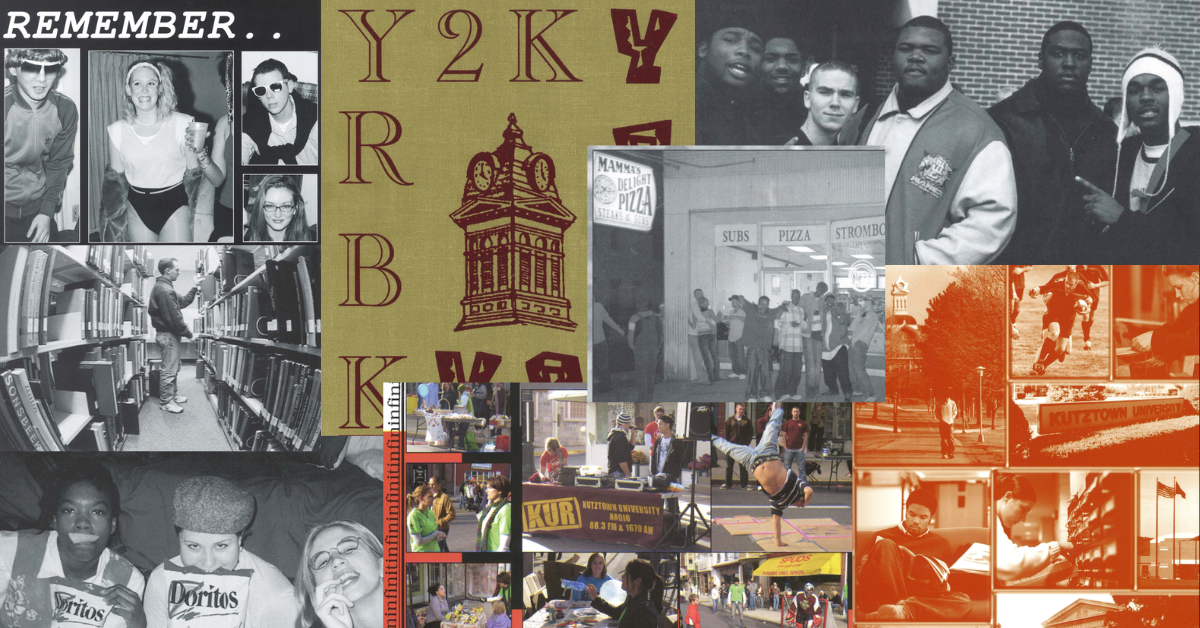
The 2000s place Kutztown firmly within the realities of a new century—one shaped by national crisis, political visibility, and rapidly changing technology. The impact of 9/11 makes that clear immediately. A global event is felt at the local level through loss, memory, and participation in the response.
At the same time, Kutztown continues to serve as a kind of symbolic “everytown.” Presidential visits reinforce its role as a representative American community.
Meanwhile, local leadership—particularly under Sandy Green—begins to focus more deliberately on managing growth, strengthening downtown, and navigating the relationship between the borough and the university.
2001: 9/11 Attacks and Their Aftermath
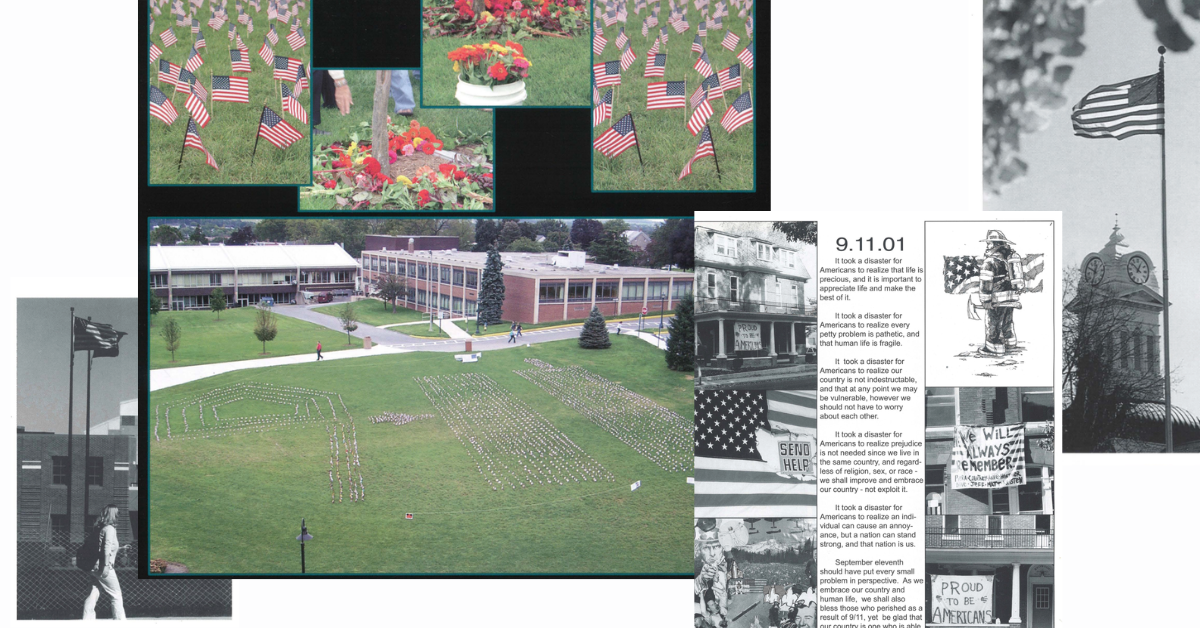
On September 11, 2001, the terrorist attacks on the World Trade Center and Pentagon had a direct impact on the Kutztown community. Four Kutztown University alumni were killed in the collapse of the Twin Towers.
In the aftermath, KU alumni were involved across all levels of response—from FBI forensic investigations and Ground Zero recovery efforts to emergency management and national security work.
Back on campus, the tragedy was memorialized with a tree and plaque near Old Main, honoring those lost.
2004: President George W. Bush Visits Kutztown
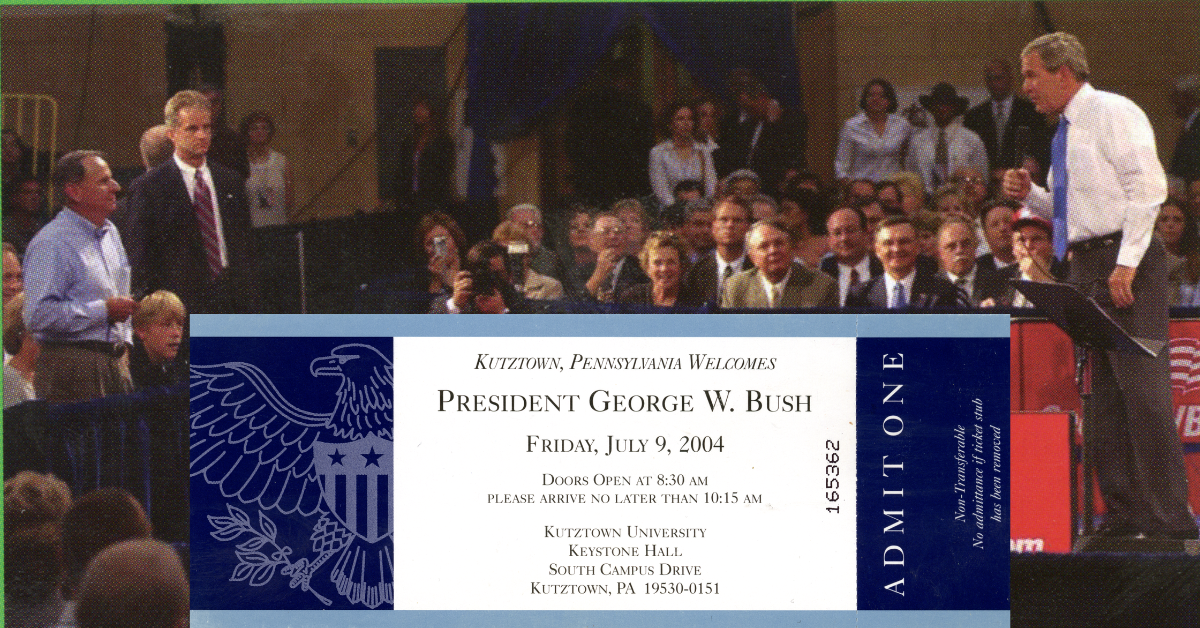
In 2004, President George W. Bush visited Kutztown University as part of his reelection campaign, holding a public “Ask President Bush” event in Keystone Hall. The visit made him the third president—and second sitting president in a decade—to come to Kutztown, following Bill Clinton in 1995.
The event drew strong interest, with 2,500 tickets claimed almost immediately, while supporters and protesters gathered outside. Bush’s remarks focused on the economy, the war on terrorism, and national security, reflecting the post-9/11 political climate.
University officials noted that Kutztown’s appeal as a stop lay in its image: a “typical middle America” town, with a diverse student body and strong representation of first-generation college students—making it an ideal stage for national politics.
The visit extended beyond campus. On his way to the university, Bush made a surprise stop at nearby Hometown Diner along Route 222, meeting locals and reinforcing the campaign’s effort to connect with everyday voters.
2005: Sandy Green Elected Kutztown’s First Female Mayor
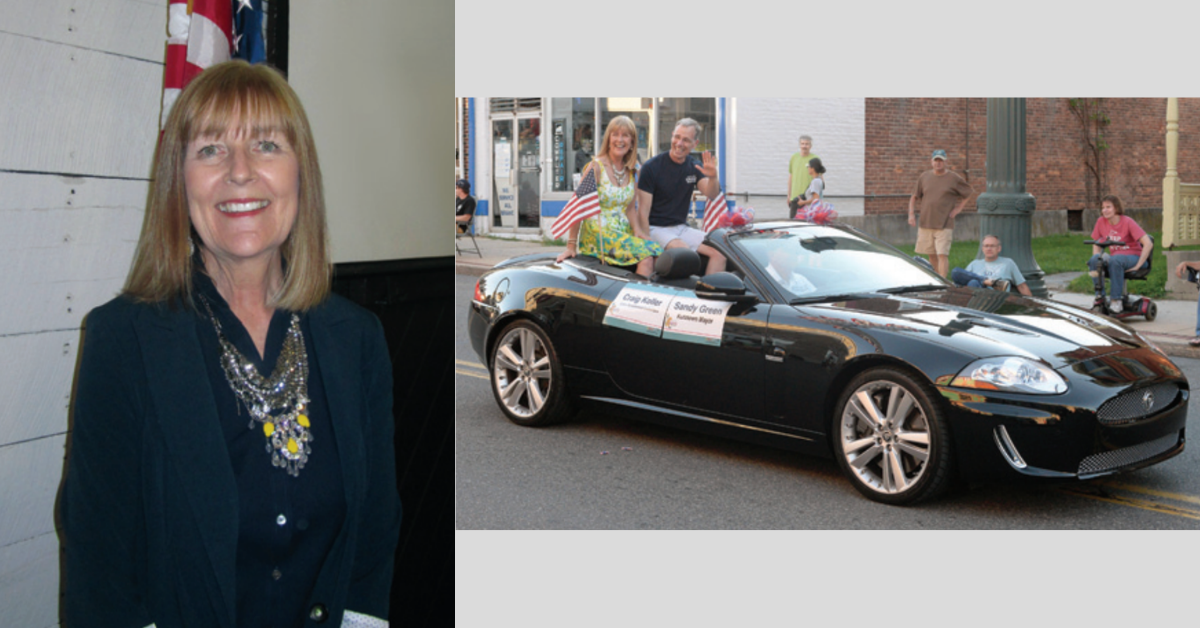
In 2005, Sandra “Sandy” Green was elected as Kutztown’s first female mayor, defeating Republican Eric Ely in a decisive victory. A lifelong resident of the area, Green’s election marked a shift in local leadership and tone, following a more contentious political period in the borough.
Green emphasized a more collaborative approach to governance, stating that her role was to “oversee, not rule,” particularly in relation to the police department. Her priorities included downtown revitalization, public safety, and improving town-gown relations between Kutztown University and borough residents.
Serving for 12 years, Green became a central figure in shaping modern Kutztown, helping the borough achieve Main Street status and working closely with community organizations and the university to align local development with the town’s evolving identity as a college community.
2005: The Kutztown 13 Controversy
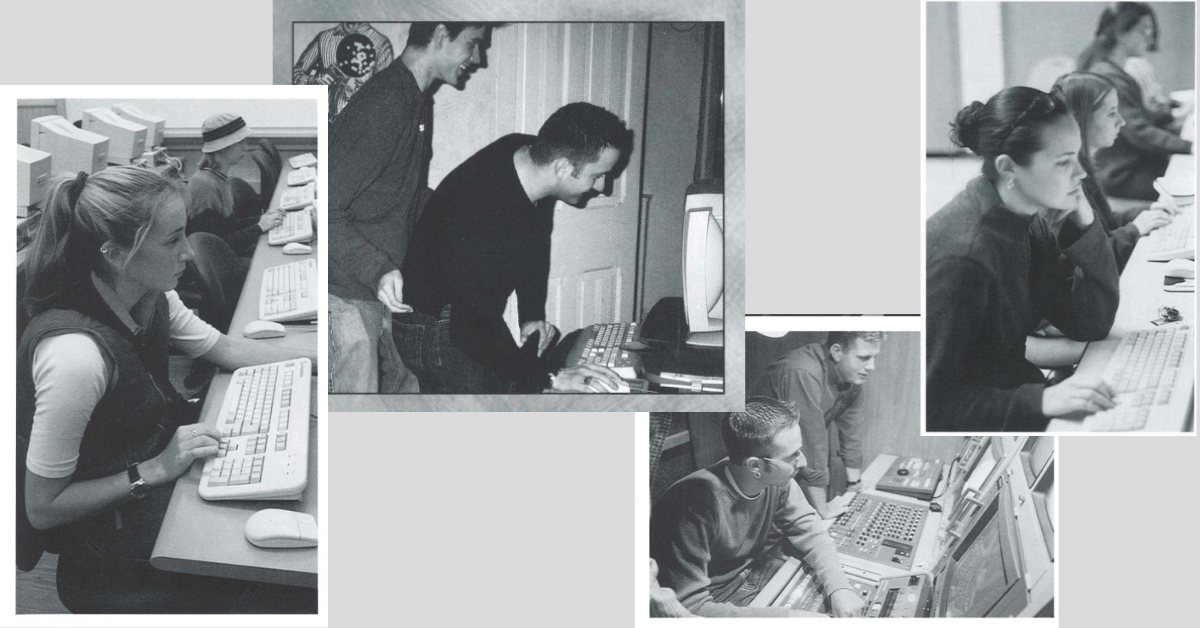
In 2005, Kutztown found itself at the center of a national debate over technology, authority, and youth culture with the case of the “Kutztown 13.”
The group of high school students was charged with felony computer offenses after bypassing security on school-issued laptops, accessing restricted internet content, and even using monitoring software to view administrators’ screens.
The charges—computer trespass under Pennsylvania law—carried the potential for serious legal consequences, including juvenile detention. What made the case controversial wasn’t just what the students did—but how easily they did it.
The administrative password needed to unlock the computers was reportedly simple and widely accessible, even taped to devices at one point. Students shared it, modified system settings, and experimented with the technology—actions supporters argued were closer to curiosity and technical skill than criminal intent.
Critics of the charges, including parents and national observers, saw the response as overreach, arguing the students were being punished not for harm, but for exposing weak security. The case drew widespread attention, highlighting a growing tension in the early internet era:
- Students often outpaced institutions in technical ability.
- Schools struggled to balance discipline with evolving digital norms.
- Questions emerged about where curiosity ends and criminality begins.
Ultimately, the felony charges were dropped in exchange for lesser disciplinary consequences, bringing an end to the legal battle. A subsequent complaint alleging age discrimination was reviewed by the U.S. Department of Education, which found no evidence that the district had discriminated based on age.
2007: Merchant Trick-or-Treat Night Begins
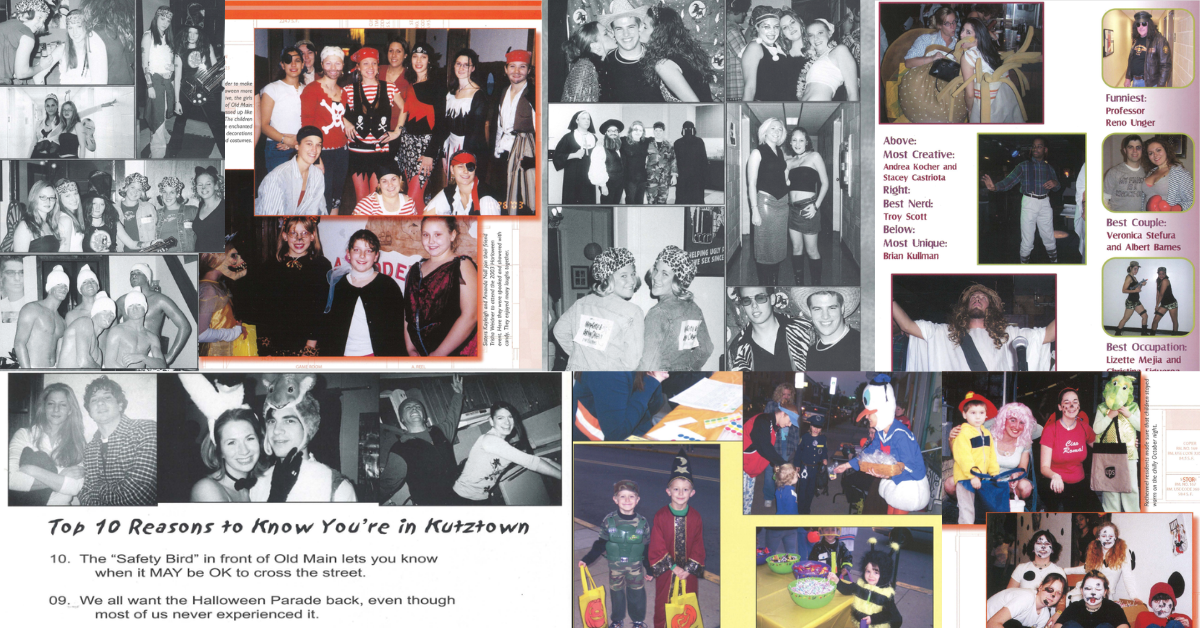
In 2007, Kutztown launched Merchant Trick-or-Treat Night, transforming West Main Street into a car-free, community-wide Halloween space where thousands of children and families could safely celebrate.
Organized by the Kutztown Optimist Club, the event brought together local businesses, civic groups, churches, and Kutztown University student organizations, all handing out candy across several blocks. From the start, it drew around 5,000 participants, turning Main Street into a lively, shared celebration.
The push toward a more structured, family-friendly event also came in the shadow of more troubling moments in the town’s recent past. Just a month earlier, a violent late-night incident on Main Street resulted in the death of a Kutztown University student, shaking the community and highlighting tensions around nightlife, safety, and the growing student population.
Against that backdrop, Merchant Trick-or-Treat Night represented a different vision of the town at night.
2009: The Charlie Company Returns
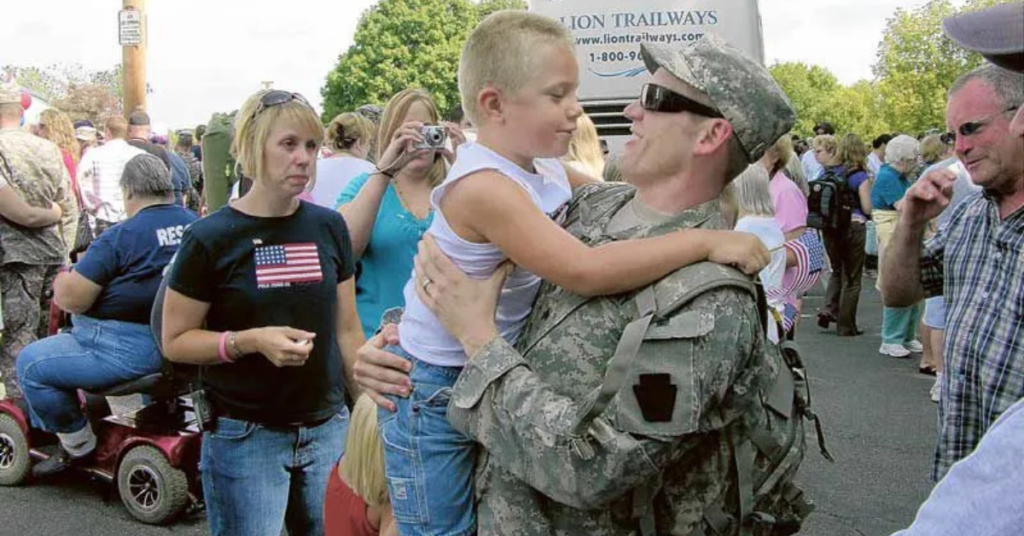
In 2009, Kutztown Park became the site of an emotional homecoming as Charlie Company of the 111th Infantry, 56th Stryker Brigade returned from deployment in Taji, Iraq.
After nearly nine months overseas, all 165 soldiers came home safely, greeted by a crowd of family members, friends, and community supporters. Fire trucks, police escorts, and motorcycle groups led the convoy into town, turning the return into a full community event.
Families gathered with banners, children waited for parents they hadn’t seen in months, and the park filled with tears, hugs, and relief. Local businesses and organizations contributed food and support, underscoring how deeply the town rallied around its service members.