The story of Pennsylvania Dutch culture and Kutztown is an epic quite literally tens of thousands of years in the making—stretching from early human migrations and ancient European landscapes to a small Pennsylvania town where that history still lives on today.
What appears at first as a quiet borough in Berks County is really the result of deep and layered transformations: movement across continents, the rise and fall of empires, religious conflict and coexistence, colonization, industrialization, and modern change.
To understand Kutztown is to understand how those forces converge in one place. It is a story about migration and settlement, but also about continuity—how traditions survive, adapt, and are reinterpreted over time.
From origins to modern life, Kutztown and the Pennsylvania Dutch are not just products of history, but active participants in it.
Who Are the Pennsylvania Dutch?
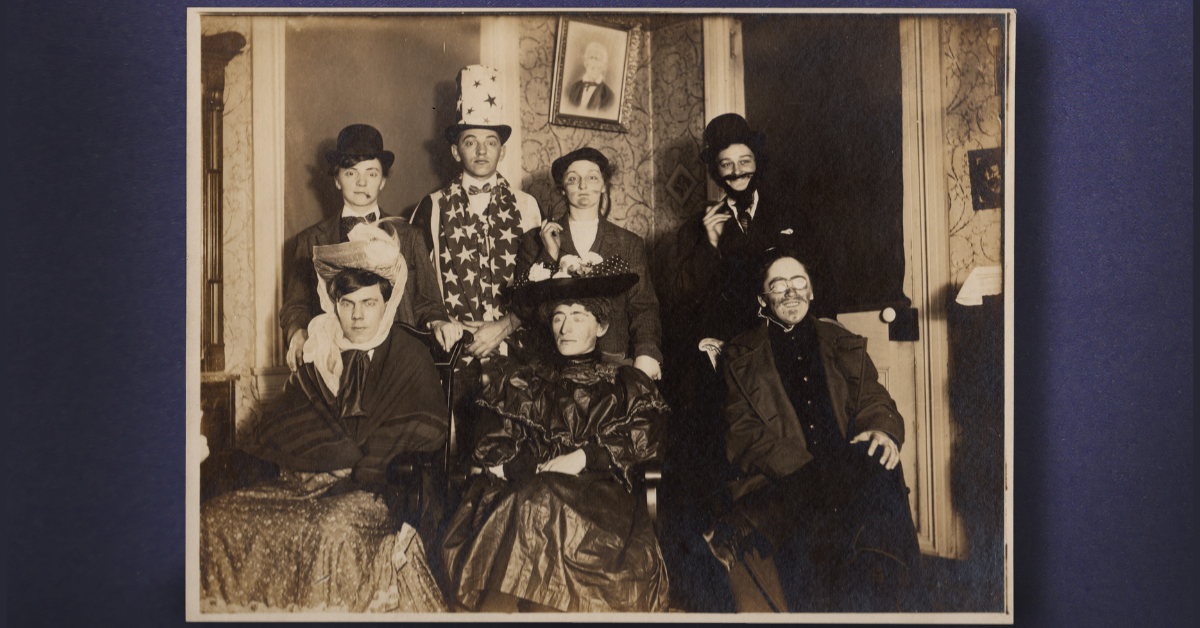
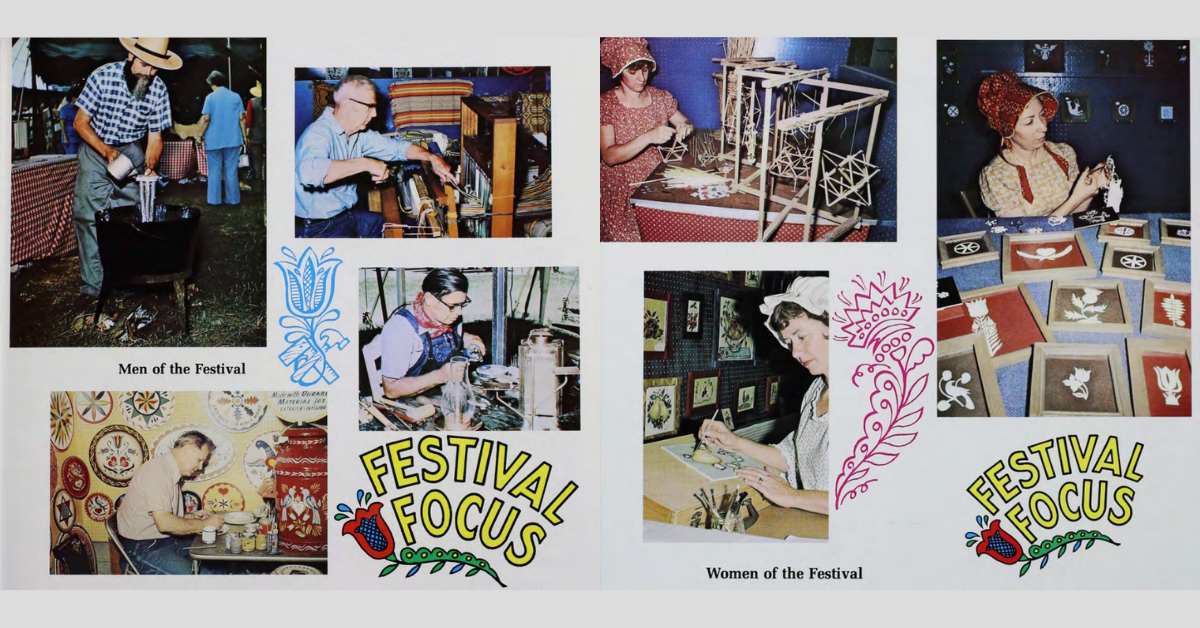
The Pennsylvania Dutch are the descendants of German-speaking migrants who came to Pennsylvania in the late 1600s and early 1700s. Their roots trace back especially to the Rhine and Palatinate, a region shaped over centuries by migration, empire, religious division, and war.
They were not one single group. They included Lutherans, Reformed Protestants, Mennonites, Amish, and other German-speaking communities united by shared pressures: instability in Europe, the search for land, and the hope of rebuilding in Pennsylvania.
Over time, these migrants formed a distinct culture rooted in German language, rural life, faith, farming, and community. Places like Berks County and Kutztown became centers of this Pennsylvania Dutch world.
What Is Kutztown?
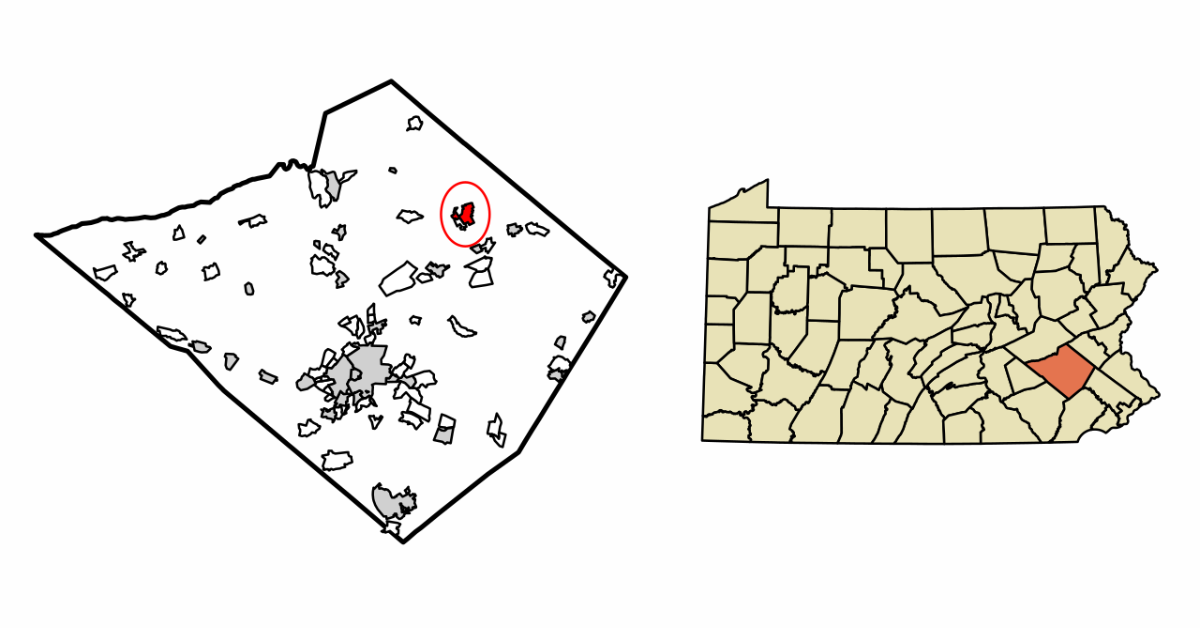

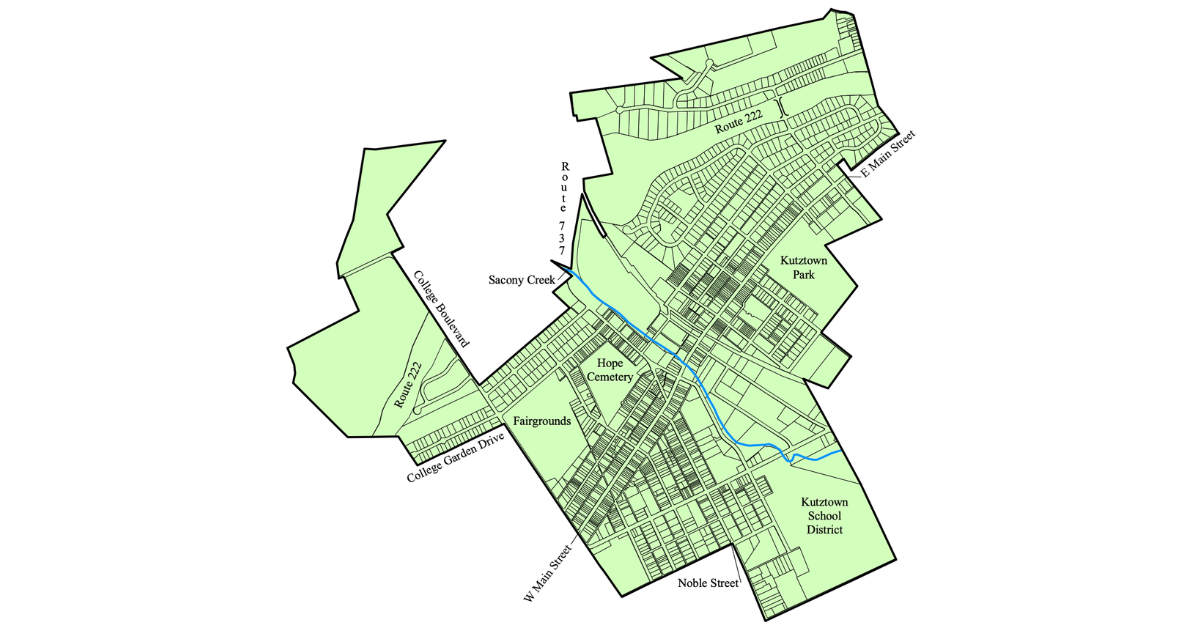
Kutztown is a borough in Berks County, Pennsylvania. But long before it was a town, the area was part of the Lenape world, known as Maxatawny—“place of bears.” It was a lived landscape shaped by movement, trade, and connection to the land, not fixed boundaries or ownership.
By the early 1700s, that landscape was changing. Through treaties, migration, and land systems introduced by William Penn and later expanded by his heirs, the region became part of a colonial framework. German-speaking settlers—what would become the Pennsylvania Dutch—moved inland, establishing farms, churches, and communities across Berks County.
Kutztown itself emerged out of this shift. In 1779, George Kutz laid out a town on land that had already become a crossroads of travel, trade, and settlement. Over time, it grew from a small market center into a connected community—shaped by agriculture, religion, and Pennsylvania Dutch culture.
Through the 1800s and beyond, Kutztown continued to evolve:
- It became a hub for surrounding farms and regional trade.
- It developed institutions like schools, churches, and eventually Kutztown University.
- It connected to larger systems through roads, rail, and industry.
Today, Kutztown is both a modern town and a reflection of that long history—a place where Pennsylvania Dutch culture and modern American life still shape its character.
Why Do Kutztown and PA Dutch Culture Matter?
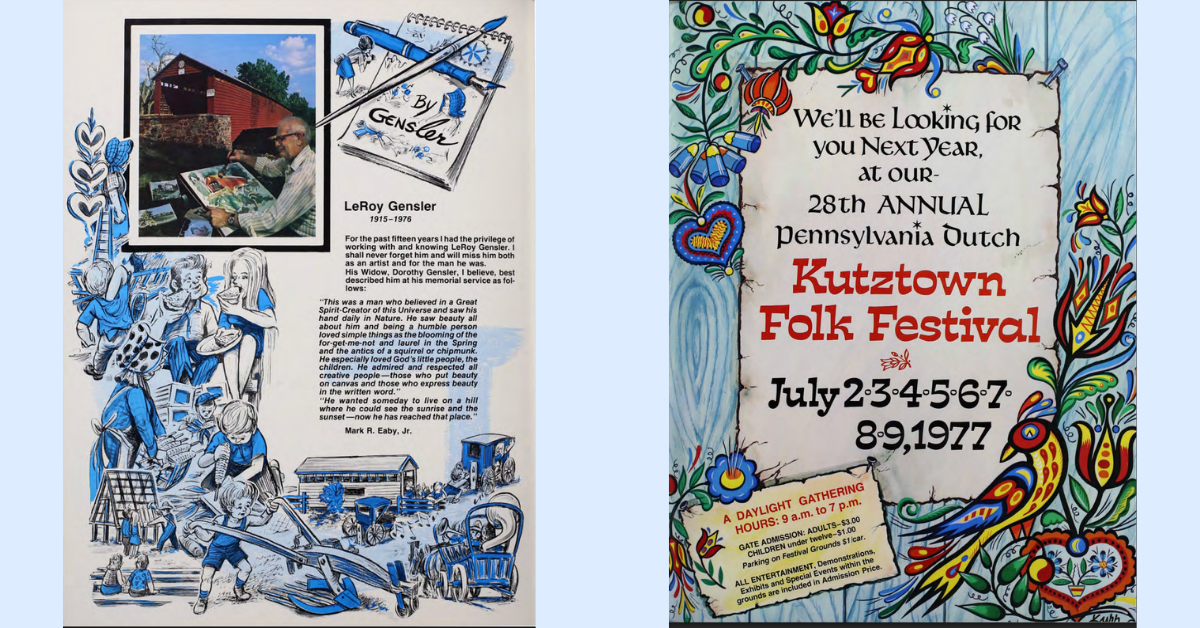
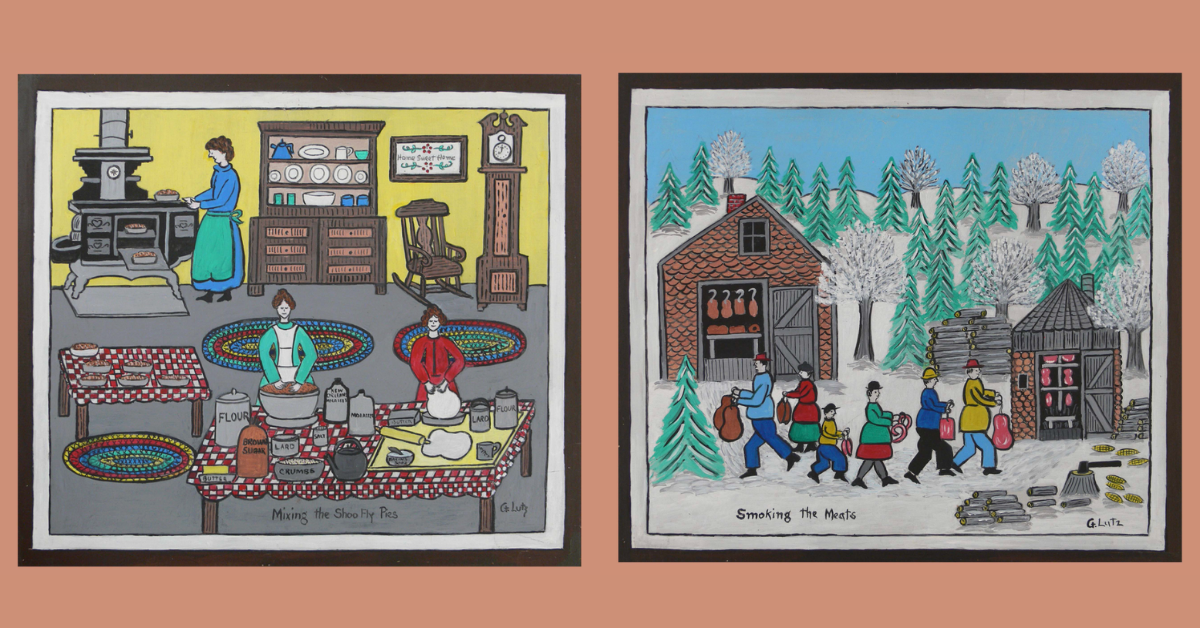
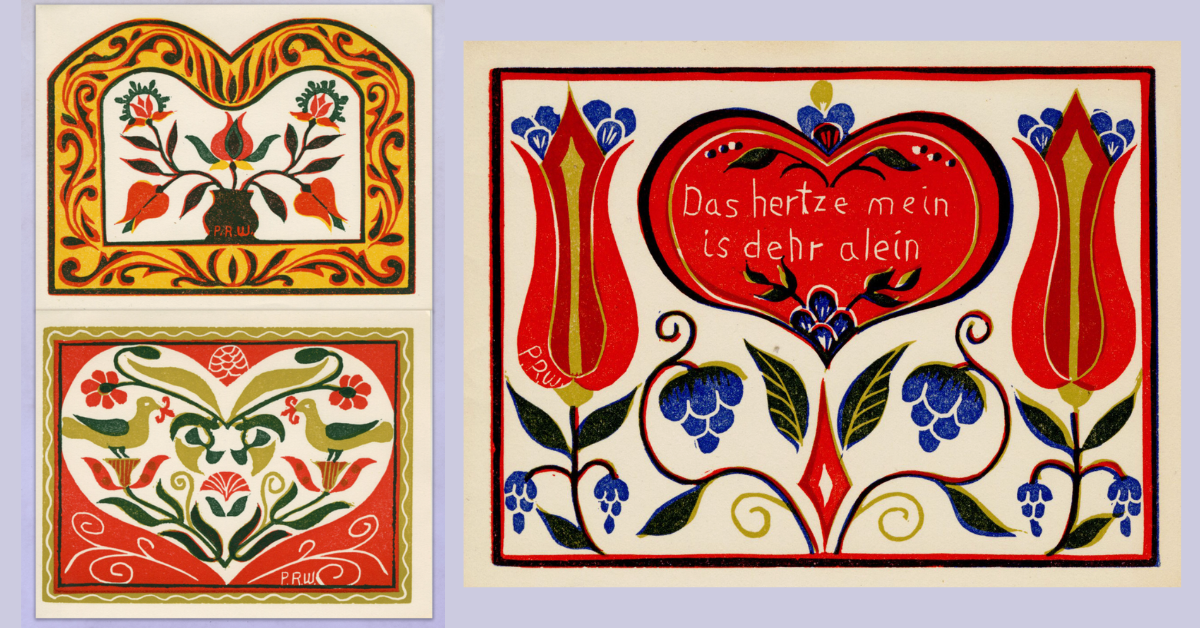
Kutztown and Pennsylvania Dutch culture matter because they show how history survives in everyday life. Language, food, farming traditions, churches, festivals, names, stories, and local places all carry traces of the people who shaped this region.
They also reveal how identity changes over time. The Pennsylvania Dutch were not a single, frozen group—they were migrants, farmers, workers, church communities, and families adapting to new systems while preserving parts of an older world.
Kutztown matters because it gives that history a local form. It shows how broad forces—migration, colonization, religion, industry, war, and Americanization—become visible in one town’s streets, institutions, and traditions.
The History of the PA Dutch and Kutztown
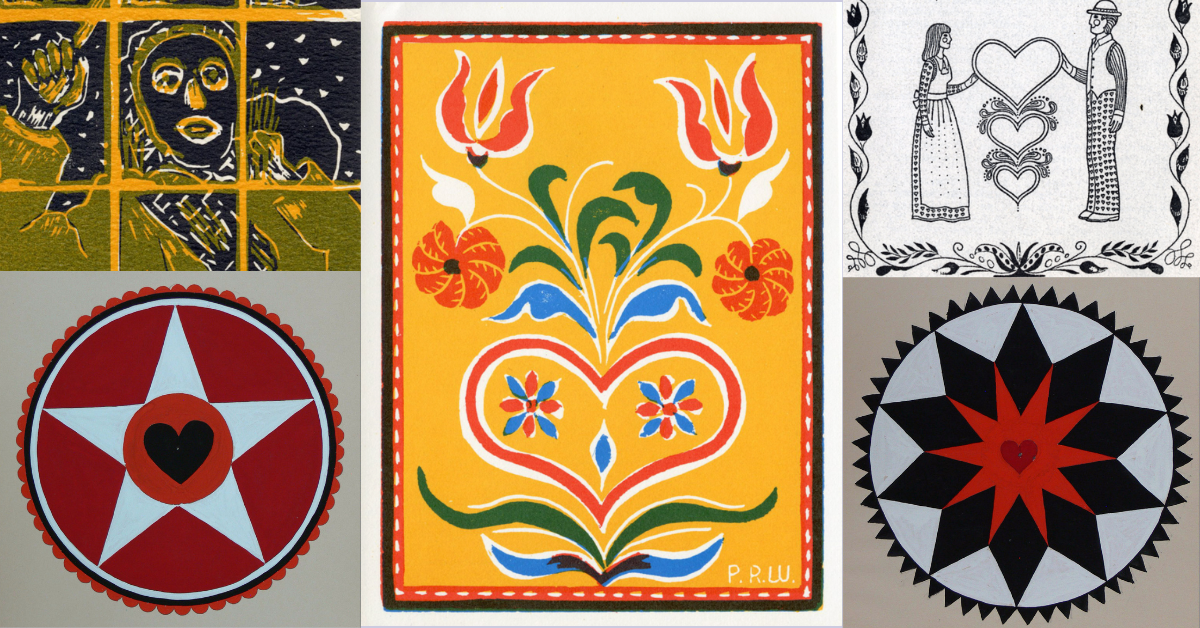
From European migrations to a modern college town, Kutztown and Pennsylvania Dutch history trace how people, place, and culture evolve together across centuries of change.
Part One: Origins of the Pennsylvania Dutch
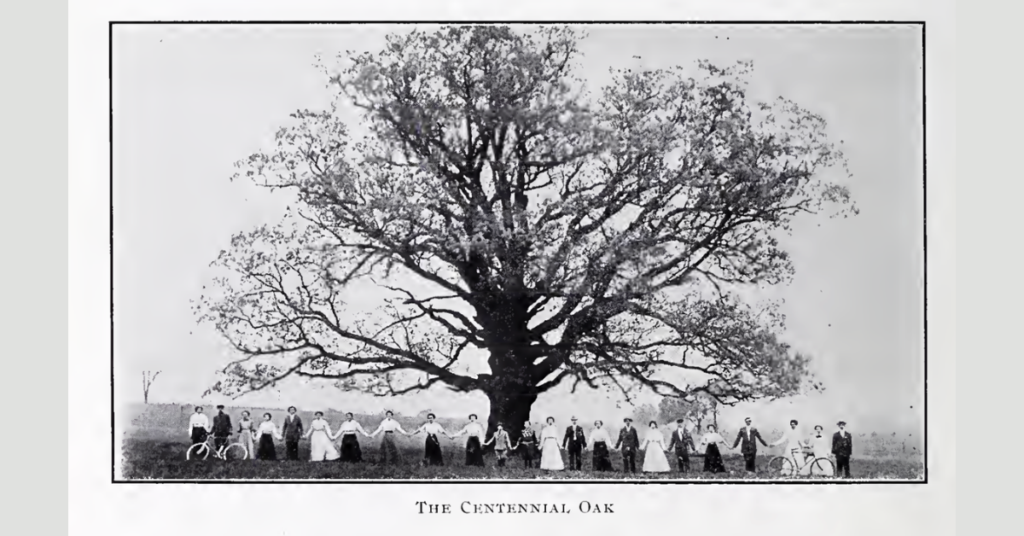
The story of the Pennsylvania Dutch begins long before Pennsylvania, in the migrations, empires, borderlands, and religious conflicts that shaped Europe. Over thousands of years, the Rhine and Palatinate became a crossroads between peoples, languages, rulers, and faiths.
By the late 1600s and early 1700s, repeated wars, religious pressure, and economic instability pushed many German-speaking families to leave. Their migration to Pennsylvania created the foundation for the Pennsylvania Dutch communities that later shaped places like Kutztown.
Part Two: Origins of Kutztown
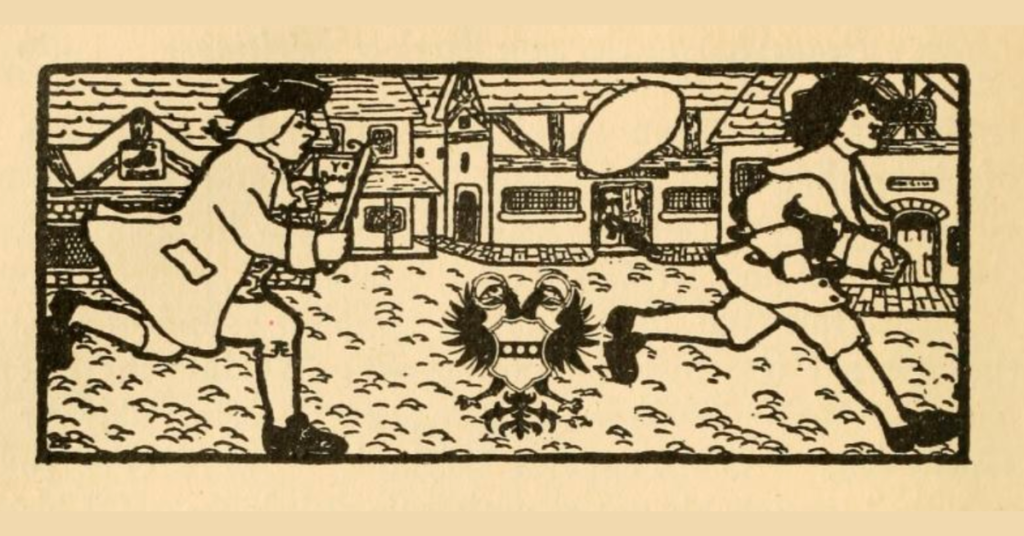
Kutztown’s story is grounded in one place—but shaped by many layers of change. What begins as Lenape land, defined by movement, resource use, and connection to the environment, is gradually redefined through colonial systems that introduce ownership, boundaries, and permanent settlement.
Across the 1700s, migration, land distribution, and road networks reorganize the region into farms and small communities. Out of this reorganization, a town takes form—marking the moment when a landscape becomes a fixed center of life, exchange, and identity.
Part Three: Modern Kutztown
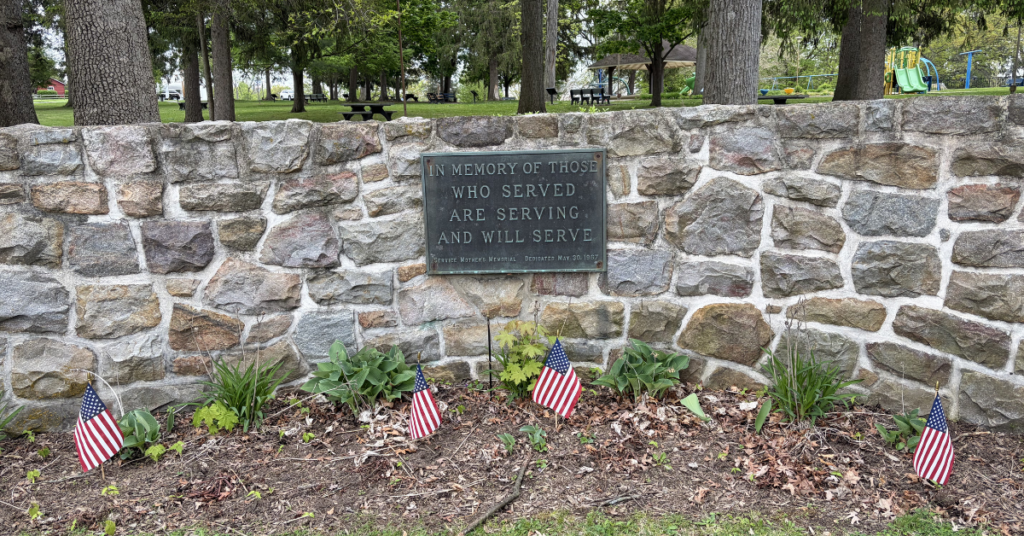
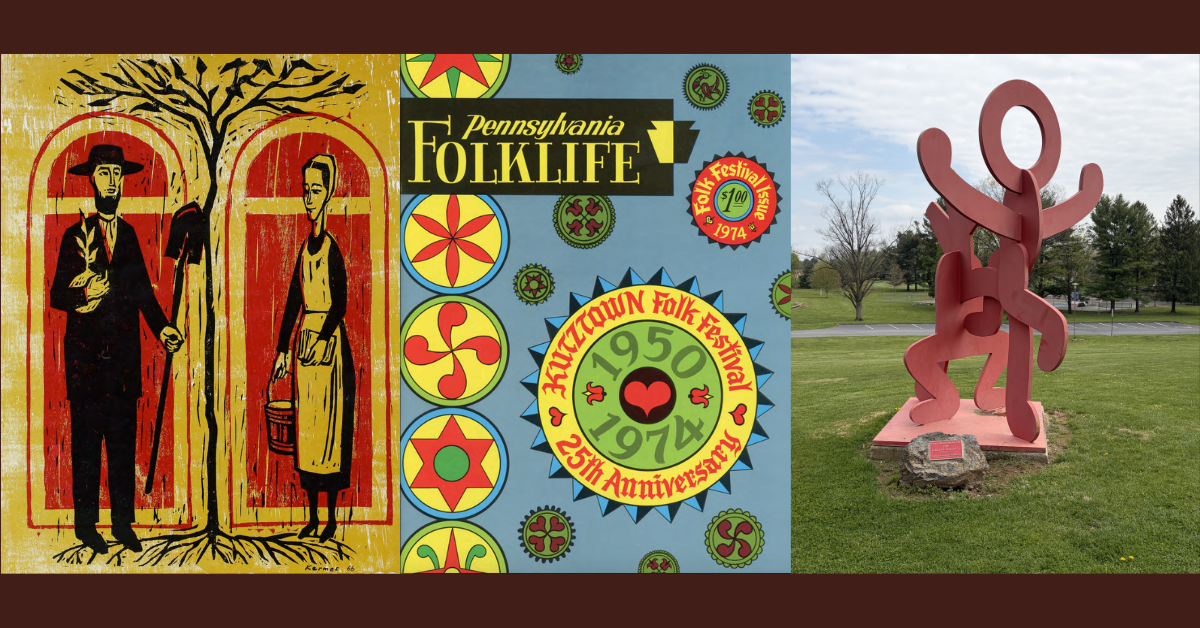
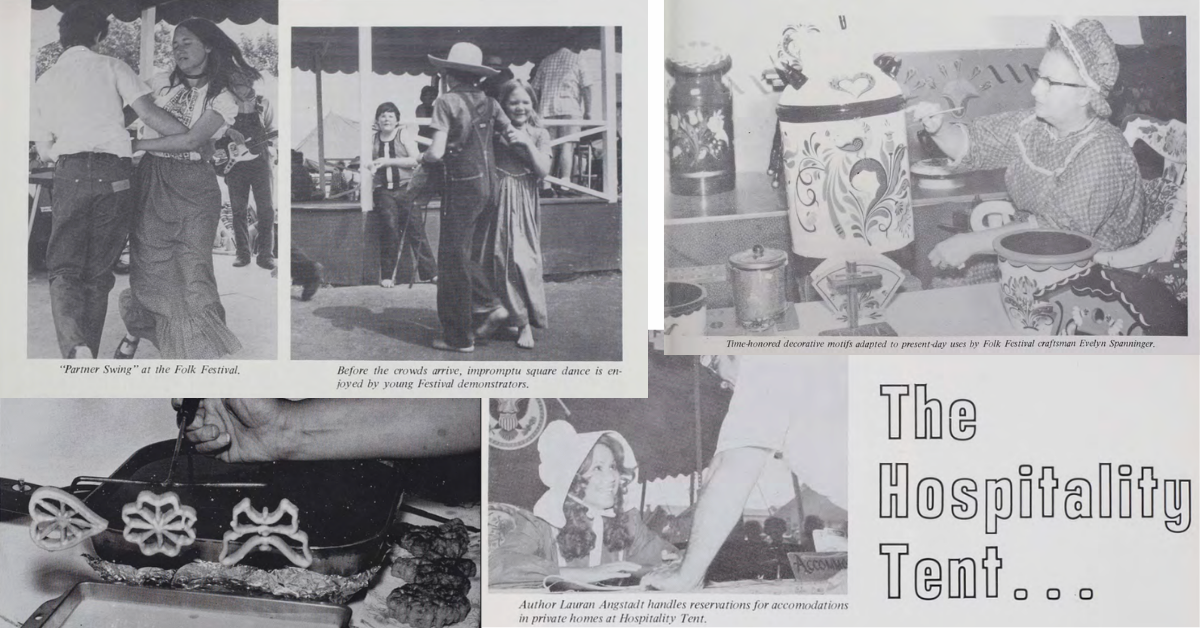
Modern Kutztown emerges after World War II, as industry, higher education, public services, and cultural preservation reshape the town. Businesses like East Penn, institutions like Kutztown University, movements like Rodale, and events like the Kutztown Folk Festival connect local life to larger economic, educational, and cultural systems.
Across the late 20th and early 21st centuries, Kutztown becomes more connected—but also more complicated. Highways, national events, student growth, public art, downtown revitalization, and changing traditions all reshape how the town understands itself.
By the 2020s, with COVID-19 disrupting public life and the Folk Festival facing cancellation, Kutztown enters a new period of reflection.
Kutztown and the PA Dutch Today
Kutztown and Pennsylvania Dutch culture are still in motion. What once centered on farms, churches, and festivals now moves through universities, Main Street events, digital spaces, and new forms of cultural expression. Some traditions endure. Others fade, fracture, or are forced to change.
The cancellation of the Kutztown Folk Festival in 2025 made that reality impossible to ignore. For decades, it had been the clearest stage where the town performed—and preserved—its identity. Its absence leaves a gap, but also a question: what comes next?
That question is where Kutzeschteddel begins—not just as a history, but as a continuation. The next phase of this project will expand into two directions:
- Things to Do in Kutztown — a living guide to the town as it exists now, mapping restaurants, bars, parks, events, and everyday spaces that carry culture forward in real time.
- The Kutzeschteddel Review — an editorial space exploring the art, music, writing, and ideas shaping Kutztown today, treating the town itself as an active cultural site rather than a static relic.
If the Folk Festival once gathered culture into one place, this project attempts something different: to trace it everywhere it still exists—and where it’s going next.