
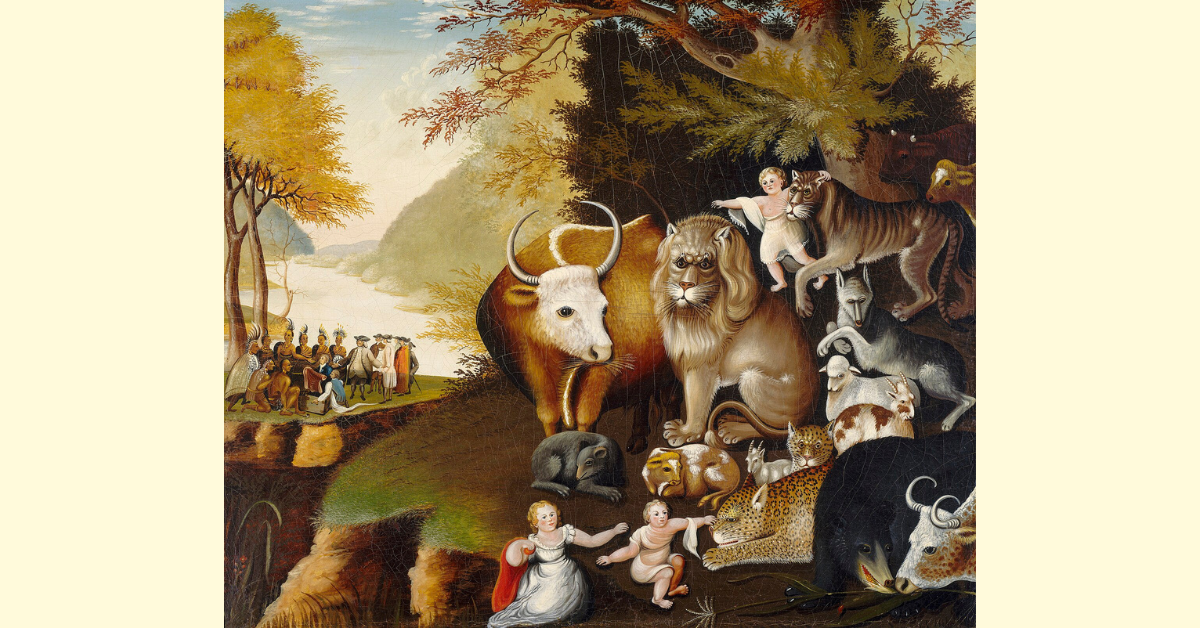
By the early 1700s, the system William Penn created is still in place—but it is beginning to change. What had been shaped by negotiation and personal oversight becomes something more rigid, more extractive, and less balanced.
The Penn Family and Financial Pressure
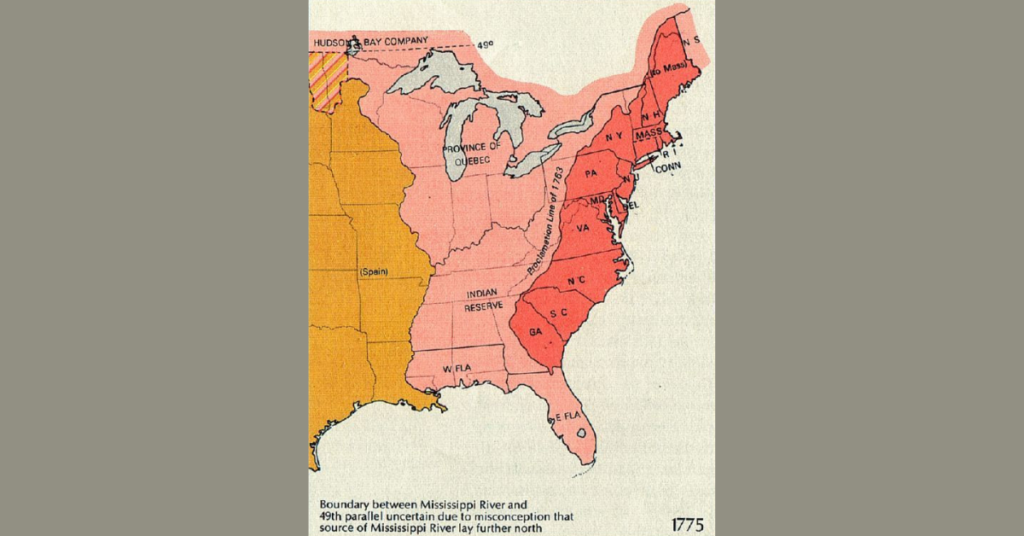

When William Penn dies in 1718, control of Pennsylvania passes to his sons. But they inherit more than land—they inherit debt and obligation. Penn himself had struggled financially:
- He invested heavily in the colony
- He faced legal disputes and political challenges
- He spent years in England dealing with financial issues
As a result, his heirs approach the colony differently. For them:
- Land is not just a social project—it is a financial asset
- Sales, rents, and expansion become more important
- Revenue begins to take priority over relationship
The Breakdown of the Treaty System
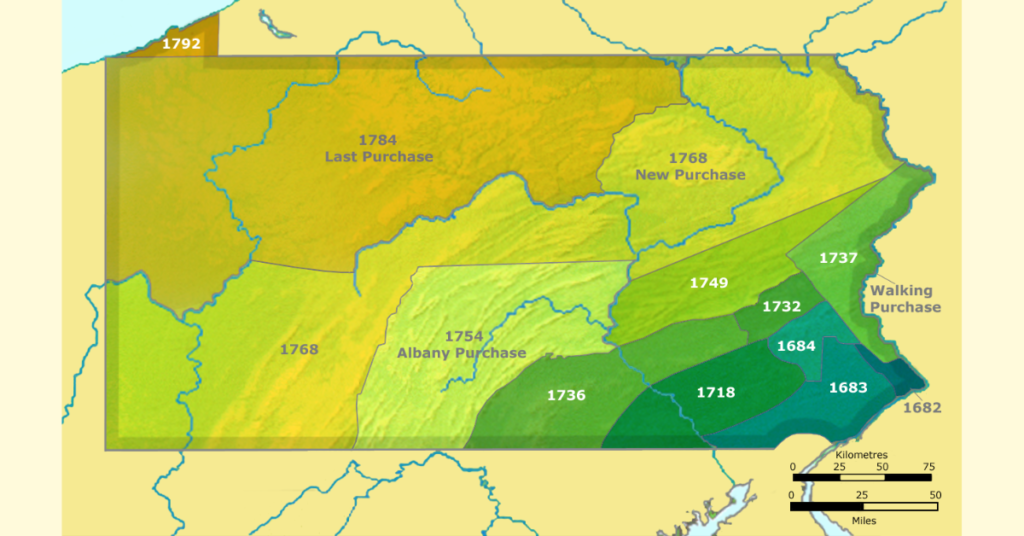

Under Penn, treaties were meant to create mutual understanding. Under his sons, they become more transactional—and often more coercive. The most famous example is the Walking Purchase of 1737.
In this agreement, Colonial authorities claim a large tract of Lenape land based on an old, disputed document. Instead of a fair negotiation, the boundary is determined by how far a man can walk in a set time. The walk is manipulated—cleared paths, trained runners—expanding the claimed land far beyond expectations. The result:
- The Lenape lose a significant portion of their land
- Trust between Native communities and colonial authorities breaks down
- Many Lenape begin moving westward
This marks a turning point. The earlier system of negotiated coexistence gives way to expansion driven by legal claims and enforcement, increasing displacement of Native populations, and a more rigid system of land ownership.
Expansion into the Interior
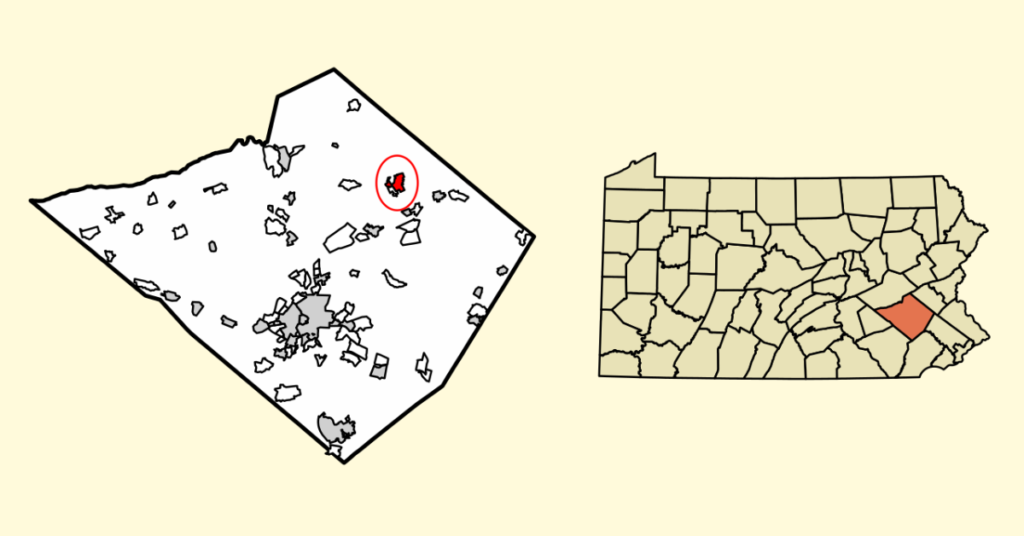

As land becomes more available through these processes, settlement begins moving further inland. By the 1720s–1740s:
- European settlers spread beyond Philadelphia
- River valleys and fertile inland regions become targets for farming
- Areas like Berks County begin to fill with new communities
These settlers are often migrants from the Palatinate and surrounding regions. They bring with them:
- Farming practices suited to similar landscapes
- Lutheran and Reformed religious traditions
- A desire for stability after generations of conflict
The land that was once part of Lenape networks—places like Maxatawny—becomes part of a new system of surveyed plots, owned farms, and permanent villages.
The Emergence of Local Communities
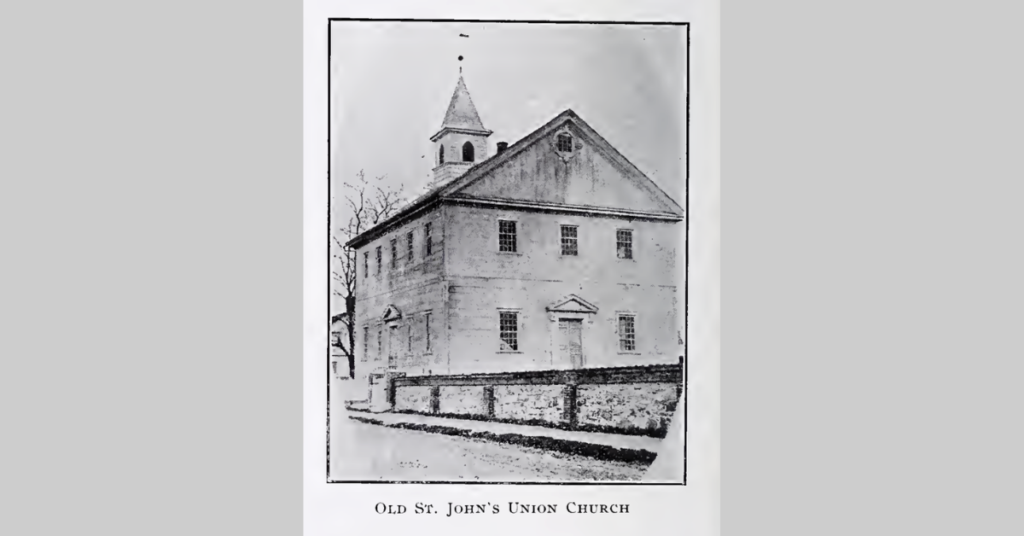
By the mid-1700s, the region around present-day Kutztown is no longer a frontier in the same sense. It is becoming a settled agricultural landscape. This transformation includes:
- Clearing land for farming
- Establishing roads and local trade routes
- Building churches and community institutions
Settlement is not random—it follows patterns: families cluster together, religious communities form local centers, and land ownership shapes social structure. Over time, these clusters begin to take on more defined identities. What were once scattered farms and networks of families begin to look more like:
- Villages
- Market centers
- Named places