
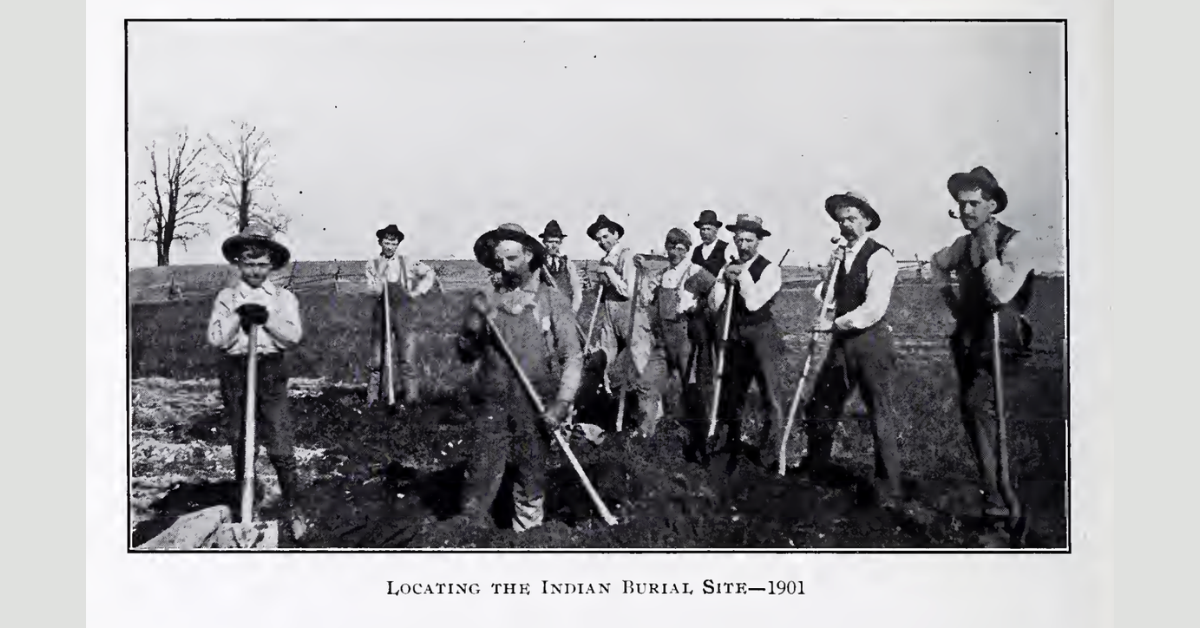
Before European settlers arrive in Pennsylvania, the land that will become Kutztown already has a long and complex history. This is not an empty or untouched landscape—it is part of a living world shaped by Native American societies over thousands of years.
The First Peoples of Pennsylvania
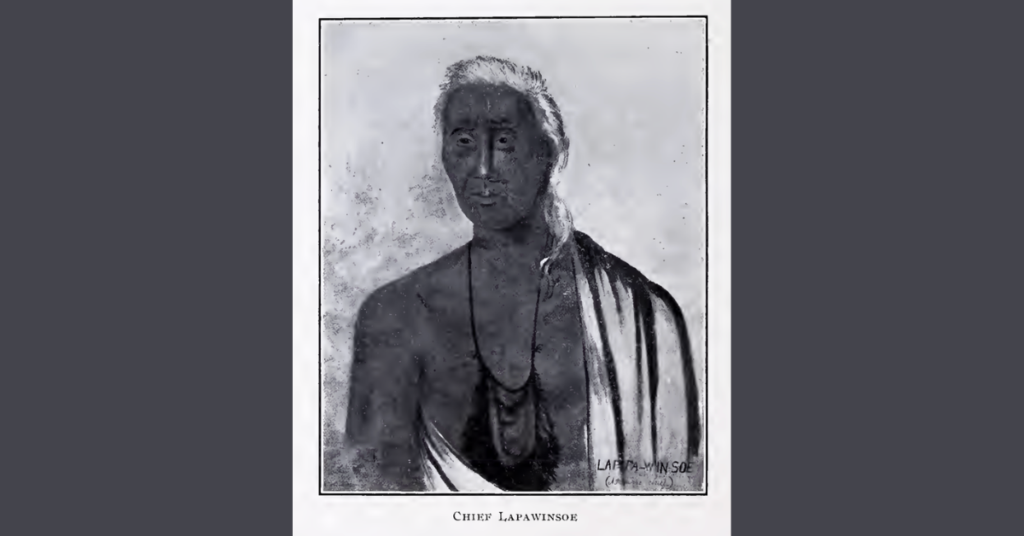
After the last Ice Age, human populations gradually move into the northeastern woodlands of North America. By around 10,000 BCE, small groups are living throughout what is now Pennsylvania.
Over time, these populations develop into distinct cultures adapted to the region’s environment:
- Forested landscapes
- River systems like the Schuylkill and Delaware
- Seasonal cycles of hunting, fishing, and farming
Unlike large centralized empires, these societies are organized into smaller communities and deeply connected to the land. They’re structured around kinship, trade, and shared cultural practices.
The land is not owned in the European sense—it is used, shared, and understood as part of a broader living system.
The Lenape and the Eastern Woodlands
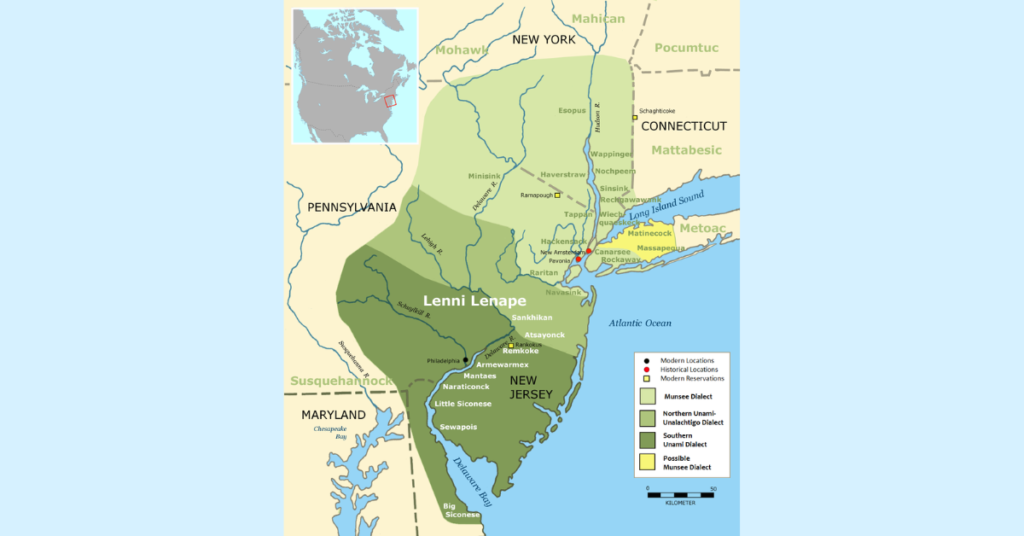
By the time Europeans begin arriving in the 1600s, the region that includes Kutztown is part of the world of the Lenape (also known as the Delaware). The name “Lenape” is often understood to mean “the people” or “true people.”
They live across a large area including:
- Eastern Pennsylvania
- New Jersey
- Delaware
- Parts of New York
They are part of the broader Eastern Woodlands cultural world and speak an Algonquian language. Historically, they are described as a confederacy of three primary clan groups, often associated with the Turtle, Wolf, and Turkey clans.
Their society is organized into:
- Clan-based systems
- Village networks connected by trade and kinship
- Leadership structures based on consensus rather than centralized authority
Neighboring groups at times recognized the Lenape as a senior or “grandfather” people within regional diplomacy. However, by the early 1700s, they also faced increasing pressure from the Iroquois Confederacy, which asserted political dominance over them, limiting their ability to independently wage war or negotiate land.
Life Along the Land That Becomes Kutztown
The Kutztown area sits within a fertile and well-connected region:
- Near tributaries feeding into the Schuylkill River
- Surrounded by forest, game, and arable land
- Positioned along natural travel and trade routes
Rather than permanent dense cities, life is organized through villages that may shift over time, seasonal movement, and a balance between farming and foraging.
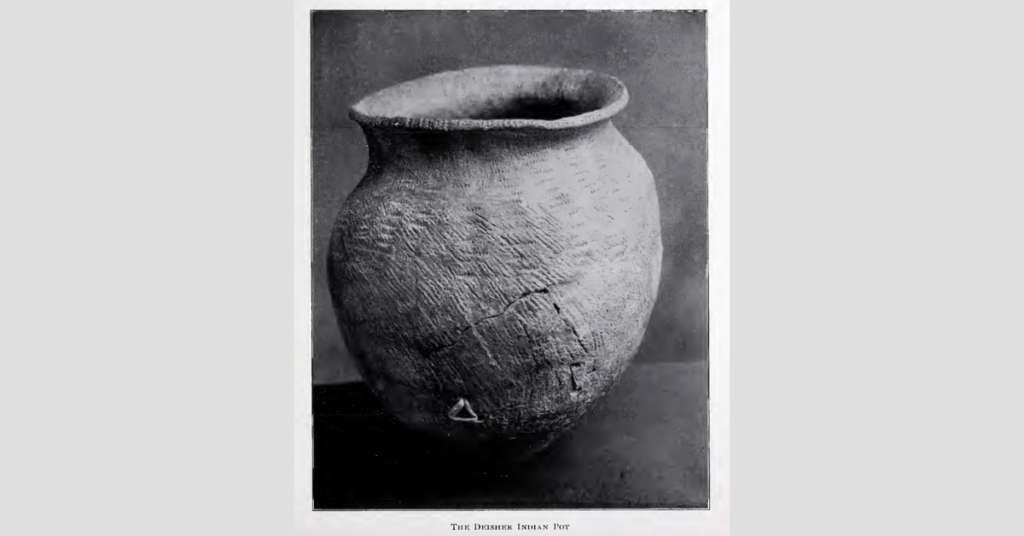
Archaeological evidence suggests long-term habitation in the area. Sites have revealed:
- Remains of hearths and dwellings
- Storage pits used for food preservation
- Pottery fragments and tools
These findings point to established patterns of settlement, resource management, and daily life long before European arrival.
The Origins of Maxatawny
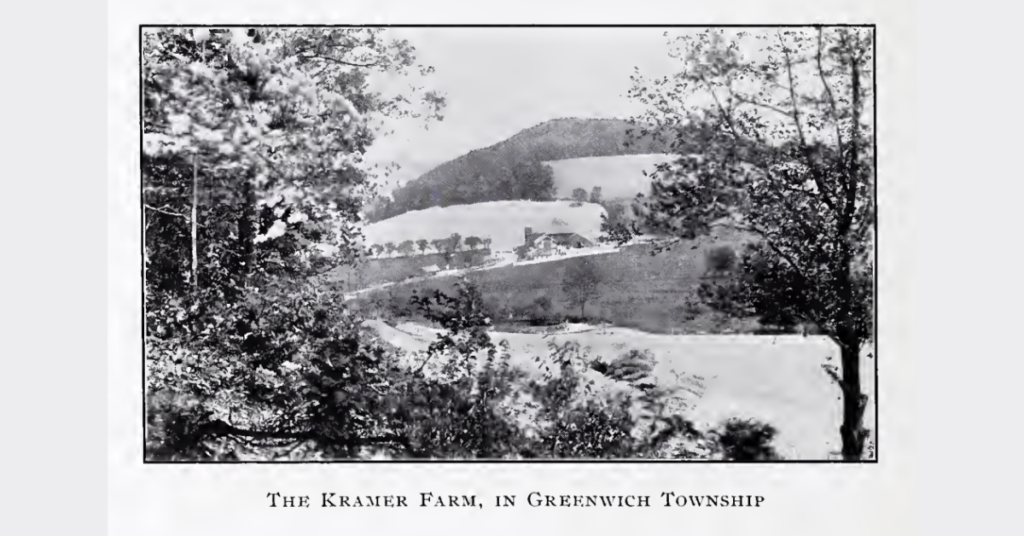
One important local name for this region is Maxatawny (also spelled Macungie or Maxatawny in historical records). The name comes from the Lenape language and is often interpreted as “bear path creek” or “place of bears.”
For the Lenape, this name reflects how the land is understood:
- Through natural features
- Through animal movement
- Through lived experience across the landscape
Maxatawny is not a town in the European sense—it is a place within a broader network of meaning, movement, and use:
- Trade routes connect different Native groups
- Goods like stone tools, ceramics, and shell beads (wampum) circulate
- Cultural practices and alliances develop across communities
Like the Rhine in Europe, this region functions as a connected corridor rather than an isolated place.
The Arrival of Europeans (1600s)
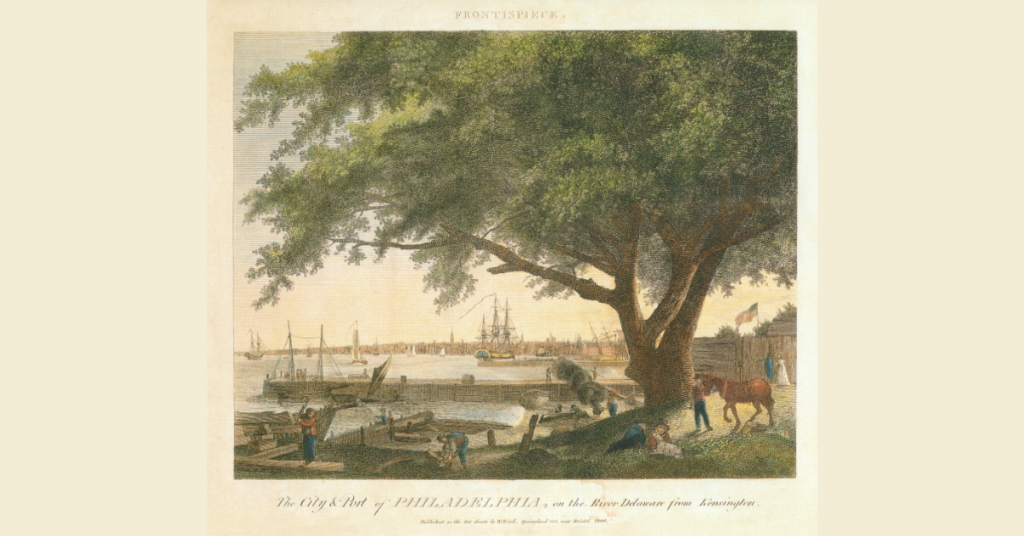

By the early 1600s, European powers begin establishing a presence:
- Dutch traders along the Hudson and Delaware
- Swedish settlements in the Delaware Valley
- Later English expansion
At first, contact is limited and based largely on trade. But over time, the effects deepen:
- European goods reshape local economies
- Disease spreads through Native populations
- Power dynamics begin to shift
One of the most significant impacts comes through disease, which causes major population decline and destabilizes communities long before large-scale settlement begins.
At the same time, land begins to be treated differently. What had been shared and used collectively is increasingly viewed by Europeans as something to be owned, divided, and transferred.
A Land in Transition (1600s – early 1700s)
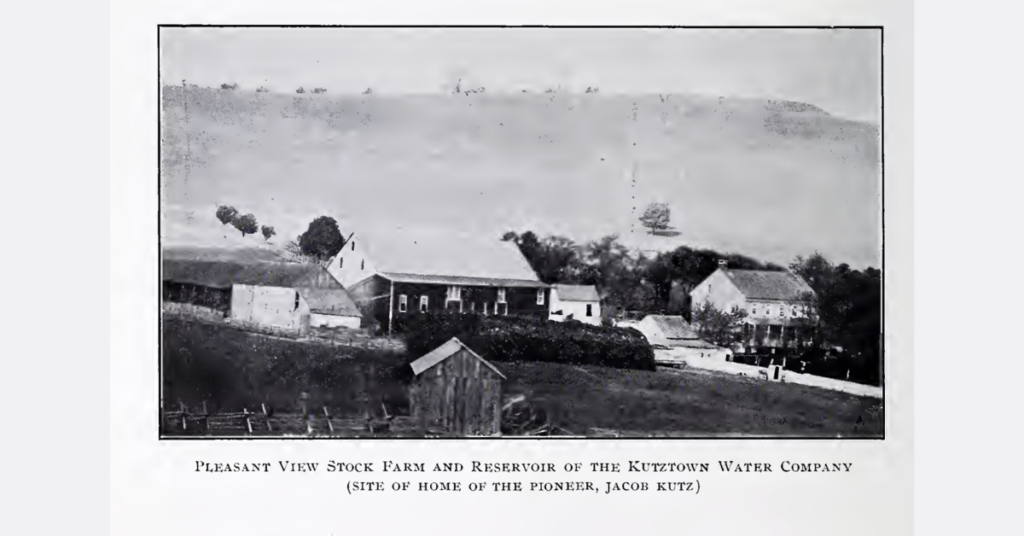
By the 1600s, the region that will become Kutztown is no longer defined only by Native systems. It becomes a space of overlap—where different ways of living, organizing land, and understanding power begin to collide.
Trade evolves into structural influence, as European materials and relationships reshape local economies. Native communities face pressure from multiple directions—disease, shifting alliances, and expanding colonial claims.
This tension becomes especially clear in land agreements. In 1732, land in the Maxatawny area is transferred from Lenape leaders—including Sassoonan, a sachem of the Schuylkill region—to the Penn family. While recorded as a formal transaction, such agreements often reflect unequal power dynamics and differing understandings of land ownership.
Just a few years later, the Walking Purchase further accelerates displacement, as Lenape communities lose large portions of land under disputed and deceptive terms.
By the early 1700s, many Lenape communities are increasingly pushed westward or reorganized under pressure. The region is no longer fully Native or fully European—it is a landscape in transition.