
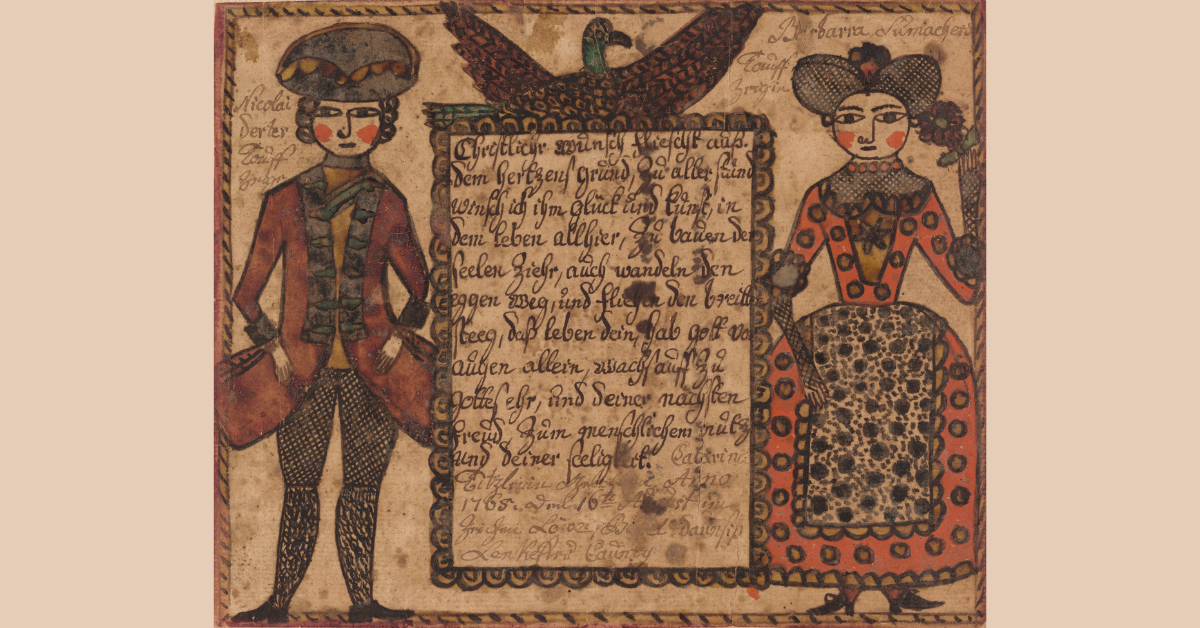
By the late 1600s and early 1700s, the repeated destruction of the Palatinate has created a new reality. For many people, staying is no longer the safest or most stable option. Instead of rebuilding again, they leave.
Early Migration (late 1600s)
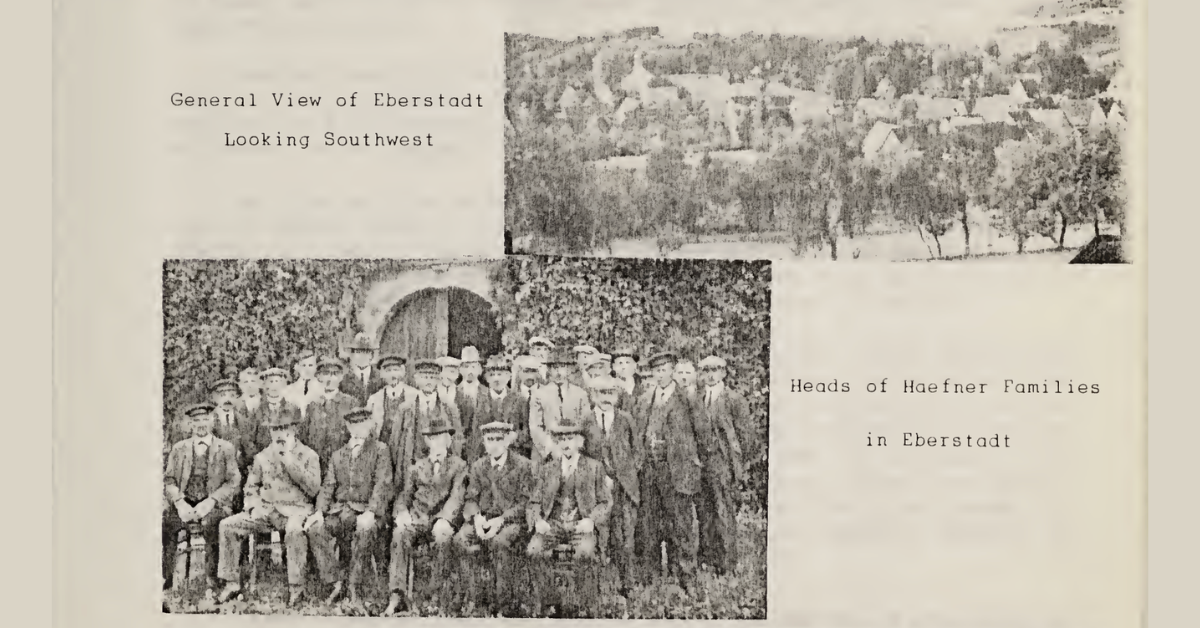
The first sustained migrations begin in the late 1600s, even before the largest waves. These early migrants are often Anabaptist groups (Mennonites and later Amish), and their motivations are specific:
- Religious persecution
- Pressure from both Catholic and Protestant authorities
- The desire to practice faith independently
Mass Migration (late 1600s – early 1700s)
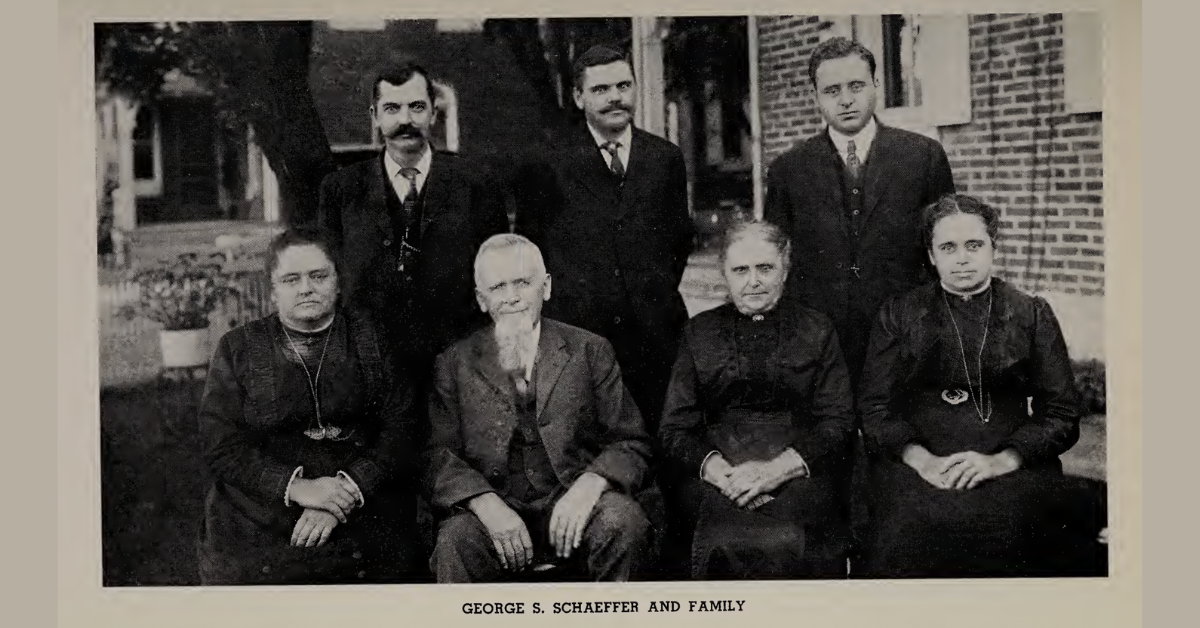
After the devastation of the Nine Years’ War (1688–1697), migration expands dramatically. Beginning in the late 1600s, and accelerating in the early 1700s, families leave villages along the Rhine.
Entire communities begin to relocate, and movement becomes a shared, collective process. These migrants are not a single group—they include:
- Lutherans
- Reformed (Calvinists)
- Anabaptist groups (including Mennonites and later Amish)
What unites them is not one belief: it is a shared experience of instability, war, and uncertainty.
The Rhine as a Migration Route
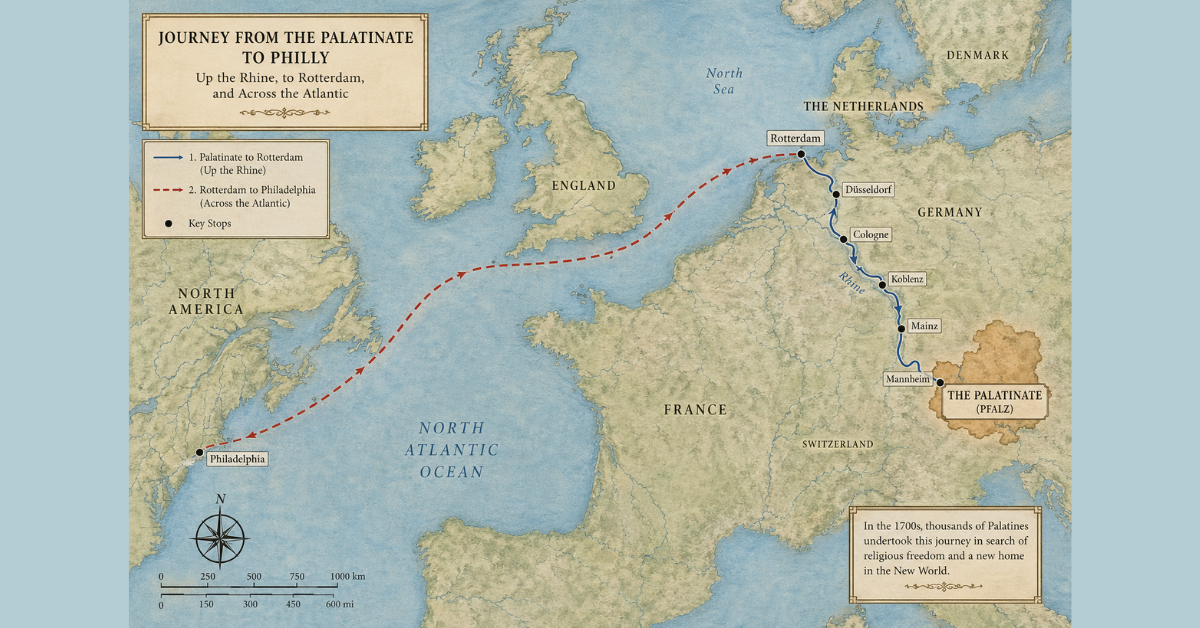
The same river that once brought trade and armies now becomes a path out. Migrants travel down the Rhine River, through a network of towns and cities, and toward ports in the Netherlands. This journey is not easy:
- Travel is crowded and expensive
- Disease spreads easily
- Many arrive with few resources
Most migrants leave from Dutch ports such as Rotterdam. From there, they board ships bound for North America, and endure long and difficult Atlantic crossings. The journey can take weeks or months, and conditions are often harsh.
Arrival in Pennsylvania
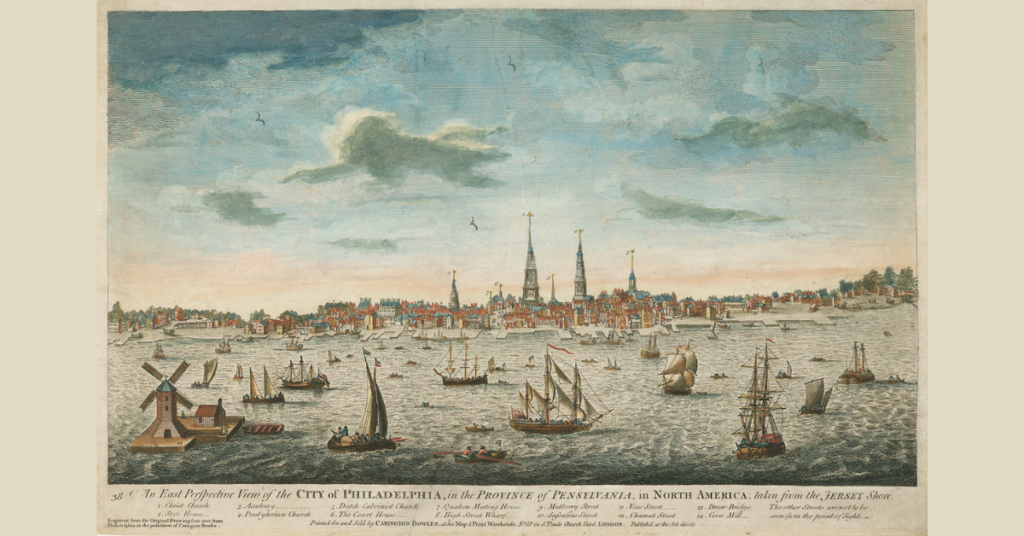

Many of these migrants arrive in the British colony of Pennsylvania. This is not accidental. Pennsylvania offers:
- Religious tolerance
- Available land
- Relative political stability
It had been founded by William Penn, whose policies encourage settlement by religious minorities. For migrants from the Palatinate, Pennsylvania represents a place to rebuild without constant disruption.
After arriving in Philadelphia, migrants move inland, settle in rural areas, and form farming communities. Regions like Berks County and the area around Kutztown become centers of settlement.
Over time, these migrants come to be known as Pennsylvania Dutch (from Deutsch, meaning German). Importantly, this is not a single, uniform group—but a collection of people shaped by shared history.