
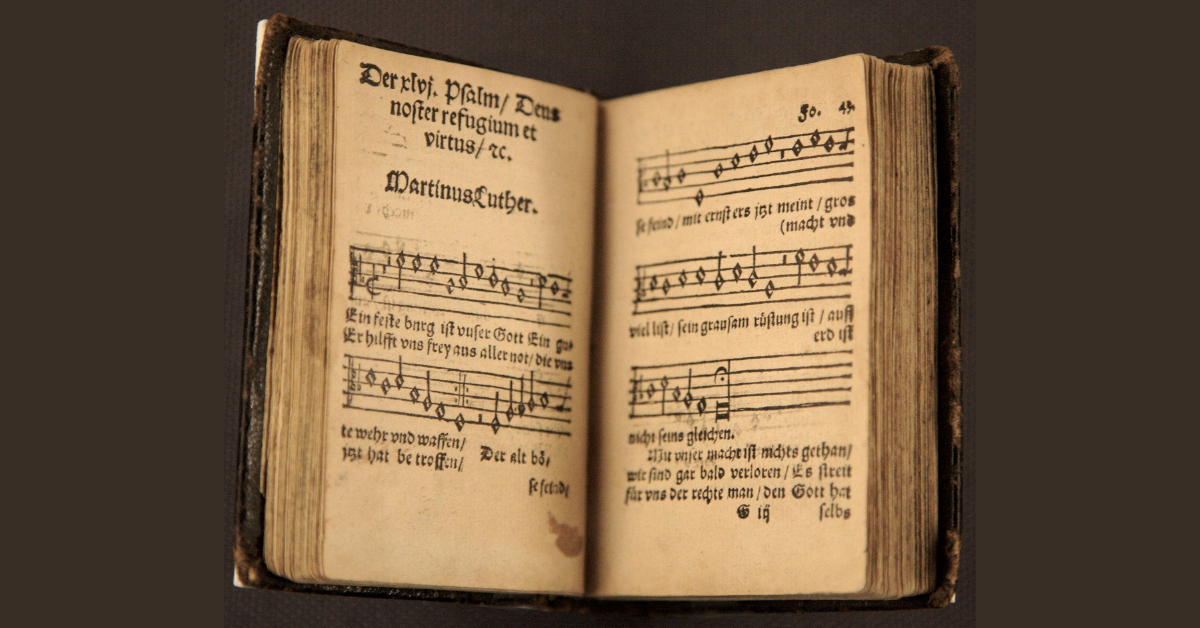
By the early 1500s, the world of the Rhine—including the Palatinate—is intellectually active, economically connected, and increasingly literate. Universities are producing scholars, printing presses are spreading ideas, and religious life remains central to everyday experience.
But beneath this stability, a deeper tension is building—one that begins not in politics, but in personal crisis.
Luther’s Early Life and Crisis
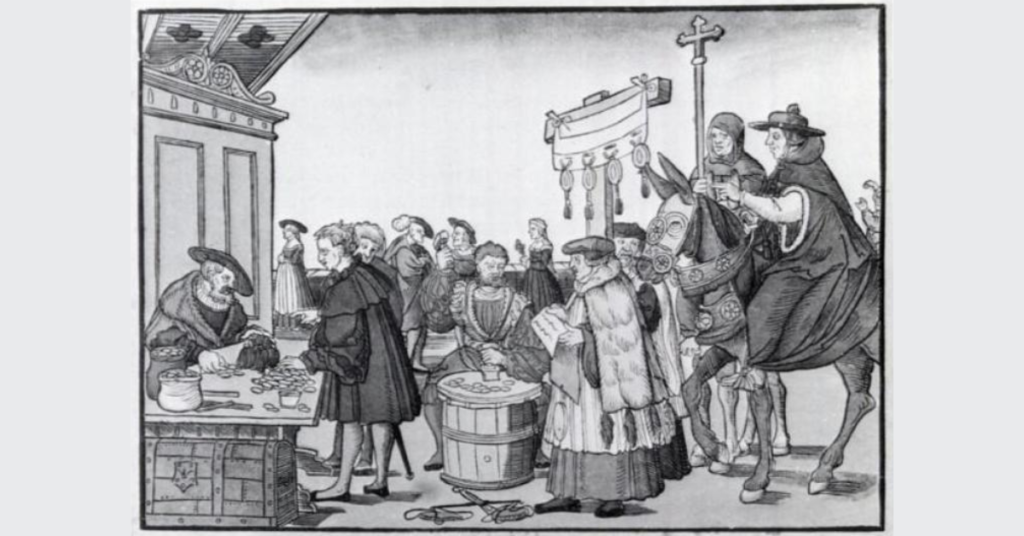

Martin Luther is born in 1483 in the German lands of the Holy Roman Empire. He enters the Church and becomes a monk, but struggles deeply with his faith. At the time, the Church teaches:
- Salvation comes through faith and good works
- The Church plays a key role in administering grace
- Rituals, confession, and penance are necessary
But Luther experiences intense anxiety:
- He fears he can never be “good enough”
- He feels trapped in a cycle of guilt and confession
- He cannot find certainty in the system
The “Tower Experience”
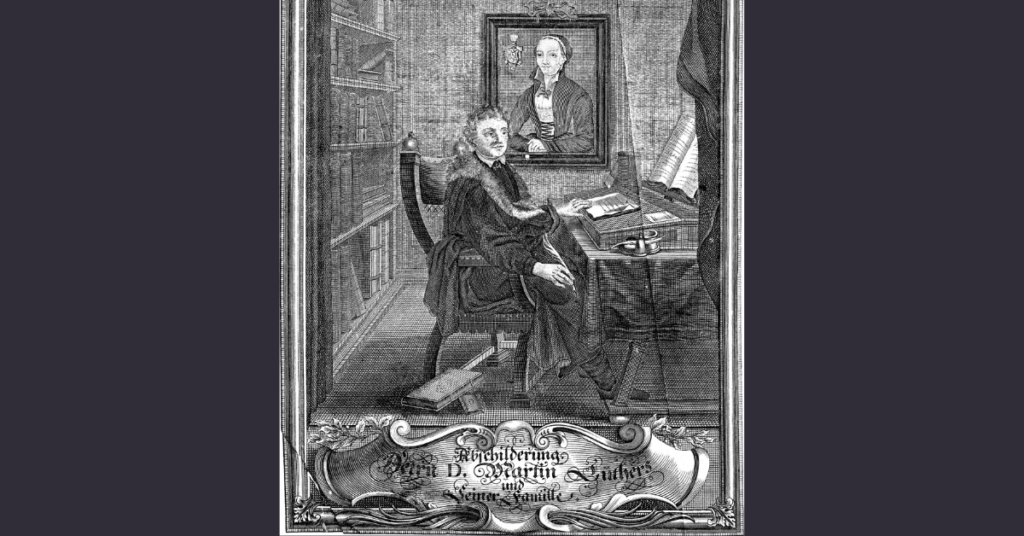

Around 1510s, Luther undergoes what is often called his “tower experience.” While studying the Bible—especially the writings of Paul—he arrives at a breakthrough: salvation comes through faith alone, not through works or Church mediation. This idea transforms everything:
- Righteousness is given by God, not earned
- The individual’s relationship with God becomes central
- The Church is no longer the sole gatekeeper of salvation
It is a shift from institutional religion to personal faith.
The 95 Theses (1517)
.jpg)
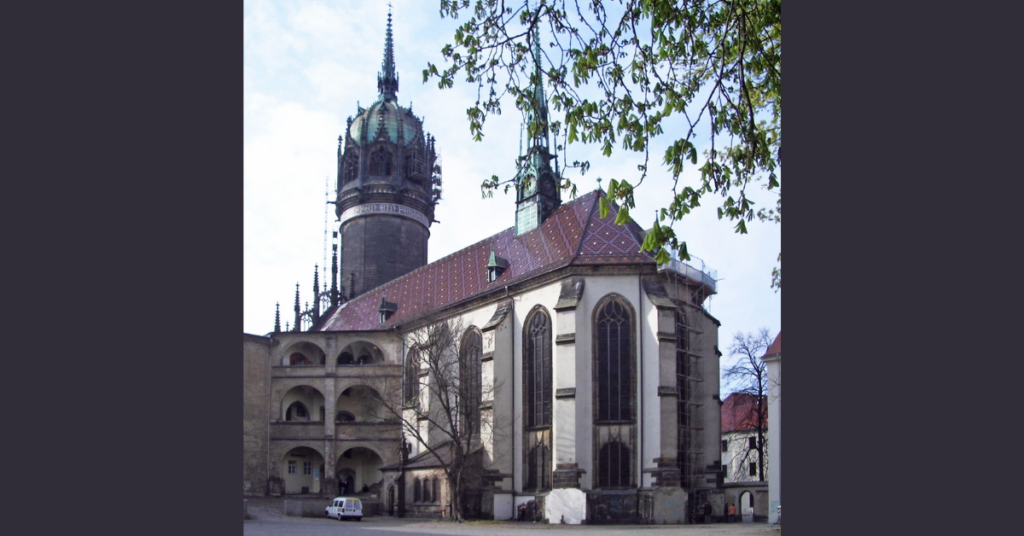
In 1517, Luther publicly challenges Church practices by publishing his 95 Theses. They focus especially on:
- The sale of indulgences (paying for reduction of punishment for sin)
- The misuse of religious authority
- The gap between doctrine and practice
Originally, this is meant as an academic debate. But because of the printing press—developed in nearby Mainz—Luther’s ideas spread rapidly. They are:
- Printed and distributed as pamphlets
- Translated into German
- Read by clergy, scholars, and ordinary people
For the first time, religious ideas move beyond the Church and into the public sphere.
Diet of Worms (1521) and Fallout
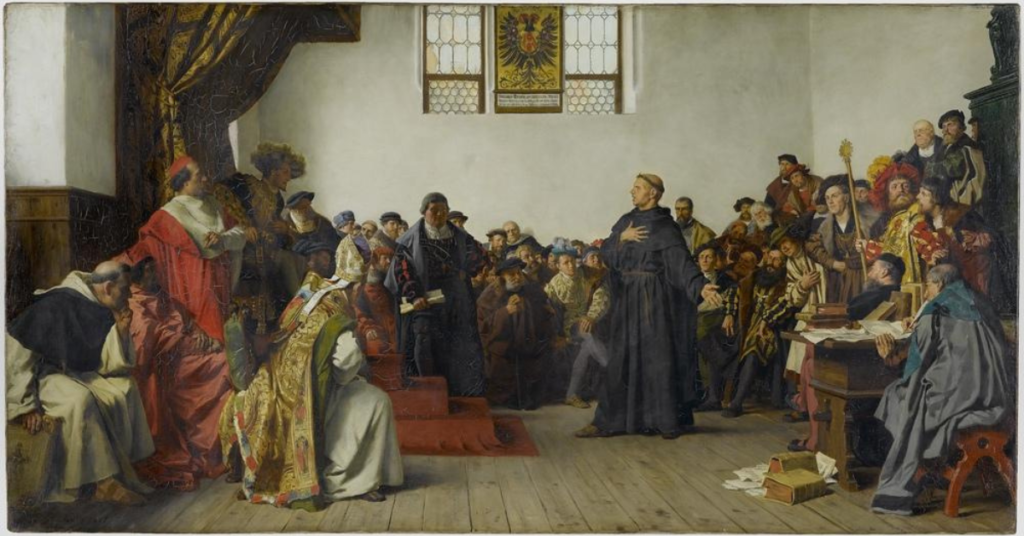

In 1521, Luther is summoned before the emperor at the Diet of Worms, an imperial assembly where political and religious matters are decided. He is ordered to recant his writings, but refuses.
Luther openly defies both the Church and the emperor. As a result, he is declared an outlaw. His writings are banned, and anyone can legally arrest him.
Despite this, Luther does not disappear. He is protected by Frederick the Wise, one of the most powerful princes in the Holy Roman Empire. Frederick shelters Luther in secret, prevents his arrest, and ensures his ideas can continue to develop. The Reformation survives because it is protected by political power.
Importantly, Frederick’s support is not purely theological. He is also motivated by:
- A belief in fair legal process
- A desire to protect his territory’s autonomy
- Resistance to outside interference from Rome
The Bible in German
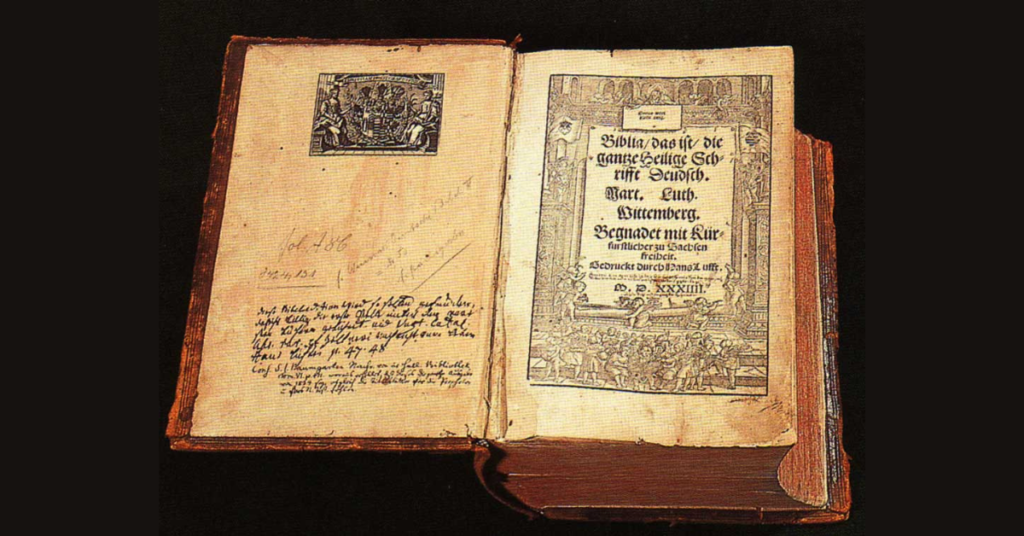

While in hiding, Luther completes one of his most important works: the translation of the Bible into German. This has enormous consequences:
- Ordinary people can read scripture directly
- Religious authority becomes decentralized
- Language and faith become closely connected
Over the next decades, Luther’s ideas spread across the German lands. Different regions begin to respond in different ways:
- Some rulers adopt Lutheran reforms
- Others remain loyal to the Catholic Church
- Some attempt to balance both sides
Augsburg Confession (1530)
.jpg)
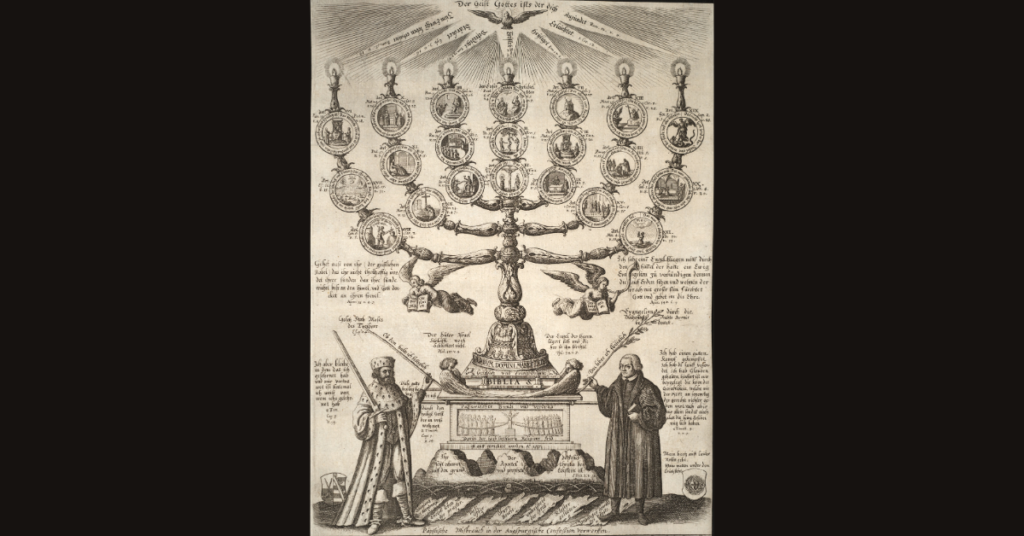
By 1530, the Reformation is no longer just a set of ideas—it has become a widespread religious movement with political backing. To clarify and defend their beliefs, Lutheran leaders present a formal statement known as the Augsburg Confession.
It is written primarily by Philipp Melanchthon, a close collaborator of Luther. The Confession outlines key Lutheran beliefs:
- Salvation comes through faith alone
- The Bible is the highest authority
- The Church should be reformed, not abandoned entirely
This is a major shift: Luther’s ideas are now a defined religious system. After 1530, Lutheranism becomes more structured and unified. Churches begin adopting standardized practices, and rulers can more clearly align with or against reform.
Luther’s Final Years
.jpg)
The Augsburg Confession makes the divide within the Holy Roman Empire impossible to ignore. Territories begin to fall into clearer camps:
- Lutheran regions adopt reform officially
- Catholic regions resist and reinforce tradition
The emperor, Charles V, attempts to maintain unity but faces growing resistance. In the years following the Confession:
- Lutheran rulers form defensive alliances
- Catholic authorities push back against reform
- Tensions rise across the empire
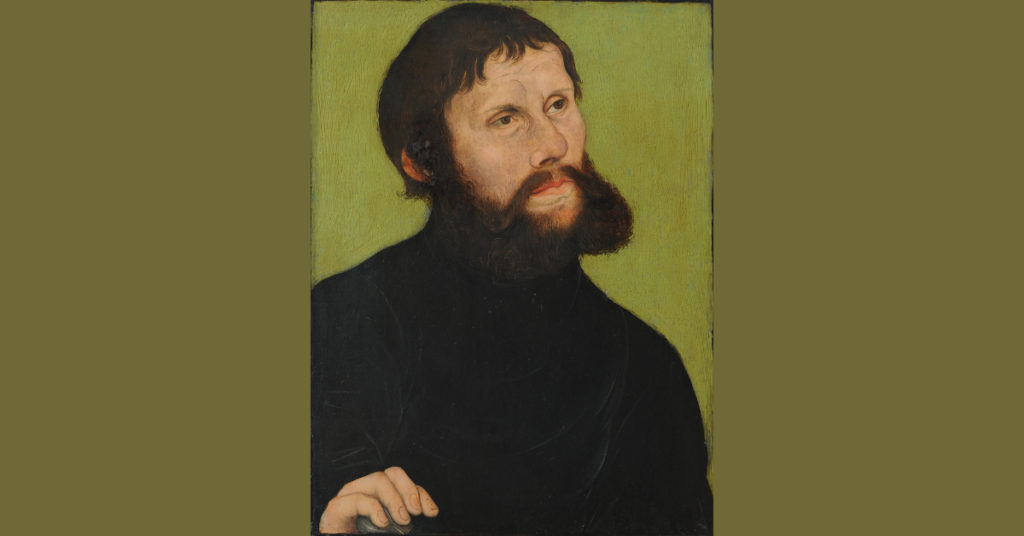
Luther continues to write, preach, and influence the movement until his death in 1546. By this point:
- His ideas have spread across large parts of the German world
- Lutheran churches are established
- The unity of Western Christianity has been permanently broken