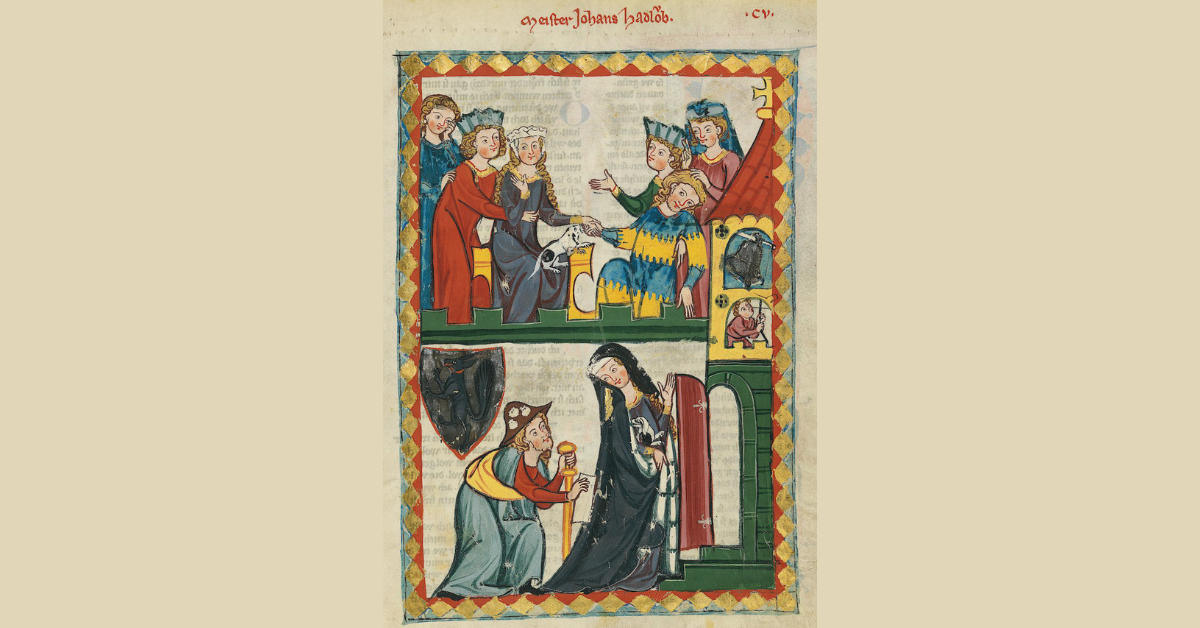
In 1214 CE, control of the Palatinate is granted to the Wittelsbach dynasty. This marks the beginning of a new phase in the region’s history. What had once been an imperial office is now a hereditary territory, controlled by a single ruling family.
The Wittelsbach Network

.png)
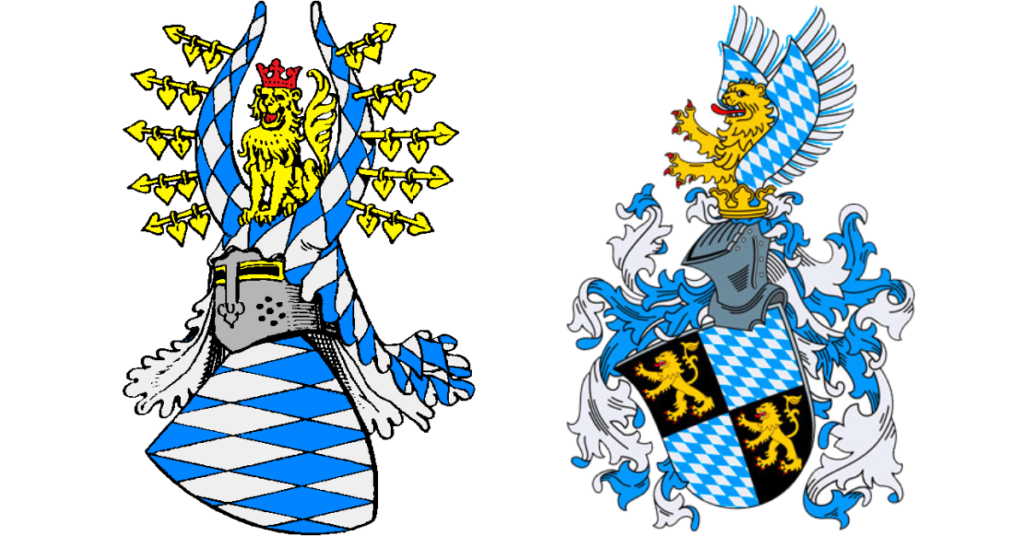
The Wittelsbachs are not just local rulers—they are part of a broader noble network. They:
- Also control Bavaria
- Hold influence across multiple regions
- Expand their power through inheritance and alliances
This leads to an important development: their territories begin to split into different branches of the family. This fragmentation will shape the future of the Palatinate, as different lines of the Wittelsbachs rule different regions.
By the 1300s, the Palatinate is one of the most powerful states in the empire, a key political player, and closely tied to imperial decision-making.
The Golden Bull of 1356
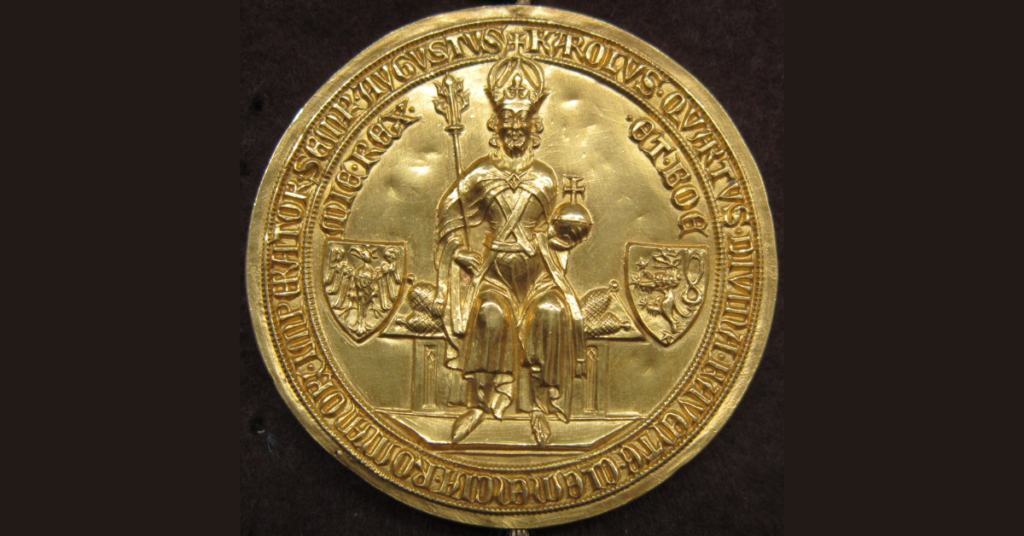

In 1356, the Golden Bull of 1356 formally establishes the system for electing the emperor. It names a small group of rulers as Prince-Electors, including The Count Palatine of the Rhine. This means The Palatinate is now an Electorate:
- The ruler of the Palatinate has the right to elect the emperor
- The territory is officially recognized as one of the most important in the empire
The Palatinate is now an Electorate. After 1356, it becomes one of the political centers of the Holy Roman Empire.
During this period, the Palatinate begins to develop a cultural and intellectual identity. In 1386, the Heidelberg University is founded. This is significant because:
- It becomes one of the oldest universities in Germany
- It attracts scholars, clergy, and administrators
- It connects the Palatinate to broader intellectual movements in Europe
The Wittelsbach Branches
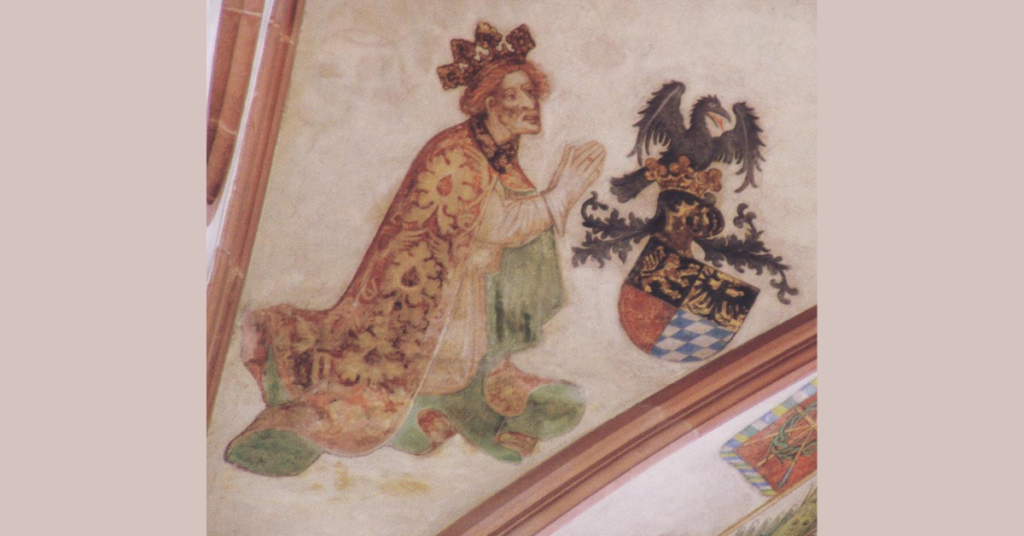

As the Wittelsbach dynasty continues to rule, their lands begin to divide. This follows a familiar medieval pattern. Over time, this leads to the formation of multiple Palatine lines, including:
- Palatinate-Simmern
- Palatinate-Neuburg
- Palatinate-Sulzbach
These are not different cultures or ethnicities—they are different ruling branches of the same family controlling different territories within the broader Palatinate sphere. This creates a fragmented but connected system: One dynasty—multiple political centers.
Mainz and the Printing Revolution
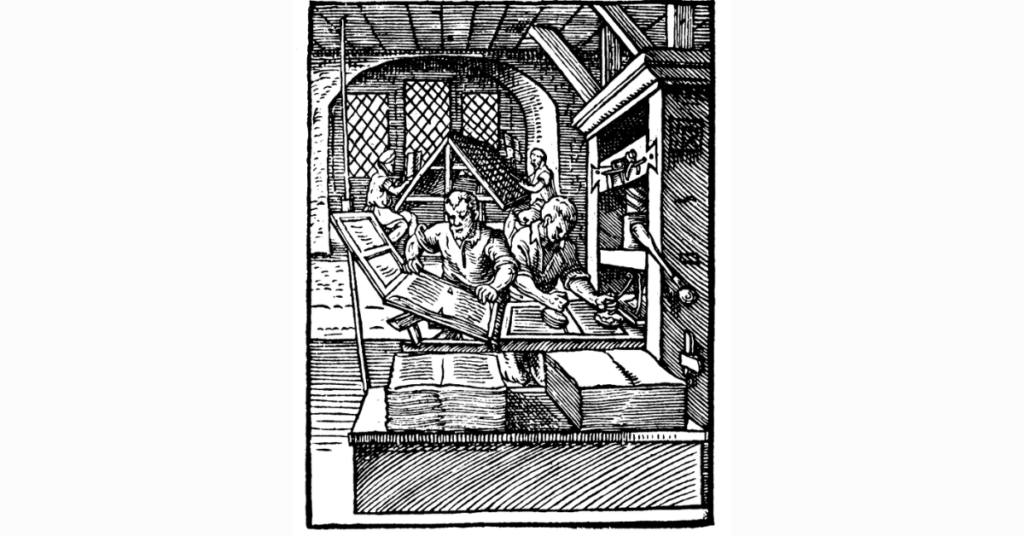

Around 1440–1450, Johannes Gutenberg develops the movable-type printing press in Mainz. This innovation:
- Makes books faster and cheaper to produce
- Expands access to written knowledge
- Allows ideas to spread rapidly across regions
This is a turning point not just for the Palatinate, but for Europe: the Rhine becomes a highway not just for trade—but for ideas. By the mid-1400s, the Palatinate is a major political power. At the same time:
- Literacy is increasing
- Religious ideas are circulating more widely
- Intellectual life is expanding
The Rise of the Habsburgs
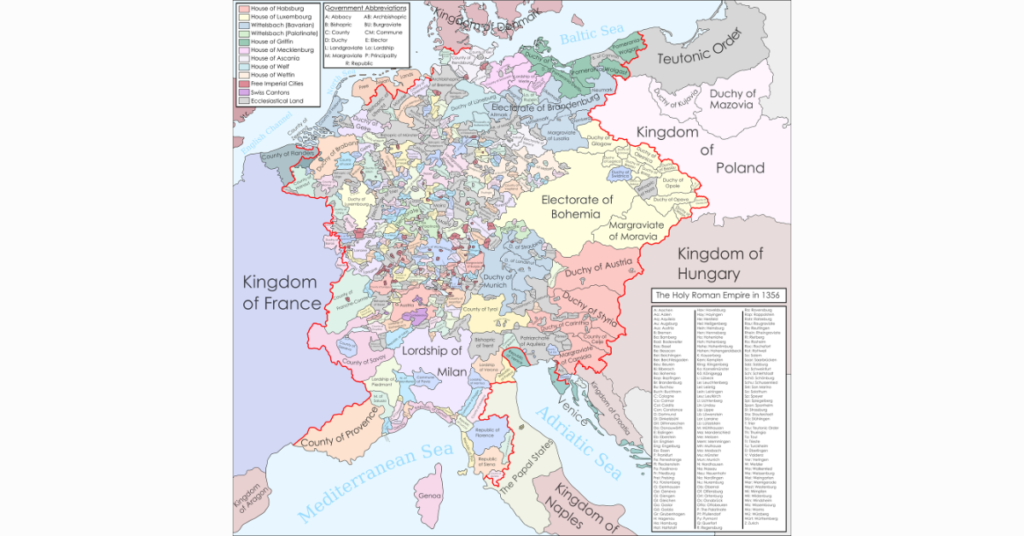

By the mid-1400s, another major shift is taking place within the Holy Roman Empire. A powerful ruling family begins to dominate the imperial throne: House of Habsburg. Originally a regional noble family from the Austrian region, the Habsburgs expand their power through strategic marriages, political alliances, and the inheritance of key territories.
They build power less through conquest and more through consolidation. Beginning in the 1400s, the Habsburgs secure repeated election as Holy Roman Emperors. By 1438, they establish near-continuous control of the imperial title. While the empire remains decentralized, the imperial office is increasingly controlled by one family.
The Habsburgs are also strongly aligned with the Catholic Church. As emperors, they aim to maintain religious unity across the empire and support Catholic institutions. At the same time:
- Regional rulers (like the Wittelsbach Palatinate) maintain autonomy
- Local identities and political power remain strong
- The emperor cannot fully control religious or regional developments