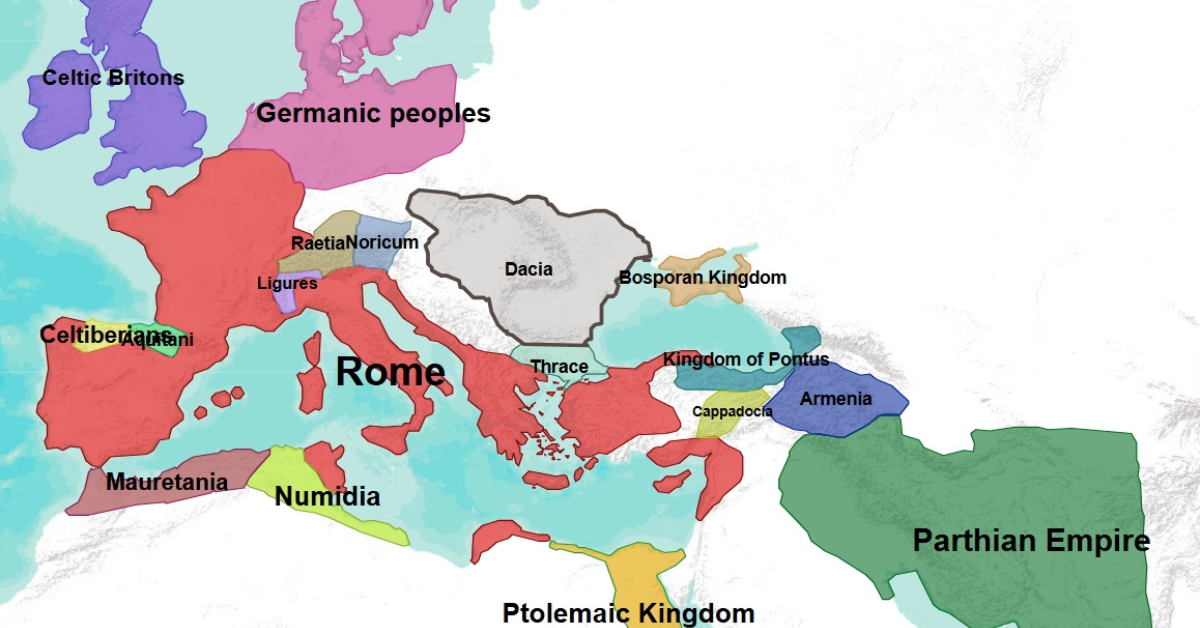
As Europe becomes more settled, distinct cultures begin to take shape. By around 1000 BCE, the continent is no longer just a mix of early farmers and migrants—it’s a patchwork of emerging civilizations. Three major cultural groups dominate Western and Central Europe.
Celtic Civilizations (Gaul and Beyond)
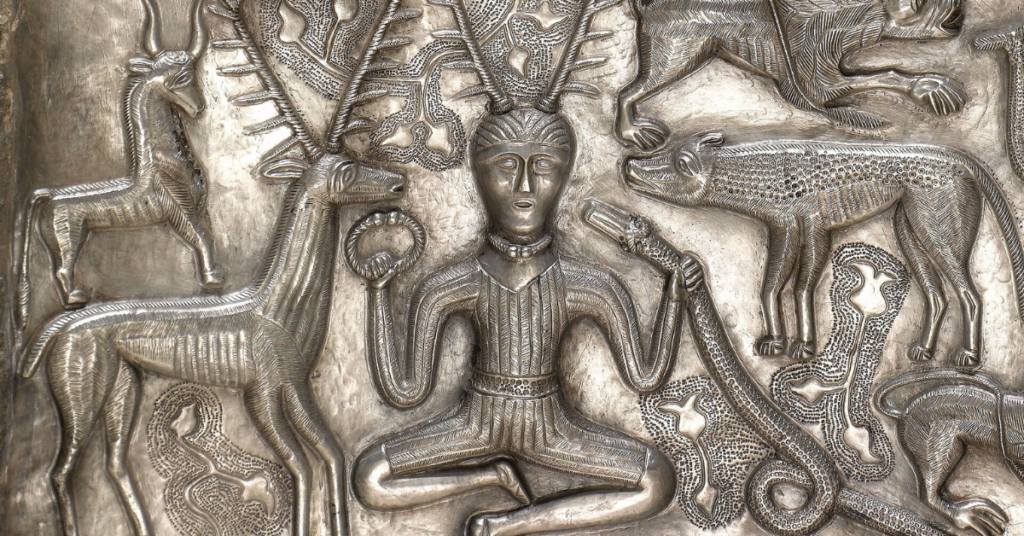
To the west, the Celtic peoples lived across much of modern:
- France (ancient Gaul)
- Belgium
- Parts of Germany
- Britain (Britannia)
They are:
- Tribal but highly organized
- Skilled in metalwork and trade
- Connected across large regions through shared language and culture
This is the world that Julius Caesar later conquers and calls Gaul.
Germanic Tribes (Central and Northern Europe)
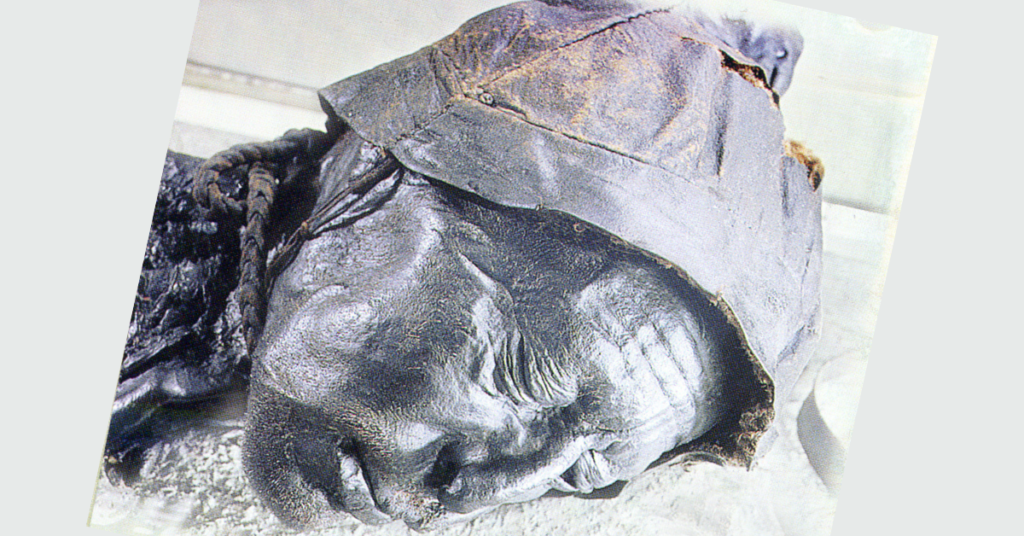
To the east and north, Germanic tribes live In forests and river valleys beyond the Rhine. These groups are:
- More decentralized
- Organized around kinship and local leadership
- Adapted to forested, less urbanized environments
Over time, these tribes develop the early cultural foundations of what will later become German identity and language
Italic Tribes (Proto-Romans)
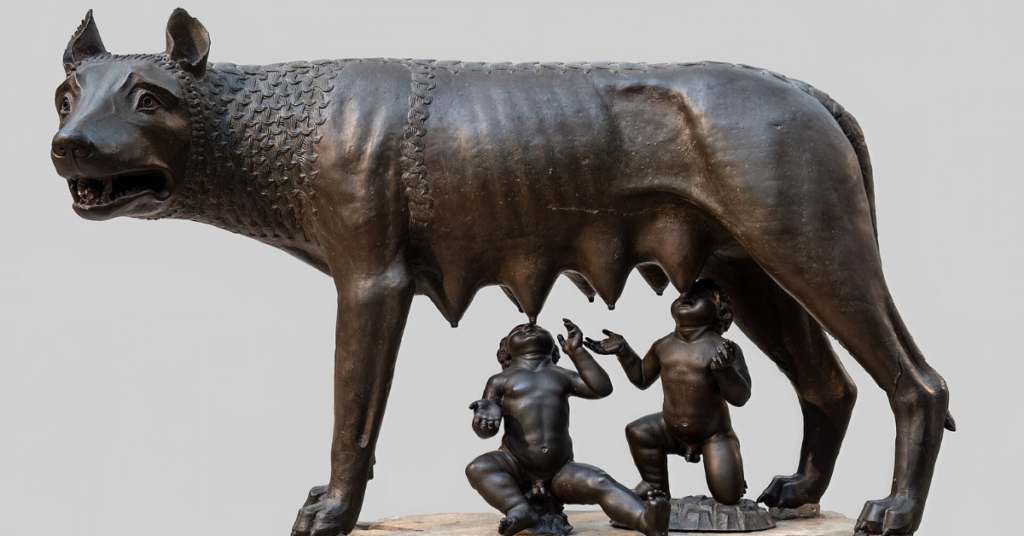
To the south, in the Italian peninsula, the Italic tribes are forming, including the early Romans. At this stage, Rome is still a small regional power, but it is rapidly organizing into something much larger.
The Palatinate: A Frontier Zone
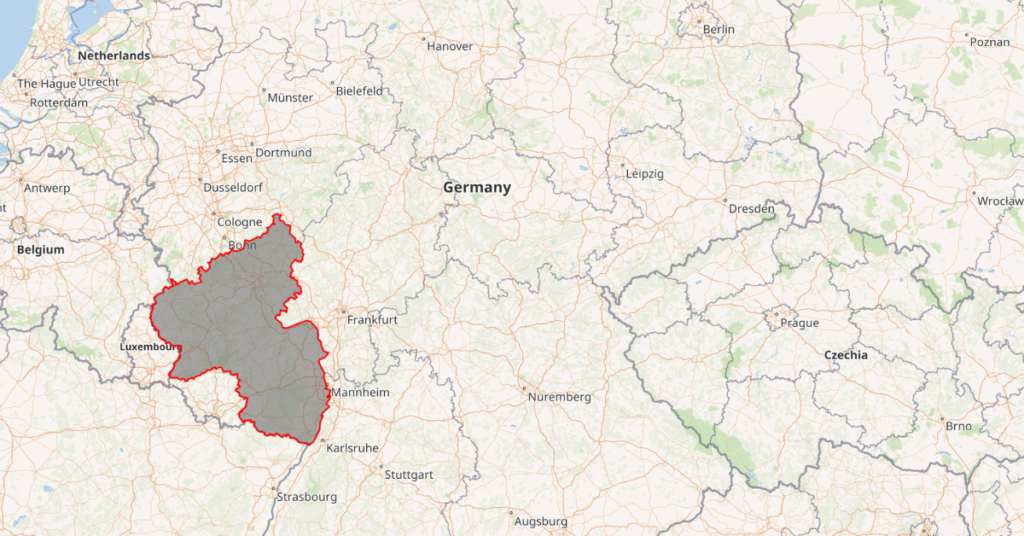
The region that will later become the Palatinate (Pfalz) sits directly along the Rhine River. This places it right on the boundary between Celtic Gaul (west) and Germanic lands (east). In practice, this means:
- People move back and forth
- Trade flows along the river
- Cultures mix over time
Unlike modern borders, these boundaries are fluid and constantly shifting. There are no passports, fixed national identities, or strict borders. Instead, identity is local, tribal, and constantly evolving.
So even before Rome arrives, the Palatinate is already a hybrid region—not purely Celtic or purely Germanic.