
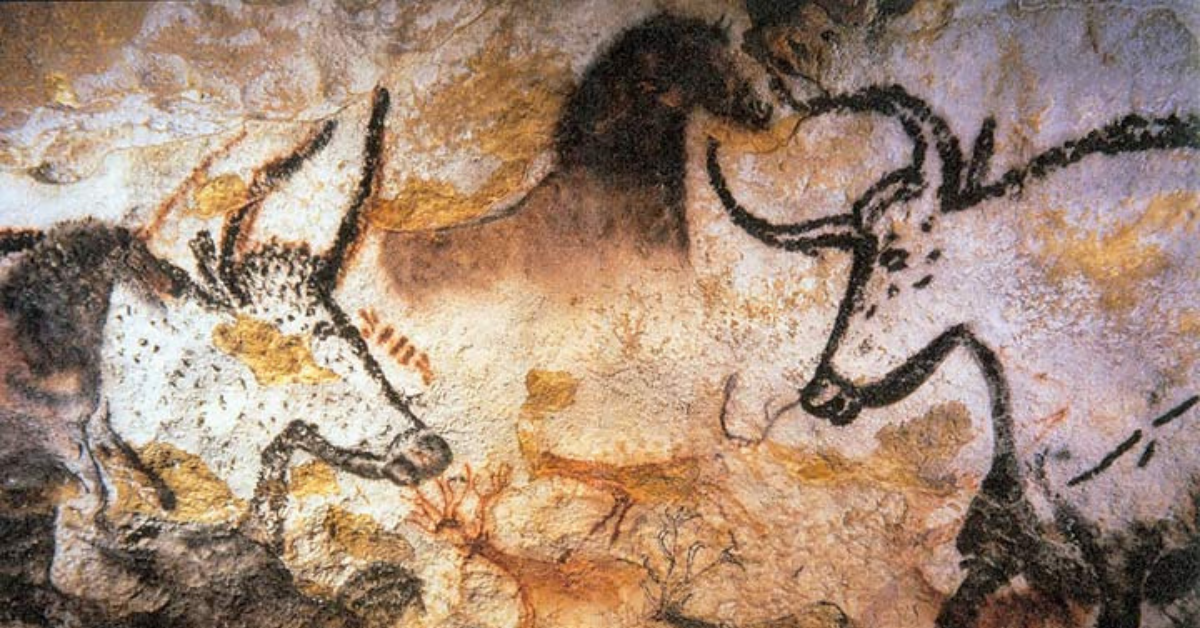
The story of the Pennsylvania Dutch doesn’t begin in Pennsylvania—or even in Germany. It begins with the earliest history of humanity itself.
From Africa to Europe (c. 300,000–40,000 BCE)
Modern humans (Homo sapiens) first evolve in Africa around 300,000 BCE. Over tens of thousands of years, they migrate outward—into the Middle East, Asia, and eventually Europe.
By around 40,000 BCE, humans are living across Europe as hunter-gatherers:
- Small, mobile groups
- Hunting animals and foraging plants
- Adapting to forests, rivers, and changing climates
During this time, they also encounter and sometimes intermix with Neanderthals, an earlier human species already living in Europe.
The Farming Revolution from Anatolia (c. 7000–4000 BCE)
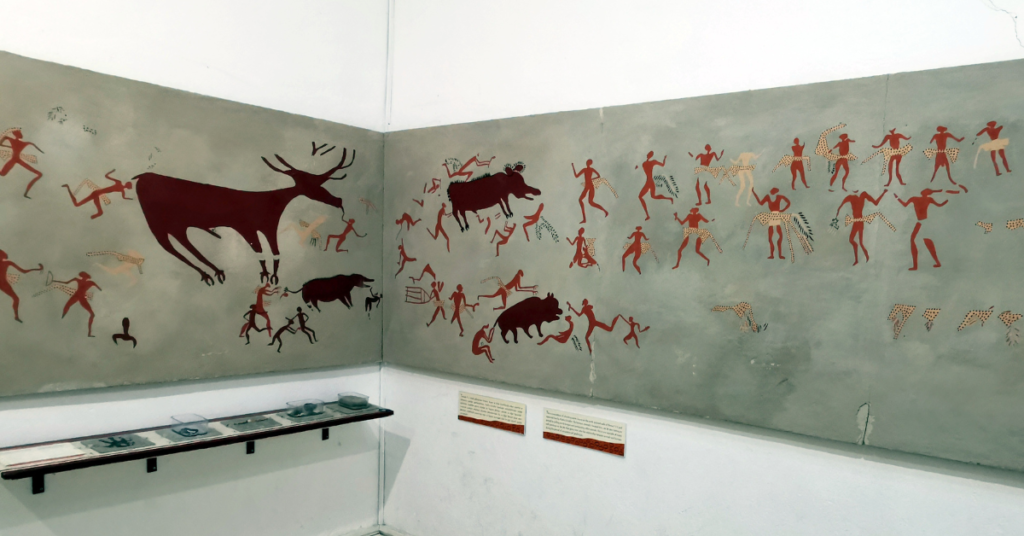

For tens of thousands of years, life remains relatively unchanged—until a major breakthrough: Farming is invented in the Near East (modern-day Turkey and surrounding regions). This region, often called Anatolia, becomes the starting point for a new way of life:
- Growing crops instead of gathering
- Domesticating animals
- Settling in permanent villages
Around 7000–6000 BCE, early farmers begin migrating into Europe. As they move in, they:
- Mix with local hunter-gatherers
- Gradually spread agriculture across the continent
- Establish more stable, organized communities
By 4000 BCE, farming is widespread across much of Europe—including the regions that will later become Germany and the Rhine Valley.
The Indo-European Migrations (c. 3000–1000 BCE)
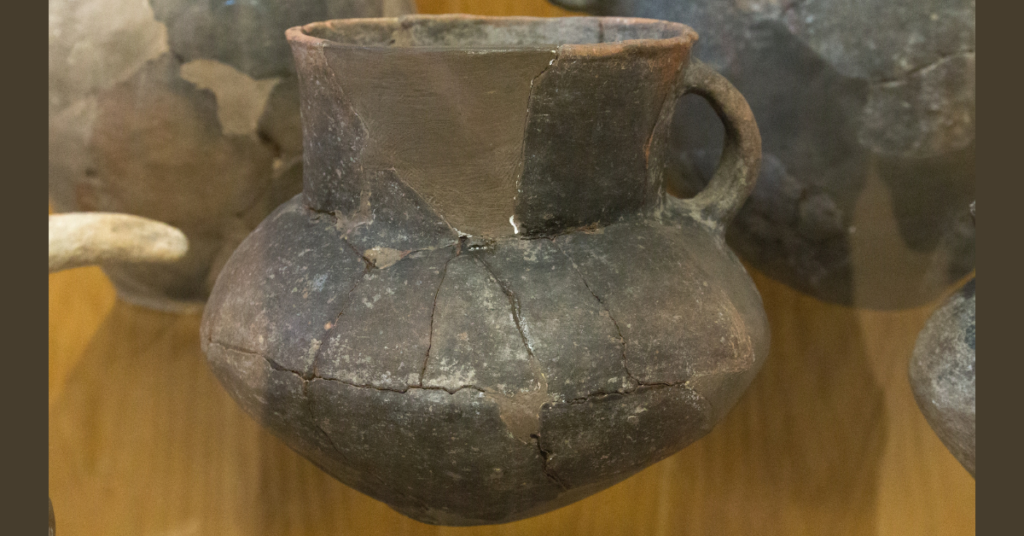

A second major wave of change comes from the Pontic-Caspian Steppe—a vast grassland region north of the Black Sea (modern Ukraine and southern Russia). These people are known as Indo-Europeans (named for the language family they spread).
Beginning around 3000 BCE, steppe populations migrate into Europe in large numbers. They bring:
- New technologies (like horseback riding and wagons)
- New social structures
- Early forms of Indo-European languages
As they spread, they mix with:
- Earlier farmers from Anatolia
- Remaining hunter-gatherer groups